Bali
Bali packs volcanoes, reefs, rice terraces and a thousand-year temple culture onto an island you can cross in a morning, if the traffic behaves. The trick is picking two or three bases rather than trying to see all of it from one hotel.
April–October lands in the southern winter for Bali: warm, sunny weather ideal for the coast; prime hiking and outdoor season with the trails and passes open; calm seas and swimmable water.
Where to base yourself
Ubud is the cultural and green heart: rice terraces, craft villages, yoga and the best restaurants on the island. It is inland, so no beach, and the centre is far busier than the retreat brochures suggest. Stay in Penestanan, Nyuh Kuning or out towards Tegallalang for the quiet version.
For the coast, Canggu is the surf, cafés and scooters crowd, Seminyak is the polished beach-club end, Uluwatu and the Bukit peninsula has the cliffs, the best surf and the most dramatic sunsets, and Sanur is the calm, shallow-water choice with families and older travellers. Kuta and Legian are the cheap party strip and are easy to skip.
A good two-week shape is Ubud, then the Bukit or Canggu, then a few nights on Nusa Penida or the Gili Islands for the water. Add Amed or Munduk if you want the version of Bali that still feels rural.
Temples, volcanoes and rice terraces
Tanah Lot and Uluwatu are the sunset temples, both spectacular and both busy; Uluwatu adds the fire-lit kecak dance on the cliff at dusk. Besakih, the mother temple on the slopes of Mount Agung, is the most important on the island. Tirta Empul is a working water temple where you can join the purification ritual, and Pura Lempuyang is the famous gate shot, with a queue of an hour or more for it.
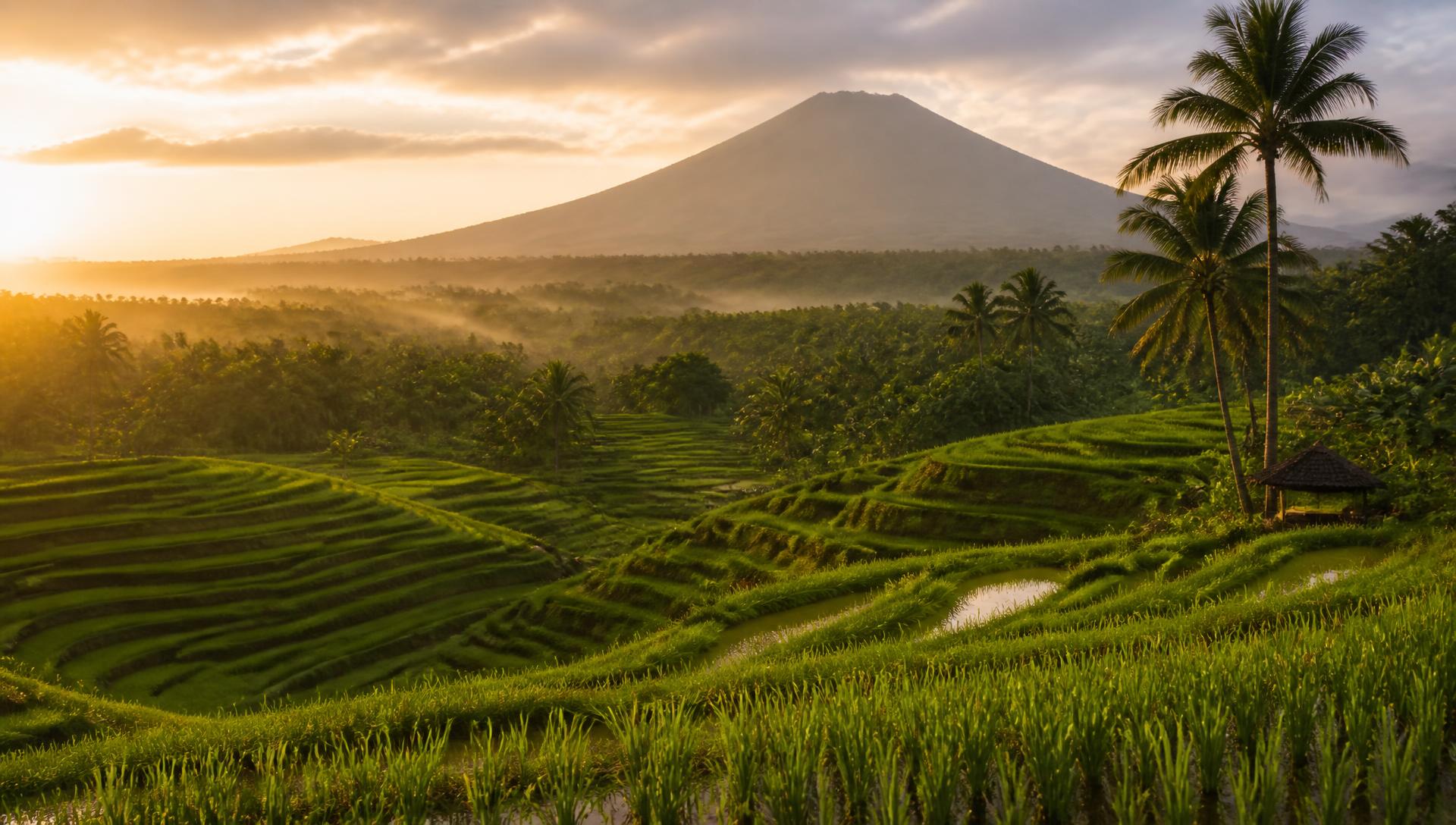
Sunrise on Mount Batur is the classic hike: a two-hour climb in the dark with a guide, and it is genuinely worth it on a clear morning. The Jatiluwih rice terraces are the UNESCO-listed, uncrowded alternative to the photogenic but small Tegallalang terraces.
Temple etiquette matters. Shoulders and knees covered, a sarong at the entrance (usually lent or rented), and no entry to the inner courtyards during ceremonies unless invited.
Water, surf and diving
Bali's own beaches are better for surfing than swimming: black sand on the north and east coasts, strong currents on the west. Beginners learn at Kuta or Batu Bolong; experienced surfers head for Uluwatu, Padang Padang and Bingin.
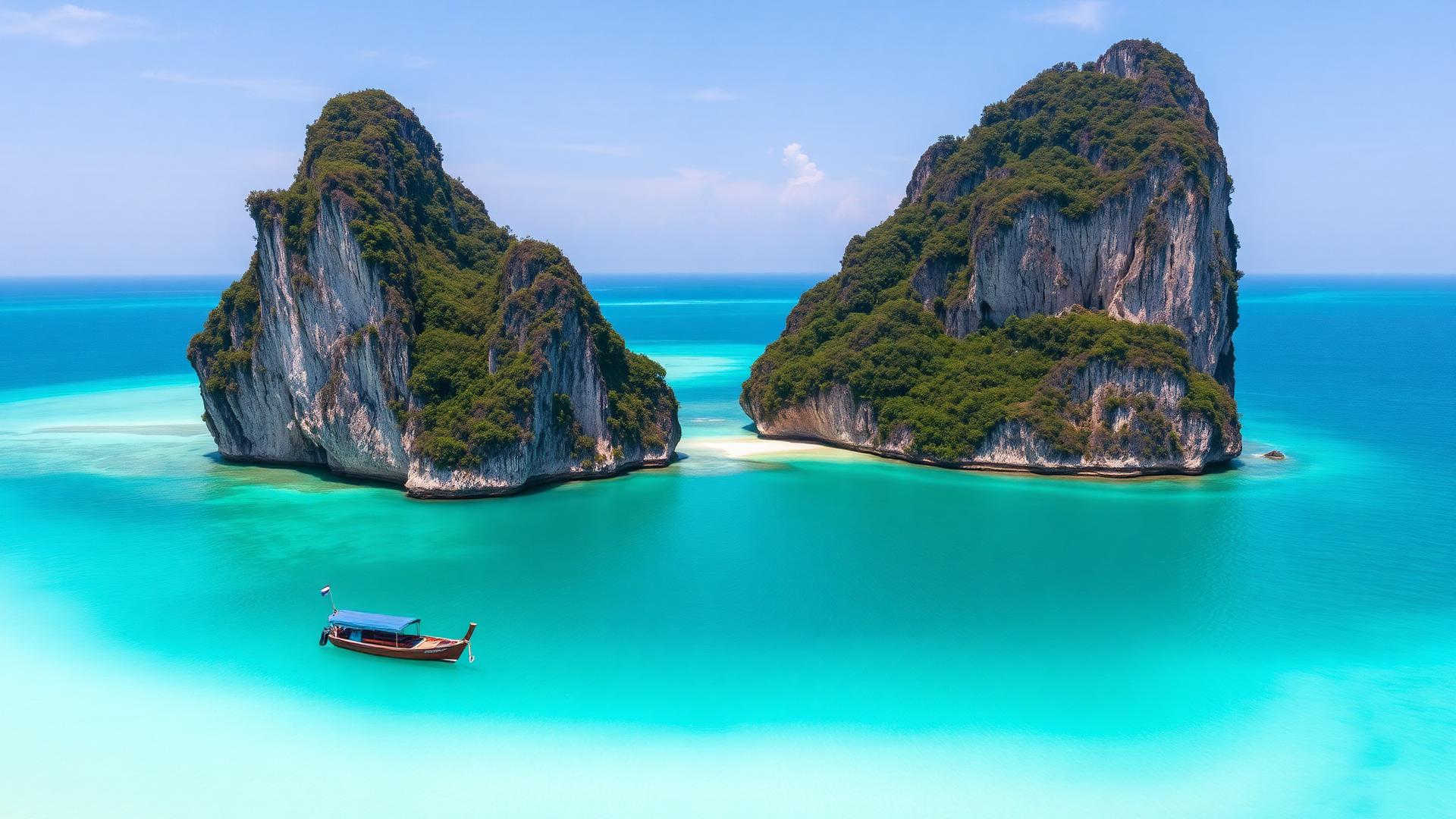
The clear water is offshore. Nusa Penida has the cinematic cliffs at Kelingking and manta rays at Manta Point. Amed and Tulamben on the east coast have easy shore diving, including the USAT Liberty wreck. The Gili Islands off Lombok are the flat, turquoise, no-cars stop most people bolt onto the end of a trip.
Eating
Eat at a warung at least once a day. Nasi campur, a plate of rice with a rotating handful of sides, costs a couple of euros and is usually the best food you will have. Look for babi guling (suckling pig) around Ubud, bebek betutu (slow-cooked duck, often ordered a day ahead) and sate lilit, minced fish satay wrapped on lemongrass.
Bali also has a serious modern restaurant scene, from open-kitchen Indonesian tasting menus to the plant-based cafés of Canggu and Ubud. Prices there approach European levels, which is the trade-off for the setting.
Drink bottled or filtered water, be sensible with ice outside established places, and expect a 15-21% tax and service charge added to restaurant bills.
Practicalities
Fly into Denpasar (DPS). Most nationalities get a visa on arrival, extendable once for 30 more days, and there is now a small tourist levy paid online before you land.
Traffic is the real constraint: 30 kilometres can take two hours in the south. Scooters are how locals move, but only ride one if you are experienced and hold the right licence, since insurance will not cover you otherwise. Otherwise use Grab or Gojek in the south, and hire a driver for the day (roughly €40-50) for temple and mountain trips.
April to October is the dry season, with July and August busiest. The wet season brings afternoon downpours rather than all-day rain, and much lower prices. Bali is cheap by long-haul standards: €60-120 a day for two people covers a good guesthouse, meals and transport, though the boutique end climbs fast.
Bali is also the easiest launchpad for the rest of Indonesia, with short hops to Lombok, Flores and Java.
Want to find more places like Bali?
Answer a few questions and get matched to 170+ destinations worldwide.
Find my matches