Iceland
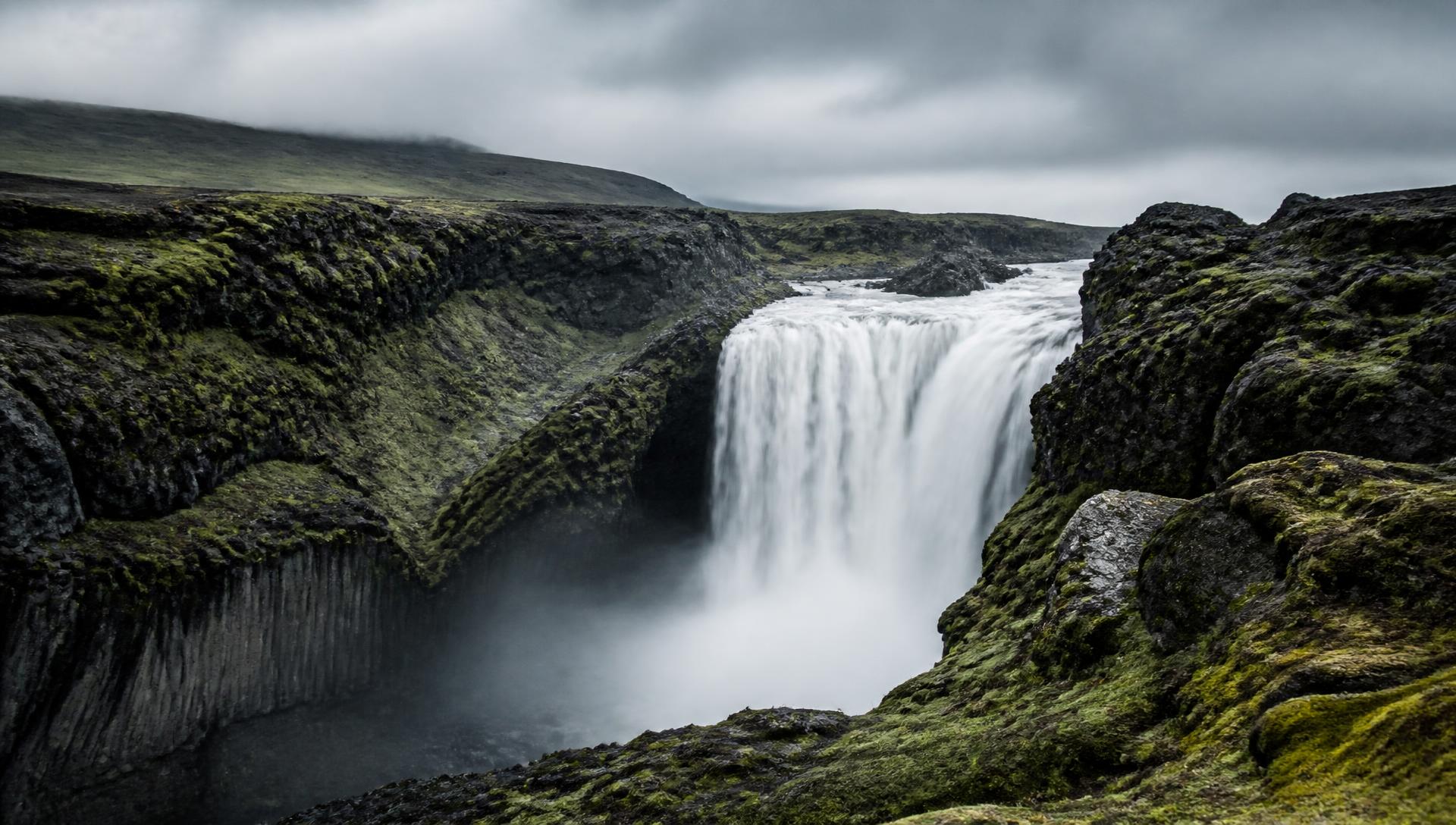
Iceland packs an implausible amount of geology into a country the size of Ireland: waterfalls every twenty minutes, glaciers spilling off volcanoes, black-sand coastlines and, in the dark half of the year, aurora overhead.
February–March and June–August are the two windows that work best for Iceland: mild, comfortable temperatures; prime hiking and outdoor season with the trails and passes open. The months in between are skipped; they're the peak-season extremes for Iceland.
Choosing your route
Three shapes of trip. The Golden Circle plus South Coast (4-5 days) is the classic short version: Þingvellir, Geysir, Gullfoss, then Seljalandsfoss, Skógafoss, Reynisfjara's black sand and the glacier lagoon at Jökulsárlón.
The Ring Road (Route 1) circles the island in 8-12 days and is the trip most people should do: it adds the fjords of the east, Mývatn's geothermal weirdness and Dettifoss in the north, and the whale-watching town of Húsavík.
The Westfjords and the highlands are the third tier: remote, gravel, and only open in high summer, but they are where Iceland stops feeling crowded. The Snæfellsnes peninsula is a superb two-day compromise, close to Reykjavík and often called 'Iceland in miniature'.
Northern lights and the dark season
Aurora needs darkness, clear skies and solar activity, which realistically means September to March. There is no aurora in June and July, the sky never gets dark. Get away from town lights, check a forecast app and the cloud map, and be prepared to stay up and wait; three or four nights out gives decent odds.
Winter travel is genuinely different: short daylight (about 4-5 hours in December), frequent road closures and real wind. It also brings ice caves in Vatnajökull, which only exist and are only safe with a guide from roughly November to March. Check road.is and vedur.is every single morning.
Hikes, glaciers and hot water
The signature multi-day trek is Laugavegur, four days from Landmannalaugar's rhyolite hills to the birch forest of Þórsmörk, hut-to-hut, July to early September. Day-hike alternatives: Fimmvörðuháls between two glaciers, the Reykjadalur hot-river valley near Hveragerði, and the steaming valleys around Mývatn.
Glacier walks and ice climbing on Sólheimajökull or Skaftafell must be guided, the crevasses are not negotiable. So are the ice caves.
For soaking, skip the Blue Lagoon if budget matters and use the local geothermal pools in every town for a few euros, or the Mývatn Nature Baths and Secret Lagoon for something in between.
Iceland is one of the best places in the world to see puffins, the island's iconic seabird. Roughly half the global population nests here between mid-May and mid-August. The easiest colonies are on Látrabjarg in the Westfjords (Europe's biggest bird cliff, birds so used to people you can get within arm's reach), the Dyrhólaey promontory near Vík, and the Snæfellsnes peninsula. Bring binoculars, keep your distance from the cliff edges, and never touch the birds or their burrows.
Driving, F-roads and safety
A 2WD is fine for the Ring Road in summer. A 4×4 is mandatory for F-roads into the highlands, which typically open late June and close in September; fording rivers in a rental without the right insurance and experience is how holidays end. Standard rental insurance frequently excludes sand-and-ash damage and door damage from wind - both are common here and worth the extra cover.
Wind is the real hazard, not snow: hold car doors with both hands, and never park facing away from the gale. Single-lane bridges, blind rises and free-roaming sheep are all normal.
Costs & when to go
Iceland is expensive. Two people should budget roughly €200-350 per day including car, fuel, guesthouses and some self-catering. The big savings: shop at Bónus or Krónan, book a car with a fridge or go camper-van, drink the tap water (it is excellent), and skip bottled drinks and premium lagoons.
June to August gives midnight sun, all roads open and the highlands: plus the crowds and the highest prices. May and September are the value sweet spot: most things open, far fewer people, and by late September the aurora is back. February–March balances aurora, ice caves and slowly returning daylight.
Want to find more places like Iceland?
Answer a few questions and get matched to 170+ destinations worldwide.
Find my matches