Andalusia
Andalusia is the Spain of the imagination. Moorish palaces, orange trees, flamenco in back rooms and tapas as a way of moving through an evening, with mountains and two coastlines thrown in.
April–June and September–October are the two windows that work best for Andalusia: warm, sunny weather ideal for the coast; prime hiking and outdoor season with the trails and passes open; calm seas and swimmable water. The months in between are skipped; they're the peak-season extremes for Andalusia.
The three cities
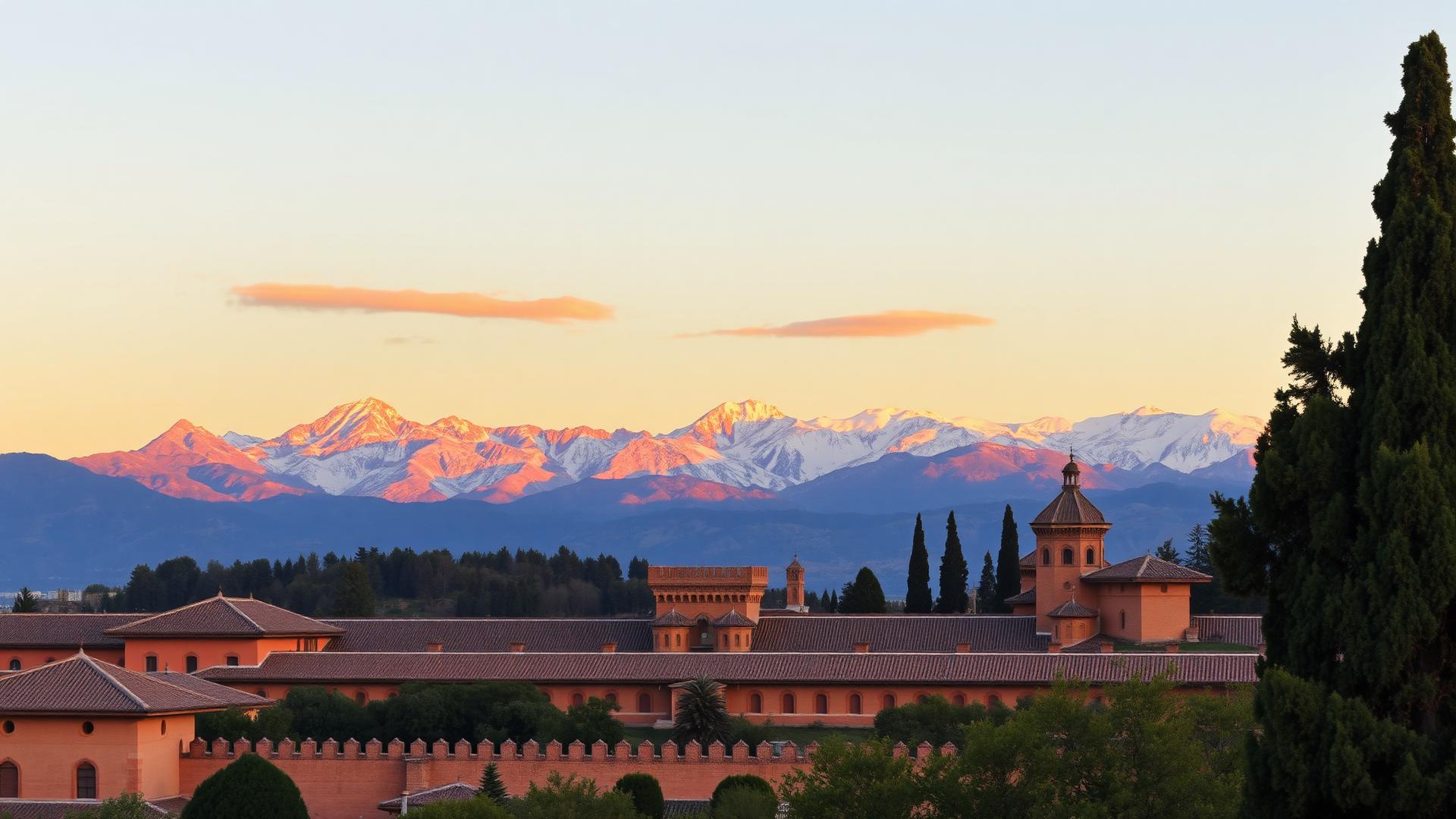
Granada has the Alhambra, the finest Islamic palace complex in Europe. Tickets are timed, capped and sell out weeks ahead: book the Nasrid Palaces slot the day they're released. Then walk the Albaicín and watch the palace turn gold from the Mirador de San Nicolás. Granada is also the last city in Spain where tapas still come free with a drink.
Seville is the most theatrical: the Real Alcázar (still a royal palace, Mudéjar at its best), the world's largest Gothic cathedral with the Giralda, the Plaza de España, and the Triana and Santa Cruz barrios. Flamenco here is a living art: choose a tablao or peña over a hotel show.
Córdoba's Mezquita, a forest of red-and-white arches with a cathedral inserted into the middle, is unlike any building anywhere. Come in May for the patio festival, when private courtyards open, filled with geraniums.
White villages, mountains and coast
The pueblos blancos run through the hills between Seville and Ronda: Zahara de la Sierra, Grazalema, Setenil de las Bodegas (built into an overhanging rock) and Ronda itself, split by a 100 m gorge. This is the best two-day drive in the region.
The Sierra Nevada above Granada is skiable into spring and, in the same week, an hour from the beach. Below it, the Alpujarras villages are terraced, Berber-derived and superb for walking.
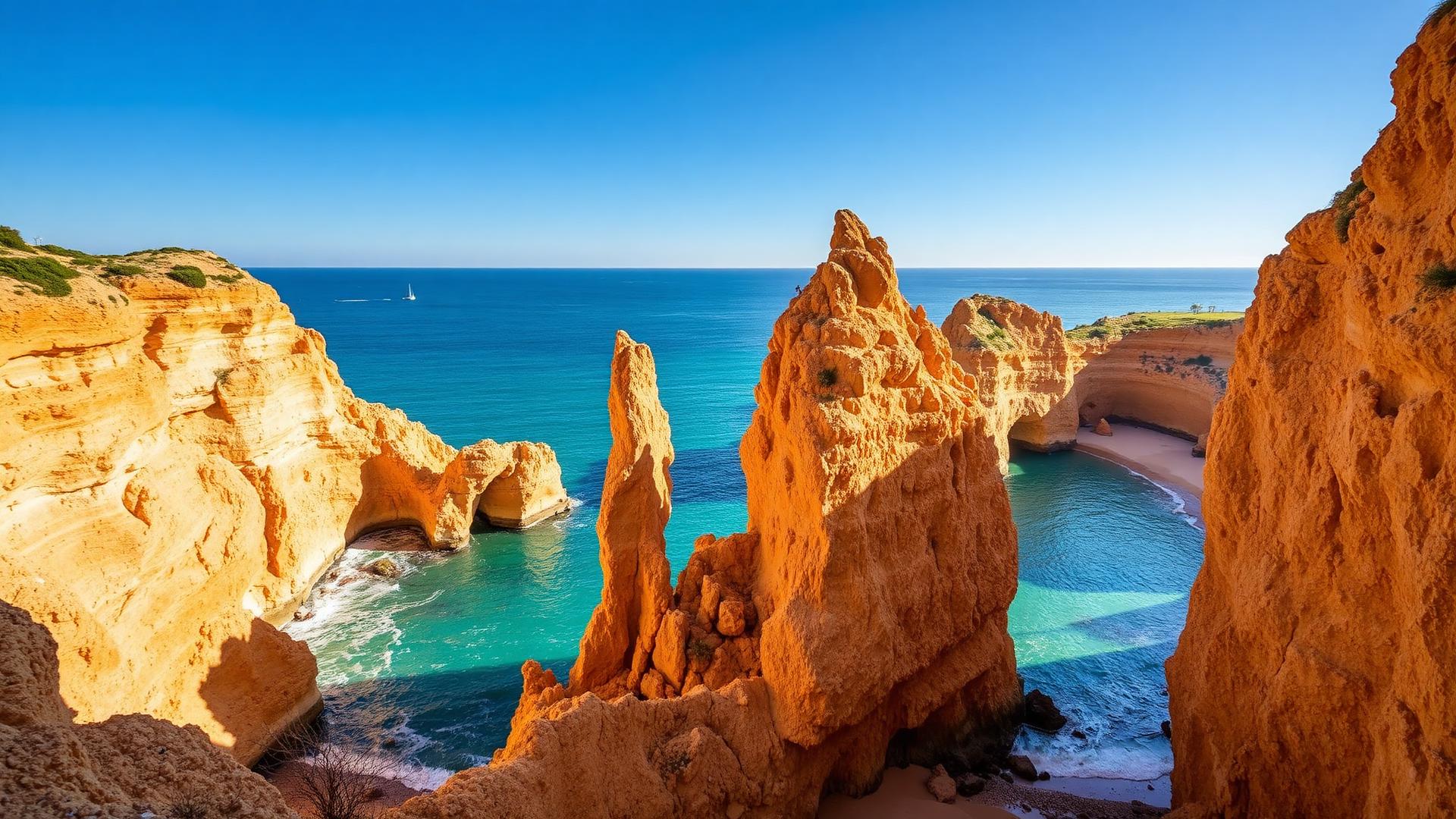
For coast, skip the Costa del Sol's built-up middle and head for Cabo de Gata in Almería, a volcanic desert park with the least developed beaches on the Spanish mainland. In the far west, Tarifa and the Costa de la Luz have Atlantic wind, kitesurfing and Morocco visible across the strait.
For a different flavour of southern Europe with the same heat and history, compare the Sicily guide.
Eating and drinking
Tapas is a rhythm, not a menu: one plate and one drink per bar, then move. Regional signatures are salmorejo and gazpacho, jamón ibérico from Jabugo, pescaíto frito on the coast, rabo de toro in Córdoba, and espeto sardines grilled on a boat-shaped fire pit in Málaga.
Drink fino and manzanilla sherry from Jerez and Sanlúcar: cold, dry and completely different to what the word suggests abroad. A bodega tour in Jerez pairs well with the equestrian school.
When to go
April–May and September–October are the seasons. Seville and Córdoba regularly pass 40 °C in July and August - inland Andalusia in high summer is genuinely punishing, and locals leave for the coast. Winter is mild, cheap and excellent for the cities.
Two dates worth planning around, or avoiding: Semana Santa (Holy Week) and Seville's Feria de Abril - spectacular, but accommodation triples in price.
Want to find more places like Andalusia?
Answer a few questions and get matched to 170+ destinations worldwide.
Find my matches