Belgium
Belgium packs medieval canal cities, Flemish master paintings, the world's most inventive beer culture and some of Europe's best food into a country you can cross in two hours by train. It rewards a slow, city-hopping trip rather than a checklist.
March–June and September–October are the two windows that work best for Belgium: warm, sunny weather ideal for the coast; calm seas and swimmable water. The months in between are skipped; they're the peak-season extremes for Belgium.
The cities, and how they differ
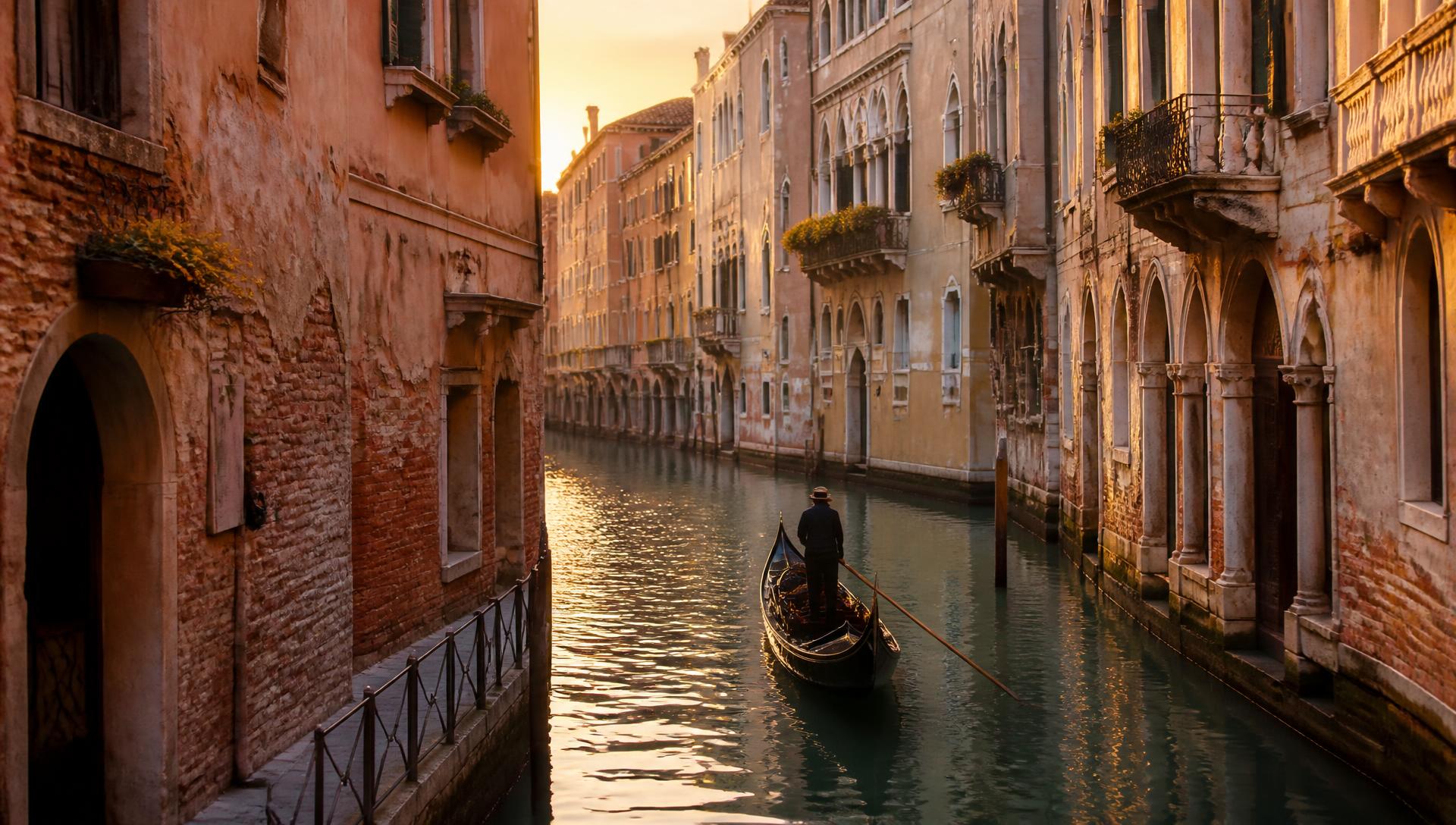
Bruges is the postcard: canals, cobbles, the Markt and the Belfry, best experienced early morning or after the day-trippers leave. Two nights is plenty, but staying overnight transforms it.
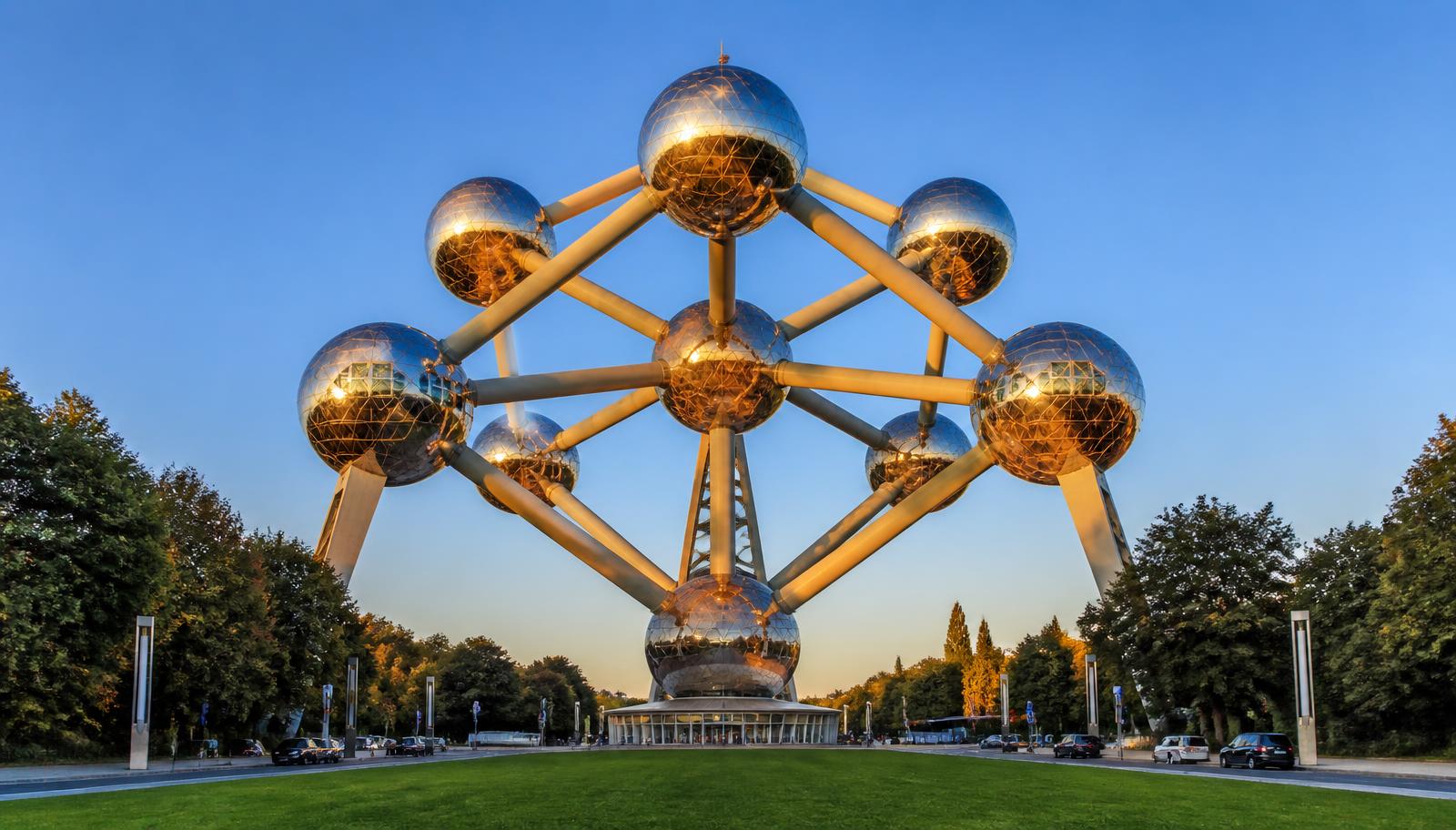
Ghent is the local favourite, the same medieval architecture with a student city's energy, a genuine bar scene and the Van Eyck Adoration of the Mystic Lamb in Saint Bavo's Cathedral. Antwerp is the design and fashion capital, with a spectacular railway station, the Rubens House and the MAS museum. Brussels rewards more than a Grand-Place photo: Art Nouveau by Horta, the Magritte Museum, comic-strip murals and neighbourhoods like Saint-Gilles and Ixelles.
Beer, chocolate and the table
Belgium's beer culture is UNESCO-listed and genuinely deep: Trappist ales from abbeys such as world famous Westvleteren, Rochefort and Orval, spontaneously fermented lambic and geuze from the Pajottenland around Brussels, and sour Flemish reds. Visit a lambic brewery like Cantillon in Brussels or a classic café such as Ghent's Dulle Griet to understand why.
Eat stoofvlees (beef braised in beer), waterzooi, mussels in season and, of course, frites from a frituur - always with mayonnaise or andalouse. Chocolate is best from artisan makers rather than airport chains, and a warm Liège waffle from a street stand beats the tourist-strip version every time.
Beyond the big four
The Ardennes in the south are forested hills, river valleys, castles at Bouillon and Durbuy, and good hiking and kayaking, a complete change of pace an hour or two from the cities. The Flemish coast is one long tram line from De Panne to Knokke, with wide beaches and the surreal Ostend art scene.
History travellers should consider Ypres and the Flanders Fields battlefields, where the Last Post has sounded at the Menin Gate every evening since 1928, or Leuven and Mechelen for compact old towns with a fraction of Bruges' crowds.
Getting around & practicalities
Fly into Brussels (BRU) or Brussels South Charleroi (CRL); Eurostar and Thalys/Eurostar high-speed trains connect London, Paris, Amsterdam and Cologne. Skip the rental car, the rail network links every city in this guide in under 90 minutes, and city centres are largely pedestrianised.
Belgium is trilingual: Dutch in Flanders, French in Wallonia, German in a small eastern area, with Brussels officially bilingual. English is widely spoken in cities. Cash is rarely needed, but small cafés and frituren can be card-shy.
When to go & what it costs
April to June and September to October are the sweet spot: mild weather, long evenings on terraces and manageable crowds. July and August are warm but busiest in Bruges; winter is grey and damp, though the Christmas markets in Brussels, Ghent and Bruges are genuinely lovely.
Expect roughly €150-230/day for two people with a mid-range hotel, restaurant meals and museum entry. Trains are cheap, museums are modest, and beer costs a fraction of what the same bottle does abroad.
Want to find more places like Belgium?
Answer a few questions and get matched to 170+ destinations worldwide.
Find my matches