Canary Islands (Lanzarote & Fuerteventura)
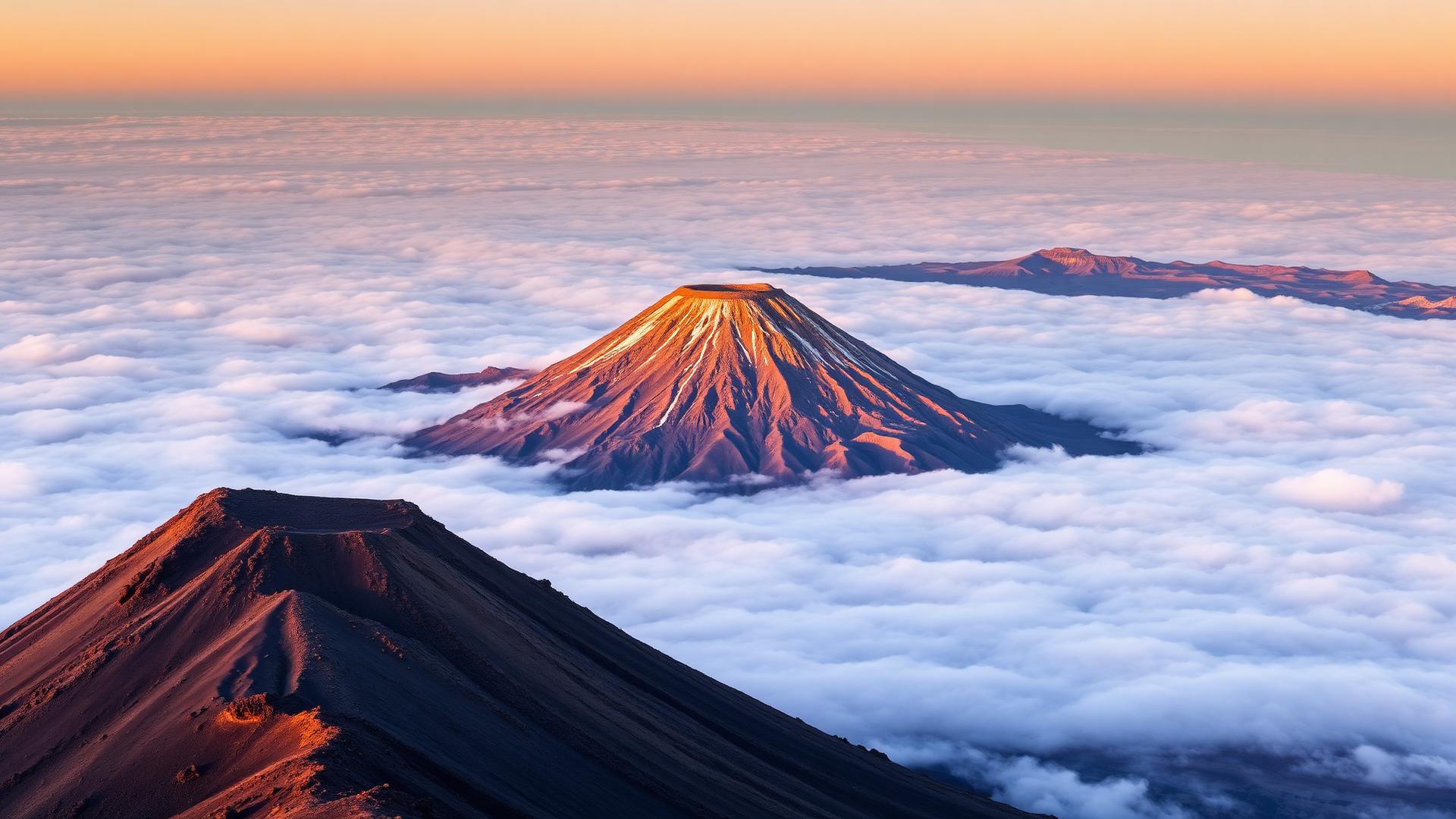
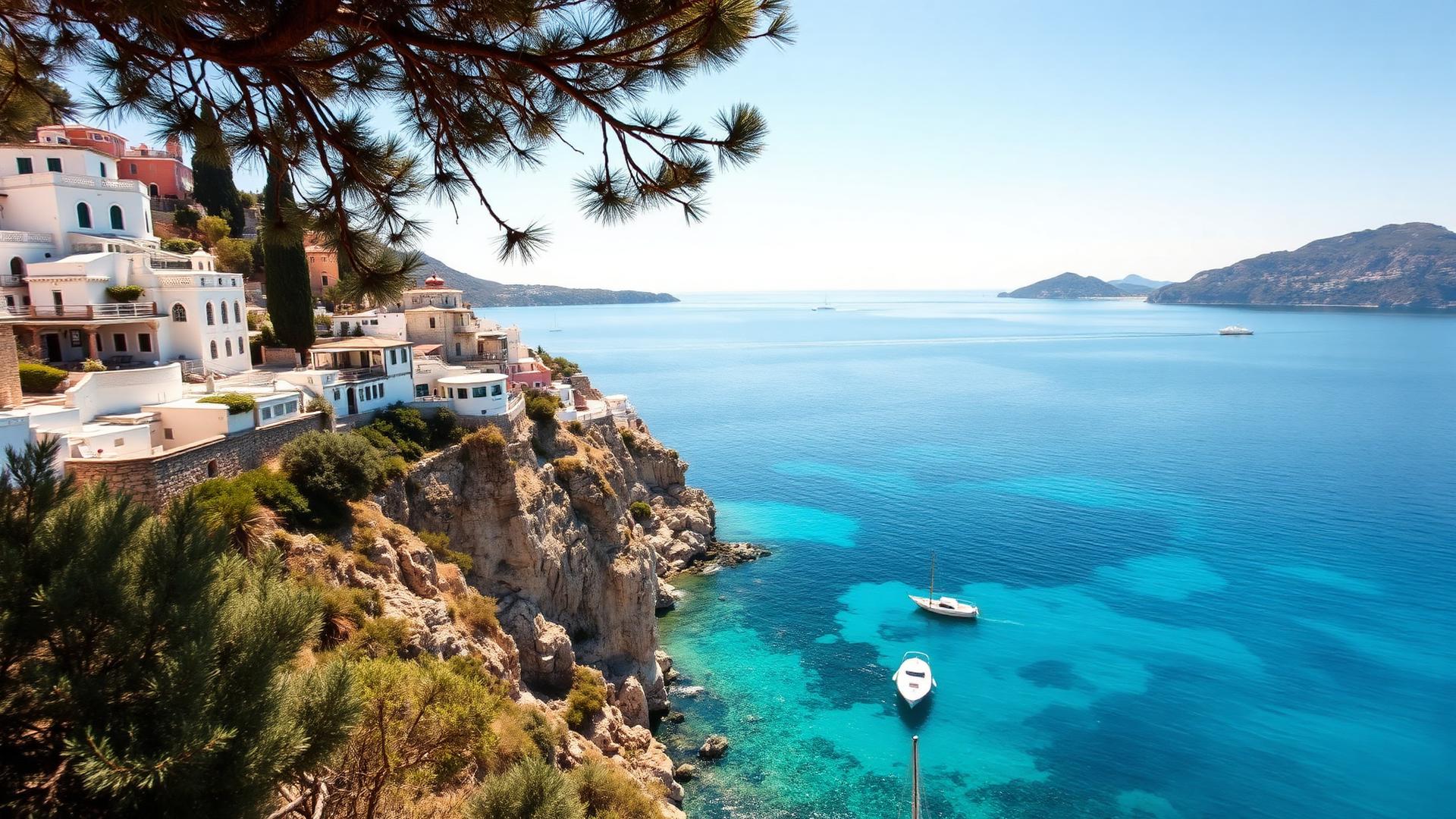
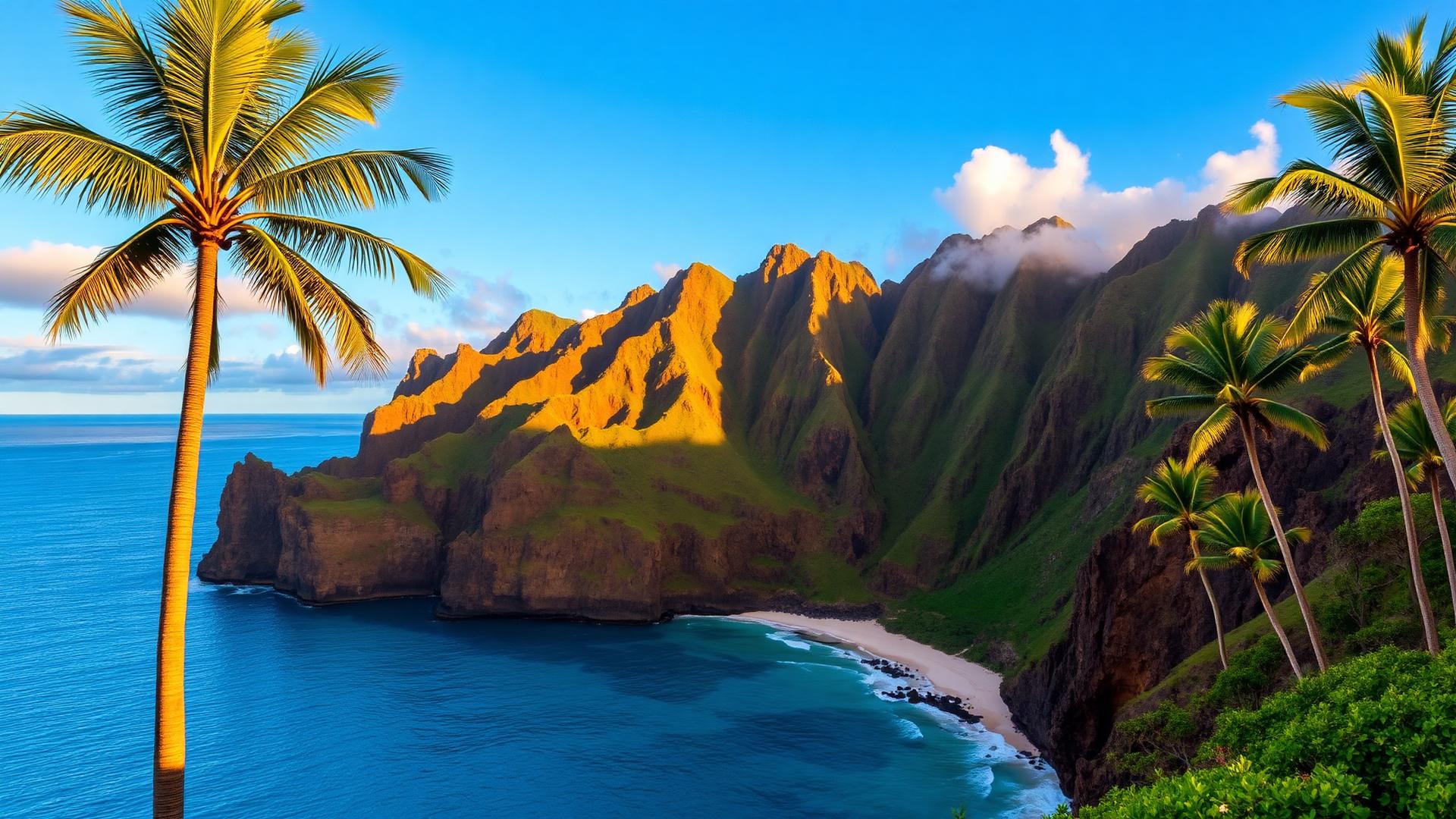
The eastern Canaries are Europe's reliable winter sun: an hour of daylight longer than the mainland, water you can swim in every month, and landscapes that look less Mediterranean than lunar.
September–June lands in winter for Canary Islands (Lanzarote & Fuerteventura): warm, sunny weather ideal for the coast; prime hiking and outdoor season with the trails and passes open; calm seas and swimmable water.
Which island for which trip
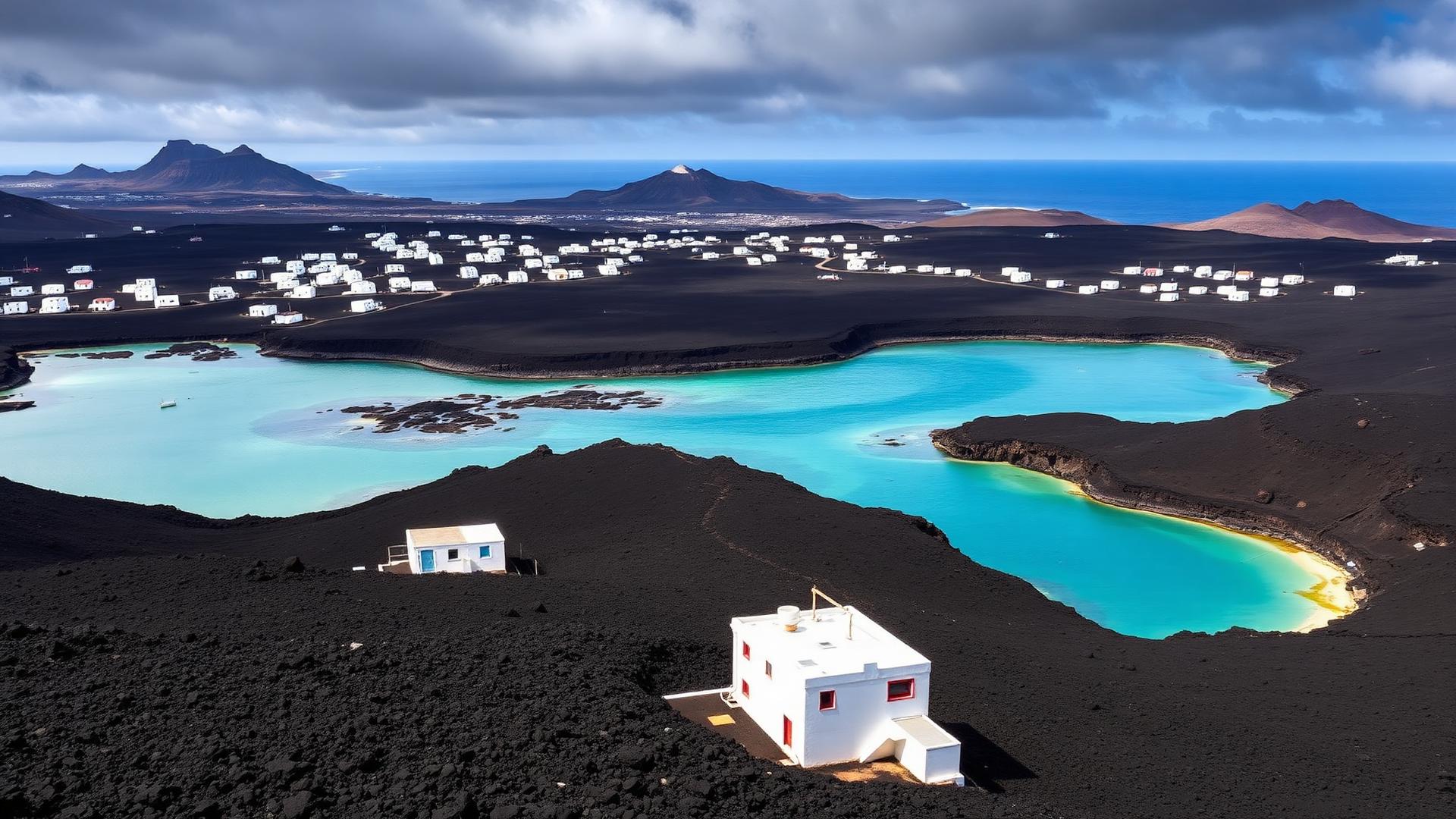
Lanzarote is the design-led one. Thanks to the artist César Manrique, there are no high-rises and no billboards; the architecture is white cubes against black lava. It has the more interesting landscape. Timanfaya's fire mountains, La Geria's vineyards planted in volcanic pits, and better food.
Fuerteventura is the beach one. It has the longest, emptiest sand in the archipelago (Corralejo dunes, Cofete, Sotavento) and the best wind and kite conditions in Europe, but far less to look at inland.
They're 30 minutes apart by ferry from Playa Blanca to Corralejo, so combining both in one trip is easy and common. For a greener, higher, more hiking-led island, see the Tenerife guide instead.
Lanzarote highlights
Timanfaya National Park is a lava desert from the 1730s eruptions, visited by coach along a road you cannot walk: book the guided Ruta de los Volcanes or hike the Termesana route with a ranger. Nearby, Cueva de los Verdes and Jameos del Agua are lava tubes turned into one of Manrique's best interventions.
La Geria is unlike any vineyard in Europe: single vines in scooped hollows behind crescent stone walls, producing crisp volcanic Malvasía. Mirador del Río and the César Manrique Foundation (his house, built inside lava bubbles) are the other two essentials.
For beaches, Papagayo's coves in the south are the best; Famara in the north is a wild surf beach beneath a 600 m cliff.
Fuerteventura & the water
The Corralejo dunes are a protected Sahara-like belt of sand with shallow turquoise water, the calmest swimming on the island. Sotavento on the Jandía peninsula is the lagoon that fills at high tide and hosts world-cup windsurfing. Cofete, reached on a rough track over the spine of the island, is a vast, wild, dangerous-to-swim beach worth the drive for the scale alone.
Surf schools cluster in Corralejo and El Cotillo; conditions are best October to March. Winds are strong year-round on the east coast, a good thing on a board, less so with a beach umbrella.
Practicalities & when to go
Both islands are a 4-4.5 hour flight from northern Europe and are warm all year - 21-22 °C in January, high 20s in summer, and rain is rare. Winter is the peak season here, which is exactly what makes the Canaries useful. September and October give the warmest sea.
Rent a car: distances are small but public transport is thin outside the resorts. Both islands are in the EU and use the euro, with lower VAT (IGIC) than the mainland.
Want to find more places like Canary Islands (Lanzarote & Fuerteventura)?
Answer a few questions and get matched to 170+ destinations worldwide.
Find my matches