Tenerife
Tenerife is two islands in one: a dry, sunny south built for winter beach weeks, and a green, misty, mountainous north where Spain's highest peak sits above the clouds. Choose the wrong half and you'll misjudge the place entirely.
January–December lands in summer for Tenerife: warm, sunny weather ideal for the coast; prime hiking and outdoor season with the trails and passes open; calm seas and swimmable water.
North vs south
The south (Costa Adeje, Los Cristianos, El Médano) is reliably sunny, warm and where the beaches and resorts are. The north (Puerto de la Cruz, La Orotava, La Laguna) is greener, cooler, cloudier and much more Canarian: banana terraces, colonial towns, better food, worse tanning.
The island is small enough to base in one and day-trip to the other: south to north is about 1h15 by motorway. If you want a single base that does both, Puerto de la Cruz or the Orotava valley is the compromise; if the trip is mainly about sun and sea, stay south.
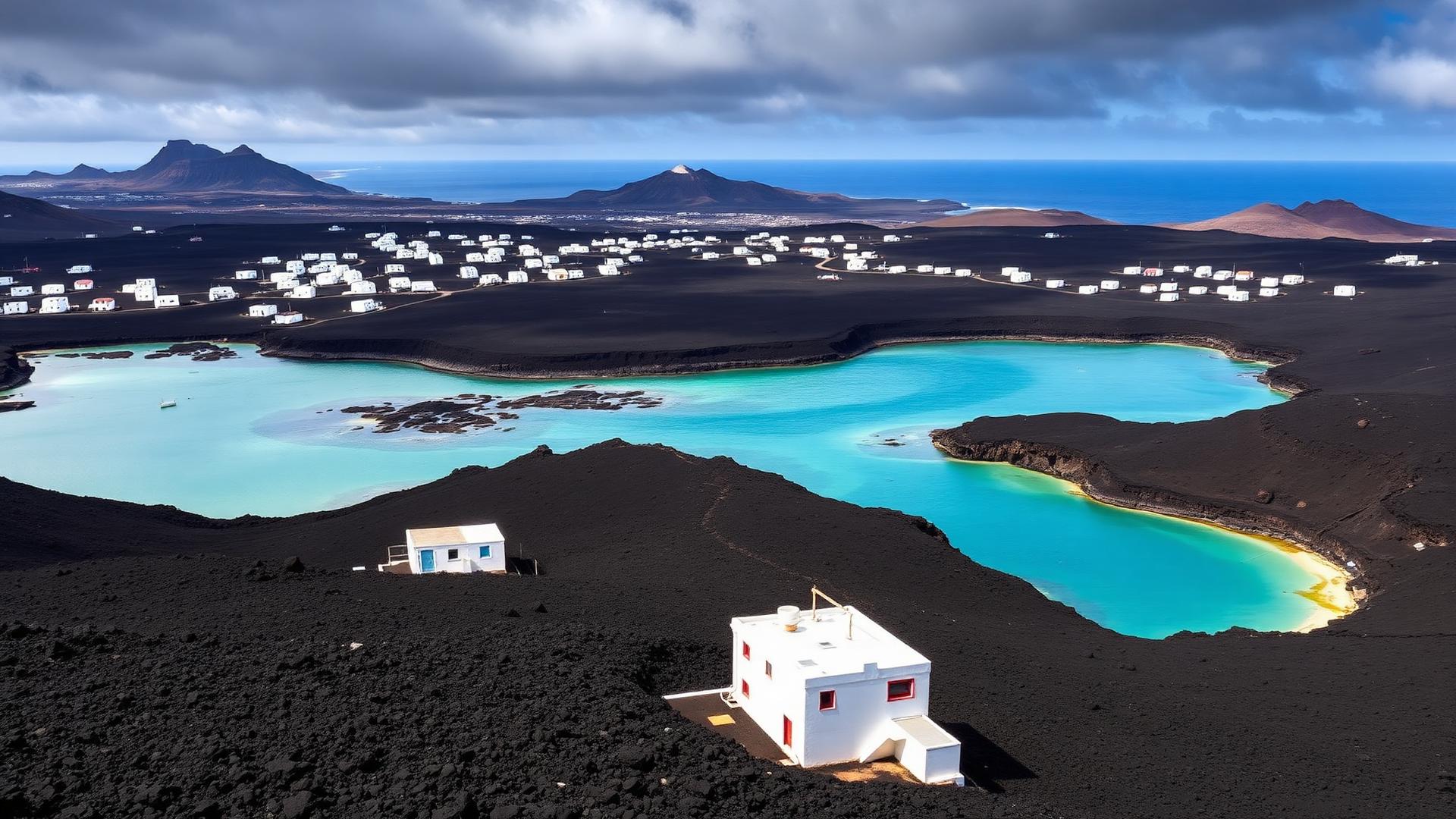
For flatter, drier, more lunar islands with the best beaches in the archipelago, see the Canary Islands guide to Lanzarote and Fuerteventura.
Teide and the high volcano
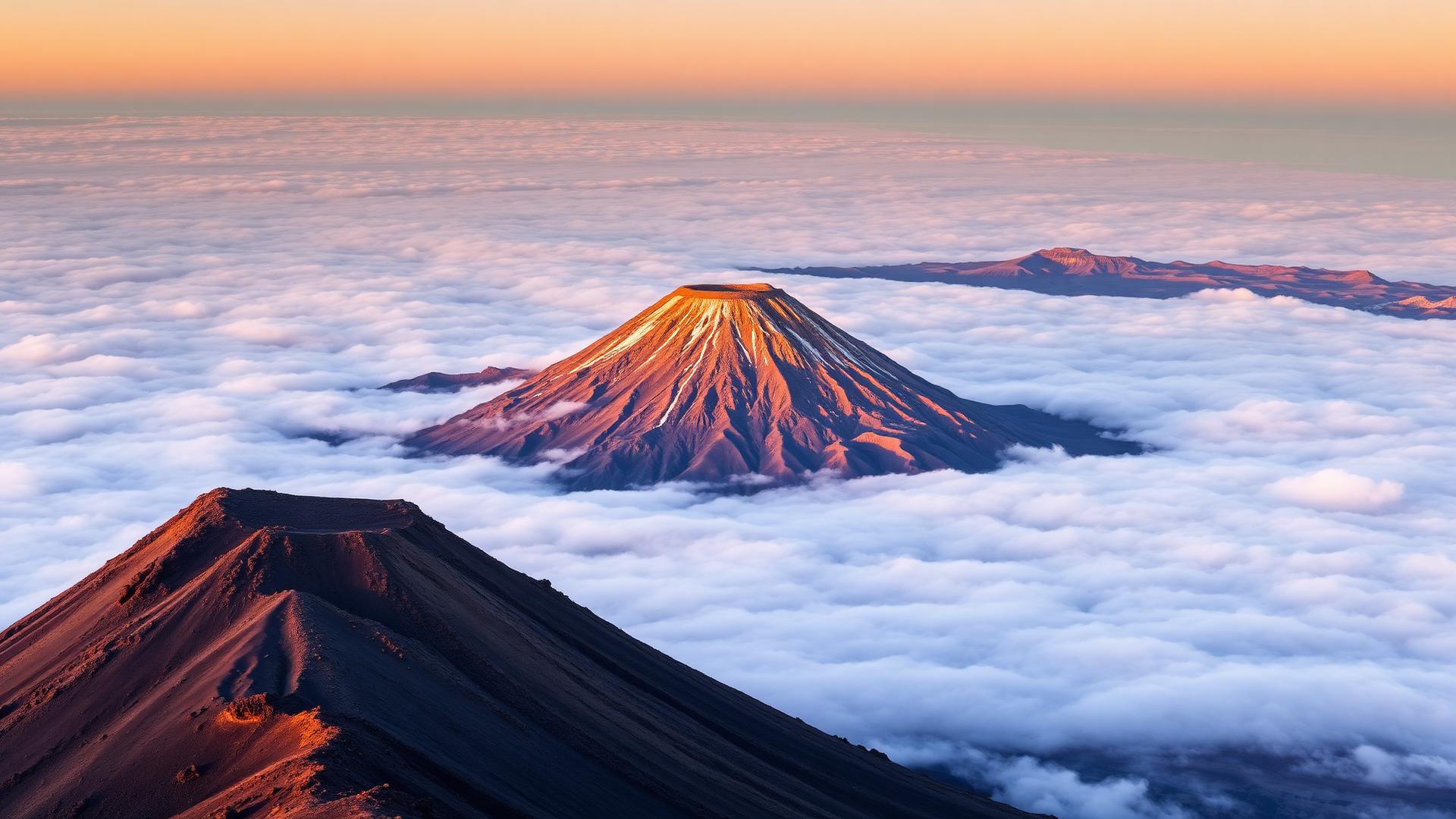
Teide is 3,715 m, the highest point in Spain, and the drive up into Las Cañadas del Teide caldera is worth doing even if you never leave the car: a plateau of ochre lava and rock formations above a permanent sea of clouds.
A cable car takes you to 3,555 m. To go the last 200 m to the summit crater you need a free permit, booked online well in advance and released months ahead, or you can climb from the Altavista refuge before the cable car opens. Bring layers: it can be below freezing at the top while the coast sits at 24 °C.
The caldera is also one of the world's best stargazing sites, with the Izaña observatory on the rim; night tours from the south coast are excellent.
Hiking, water and the green north
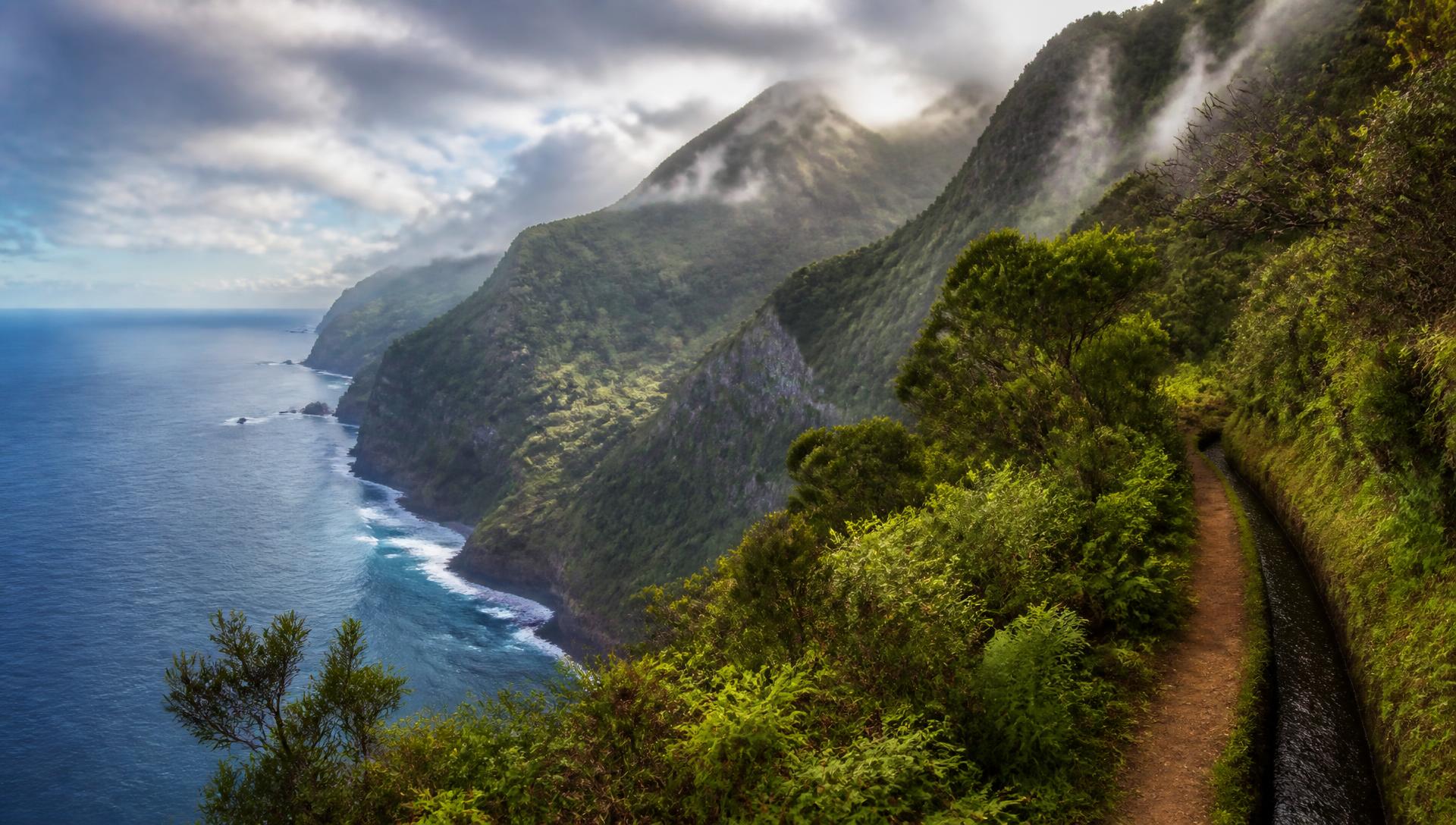
Anaga Rural Park in the north-east is the highlight for walkers: an ancient laurel cloud forest on knife-edge ridges, with trails down to black-sand coves like Benijo. The Masca gorge in the west has reopened under a booked-guide system: check the current rules before planning it.
In the water, the strait between Tenerife and La Gomera holds a resident population of pilot whales and dolphins year-round; go with an accredited (Blue Boat flag) operator from Los Gigantes or Puerto Colón. El Médano is the wind- and kitesurf capital.
Towns worth the stop: La Laguna (UNESCO colonial grid), La Orotava for its wooden balconies, and Garachico, rebuilt after being buried by lava, with natural rock pools.
Practicalities & when to go
Tenerife is warm all year (around 21 °C in January, high 20s in summer), which makes it a genuine winter-sun option 4.5 hours from northern Europe. September–November has the warmest sea. The north sees more rain and cloud in winter.
Rent a car: the best of the island is scattered and mountain roads are slow but superb. Two airports. Tenerife South (TFS) takes most international flights, Tenerife North (TFN) serves the north and inter-island hops.
Want to find more places like Tenerife?
Answer a few questions and get matched to 170+ destinations worldwide.
Find my matches