Florida (Miami & Everglades)
South Florida is three trips in one: an Art Deco beach city with the best Latin food in the United States, a subtropical wetland the size of a small country, and a hundred-mile road across the sea to Key West.
October–May lands in winter for Florida (Miami & Everglades): warm, sunny weather ideal for the coast; prime hiking and outdoor season with the trails and passes open; calm seas and swimmable water.
Miami: beaches, Deco and neighbourhoods
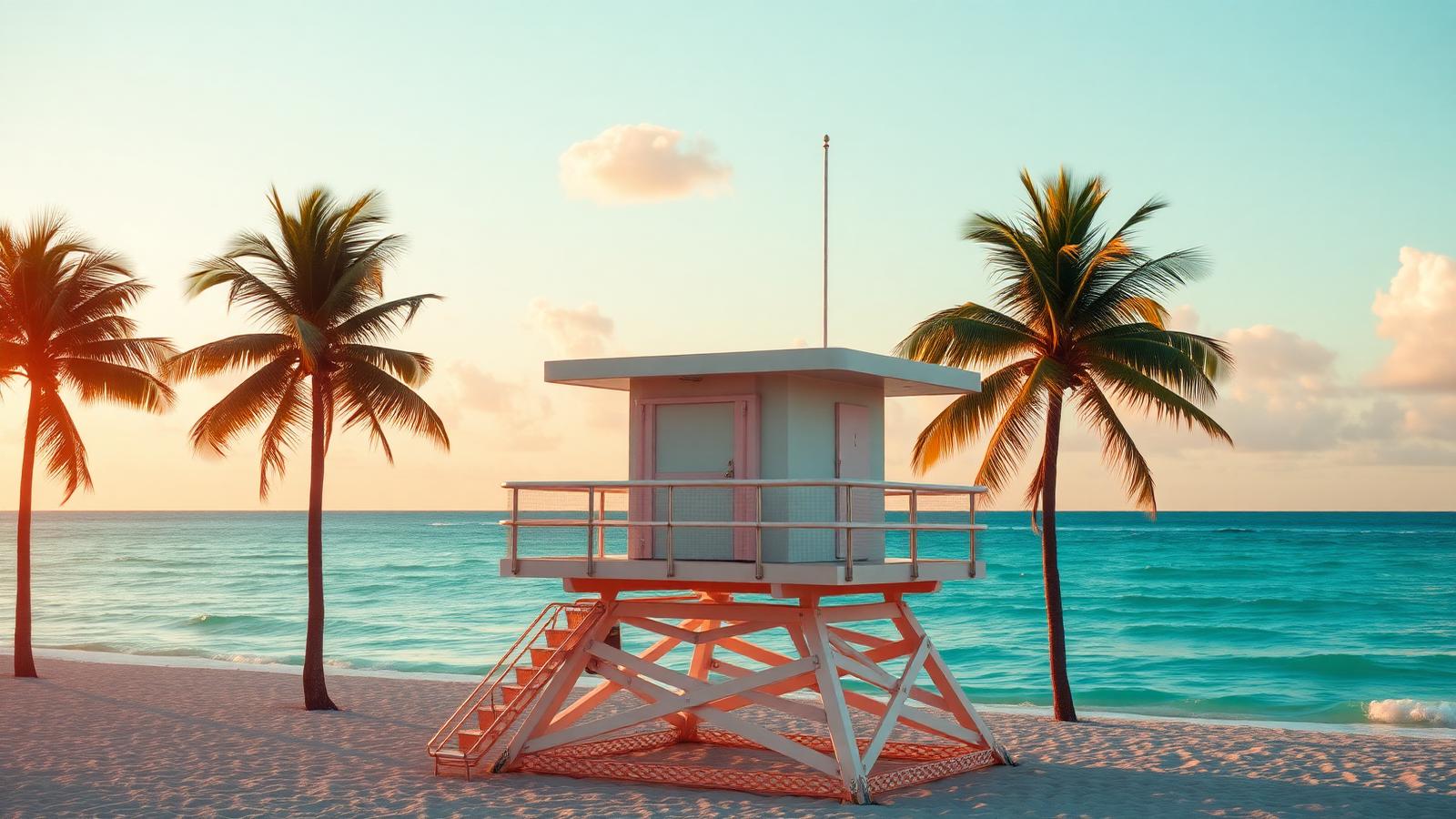
South Beach is the postcard: pastel Art Deco along Ocean Drive (take the morning walking tour from the Art Deco Welcome Center), wide sand, and the calmer, prettier stretch north of 20th Street. Mid-Beach and Surfside are quieter with the same water.
The city proper is where it gets interesting. Little Havana for Calle Ocho, dominoes in Máximo Gómez Park, ventanita coffee and a cigar roller. Wynwood for the painted warehouse walls, galleries and breweries. Design District for architecture-as-shopping, Coconut Grove and Coral Gables for banyan-shaded streets and the Venetian Pool. Vizcaya, a Gilded Age villa on the bay, is the one museum to prioritise.
Miami is a driving city with expensive parking; ride-hailing between neighbourhoods is usually easier than renting until you leave town.
The Everglades
The park has three entrances and they are not interchangeable. Shark Valley (45 min from Miami) is the reliable wildlife hit: a 15-mile loop by bike or tram with alligators lying beside the path, plus an observation tower. Ernest F. Coe / Flamingo (the main southern road) runs 38 miles to Florida Bay past the Anhinga Trail, the best short boardwalk in the park, thick with birds, gators and turtles, and out to manatees at the marina. Gulf Coast / Everglades City is the mangrove side, best by kayak through the Ten Thousand Islands.
Airboats run only outside the park boundary; they're loud, fun and poor for wildlife. A guided kayak or a slow walk at dawn on the Anhinga Trail shows you far more. Go December–April: dry season concentrates animals at waterholes and the mosquitoes are survivable. Summer is a wall of insects.
Big Cypress, just north, has the Loop Road and a decent chance of a Florida panther sighting you will almost certainly not get.
The Keys
The Overseas Highway runs 113 miles over 42 bridges to Key West. Stop at Key Largo and John Pennekamp for snorkelling the only living coral barrier reef in the continental US, Islamorada for fishing and sandbars, Bahia Honda for the best beach, and the Seven Mile Bridge for the drive itself.
The Lower Keys are the quiet stretch, and Big Pine Key is where you may spot the Key deer: a pocket-sized subspecies the size of a large dog, found nowhere else on earth and protected within the National Key Deer Refuge. Drive slowly at dawn and dusk, especially in the refuge, since the deer often stand in the road.
Key West is a two-night town: Duval Street, the Hemingway house and its six-toed cats, the sunset circus at Mallory Square, and a slow morning cycling the old lanes. Book ahead in winter; the island fills.
Eating
Cuban is the baseline - cafecito, croquetas, a medianoche sandwich, ropa vieja. Add Haitian in Little Haiti, Colombian and Venezuelan arepas in Doral, Peruvian ceviche, stone crab in season (October–May) at Joe's or any fish market, and key lime pie in the Keys.
Practicalities
November to April is the season: warm, dry, low humidity. June to November is hurricane season with daily afternoon storms and serious humidity; it's cheaper for a reason. Rent a car for the Everglades and the Keys, and book Keys accommodation well ahead for winter.
For the other American road-trip coast, see the California guide.
Want to find more places like Florida (Miami & Everglades)?
Answer a few questions and get matched to 170+ destinations worldwide.
Find my matches