Honshu (Japan)
Honshu is Japan in widescreen: neon megacities, temple districts, snowbound mountains, feudal towns and a rail network that makes the whole island feel within reach. Tokyo and Kyoto anchor the journey, but the discoveries between them often become the reason to return.
September–May lands in winter for Honshu (Japan): warm, sunny weather ideal for the coast; prime hiking and outdoor season with the trails and passes open; calm seas and swimmable water.
The classic first journey
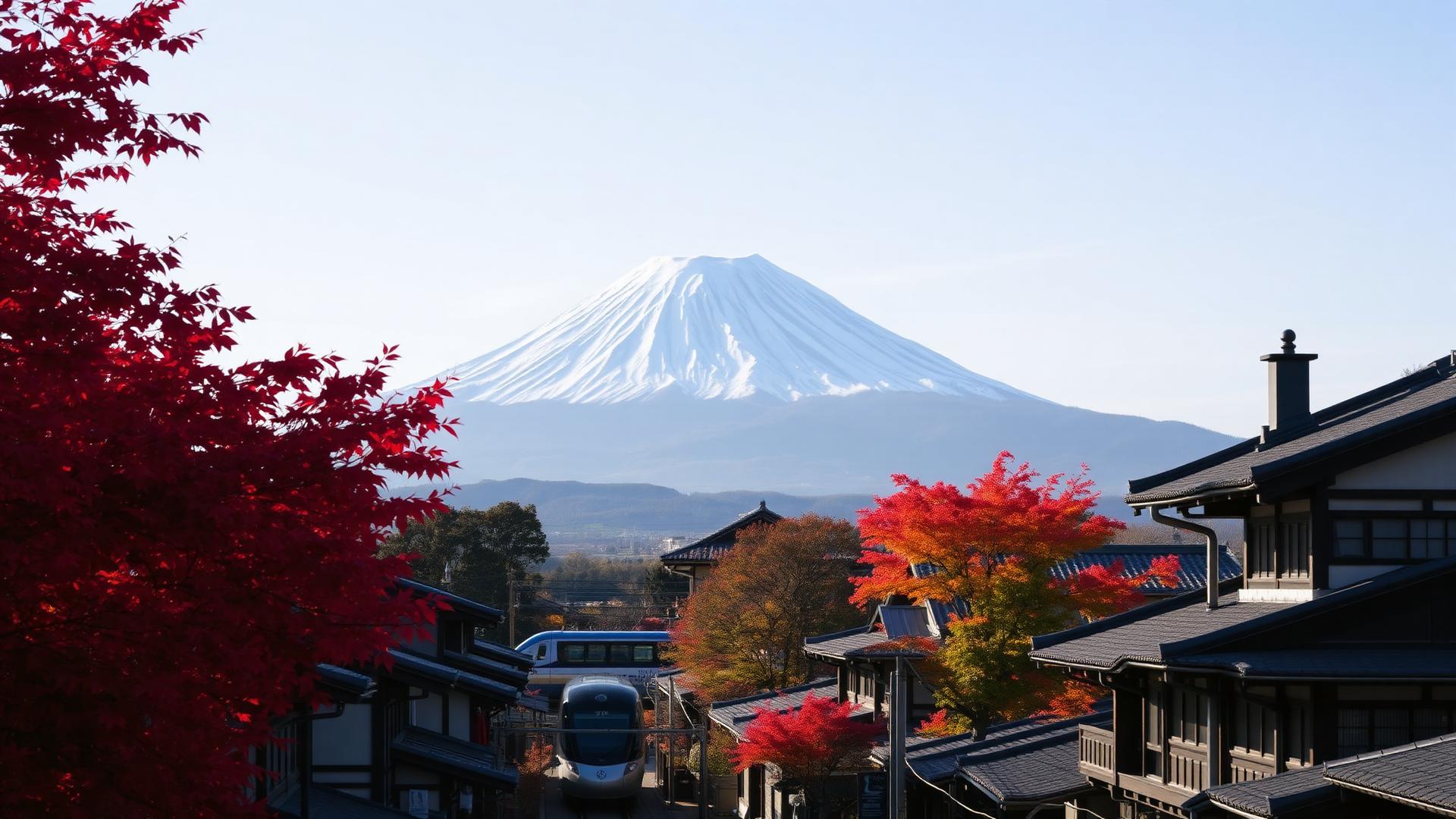
A first trip usually follows the Golden Route from Tokyo to Kyoto and Osaka, with a day trip to Nara. Give Tokyo four or five days for its neighbourhoods, museums and extraordinary food, then pause around Hakone or the Fuji Five Lakes for hot springs and views of Mount Fuji before continuing west.
Kyoto deserves three or four days of its own, with nearby Nara as an easy day trip. We have a dedicated Kyoto guide if you want to go deeper on the old capital. Continue to Hiroshima for the Peace Memorial Museum and ferry to Miyajima. This route fits into two weeks without requiring a domestic flight.
Day trips from Tokyo
Tokyo is a generous base, and several of Japan's most rewarding sights sit an hour or two from the city. Nikko, two hours north by train, layers a forest of cedar over the gilded, jaw-droppingly ornate Toshogu shrine and the quiet mausoleum of the Tokugawa shoguns, with the Lake Chuzenji and Kegon Falls area above it for cooler mountain air.
South of the city, Kamakura is a compact coastal town of great Zen temples, a 13-metre bronze Great Buddha sitting in the open air, and a relaxed beachside atmosphere that makes it an easy half-day or full-day escape on the Yokosuka line.
For something unique, Tokyo DisneySea is unlike any other Disney park: an adults-friendly, nautically themed world of harbours, volcanoes and Arabian coastlines that rewards even visitors who normally skip theme parks. Arrive at opening, use the app for standby passes, and ride Journey to the Center of the Earth early.
Mountains, old towns & onsen
The Japanese Alps provide Honshu's best contrast to the big cities. Kanazawa's gardens and samurai district lead naturally toward Takayama, the thatched farmhouses of Shirakawa-go and the preserved post towns of the Nakasendo Trail.
Stay at least once in a ryokan, where tatami rooms, a seasonal dinner and bathing in an onsen are part of one experience. In winter, Nagano and the northern Alps add reliable snow, skiing and the famous snow monkeys of Jigokudani.
Food, cities & living culture
Honshu's food changes from city to city: sushi and monjayaki in Tokyo, kaiseki in Kyoto, okonomiyaki in Hiroshima and Osaka, mountain vegetables in Nagano, and superb seafood along the Sea of Japan. Department-store food halls make regional specialities unusually easy to explore.
Beyond the headline sights, build in unscheduled evenings for tiny bars, sento bathhouses, markets and neighbourhood restaurants. Basic etiquette matters: keep voices low on trains, remove shoes when indicated and do not tip.
Getting around
Fly into Tokyo Haneda (HND) or Narita (NRT); Osaka Kansai (KIX) is useful for an open-jaw itinerary. The Shinkansen connects the major cities quickly, while regional trains and buses reach mountain areas. Use an IC card for local transport and price individual long-distance tickets before buying a rail pass, which is no longer automatically the cheapest choice.
Forward luggage between hotels using takkyubin delivery and travel on trains with a small overnight bag. Reserve seats during cherry-blossom season, Golden Week, Obon and New Year, especially if carrying oversized luggage.
When to go & what it costs
March to May brings blossoms and fresh greenery; October and November bring clear skies and autumn colour. Both are beautiful and busy. January and February suit snow trips and crisp city days, while September can still be humid and carries some typhoon risk.
Japan is easier to budget than its reputation suggests. Allow roughly ¥18,000-35,000 per person per day for business hotels or modest ryokan, excellent casual meals, local transport and sights, plus intercity rail. Convenience stores, set lunches and luggage forwarding offer exceptional value.
A longer trip
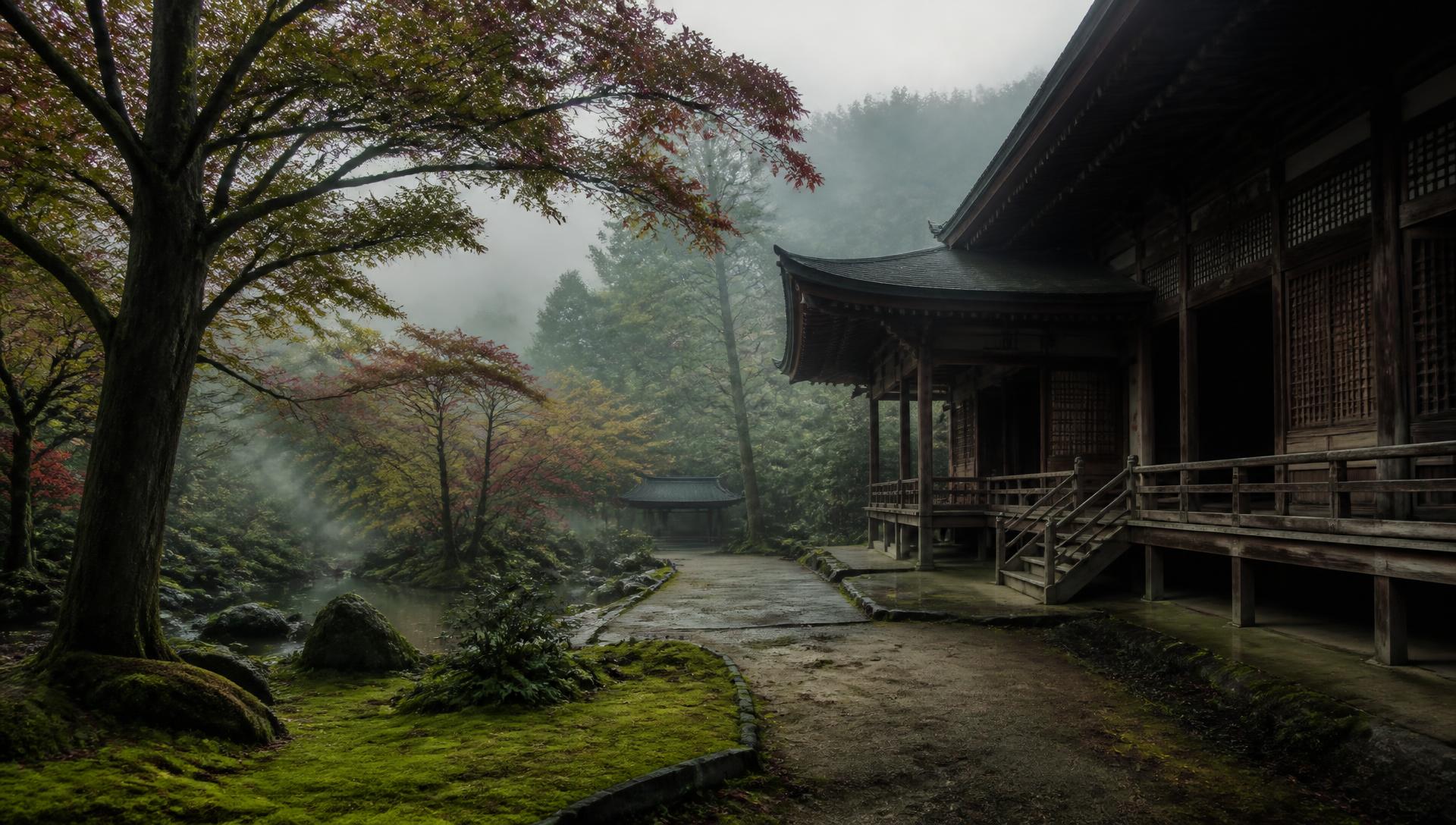
With two or three weeks, Honshu opens up far beyond the Golden Route. Head south from Osaka to Koyasan, the mountaintop headquarters of Shingon Buddhism, where you can stay in a temple lodging (shukubo), eat monastic vegetarian cuisine and walk among centuries of moss-covered graves in Okunoin cemetery at dawn. From there the Kumano Kodo pilgrim trails thread through the Kii Peninsula to the grand shrines of Kumano, a multi-day walk through cedar valleys and coastal hills that's one of Japan's most rewarding slow journeys.
North of Tokyo, Kanazawa rewards with one of Japan's finest gardens (Kenroku-en), a preserved samurai district and a food scene that rivals any city. From Kanazawa the route leads into the Alps: Takayama, with its old merchant quarter and sake breweries, and the Nakasendo Trail, where the restored post towns of Magome and Tsumagu let you walk the original cobbled Edo-period highway between them. A night in a mountain ryokan around here is a highlight of any trip.
Further west, Himeji holds Japan's most magnificent surviving castle, the White Heron, flawlessly restored and worth a half-day stop on the Shinkansen line. Beyond it, Hiroshima and the sacred island of Miyajima (with its floating torii gate and deer-filled shrine paths) close out the western end of Honshu with a city that's now a moving, modern place to eat and explore. These detours turn a straight Golden Route into a far richer two- or three-week loop.
Want to find more places like Honshu (Japan)?
Answer a few questions and get matched to 170+ destinations worldwide.
Find my matches