Kyoto
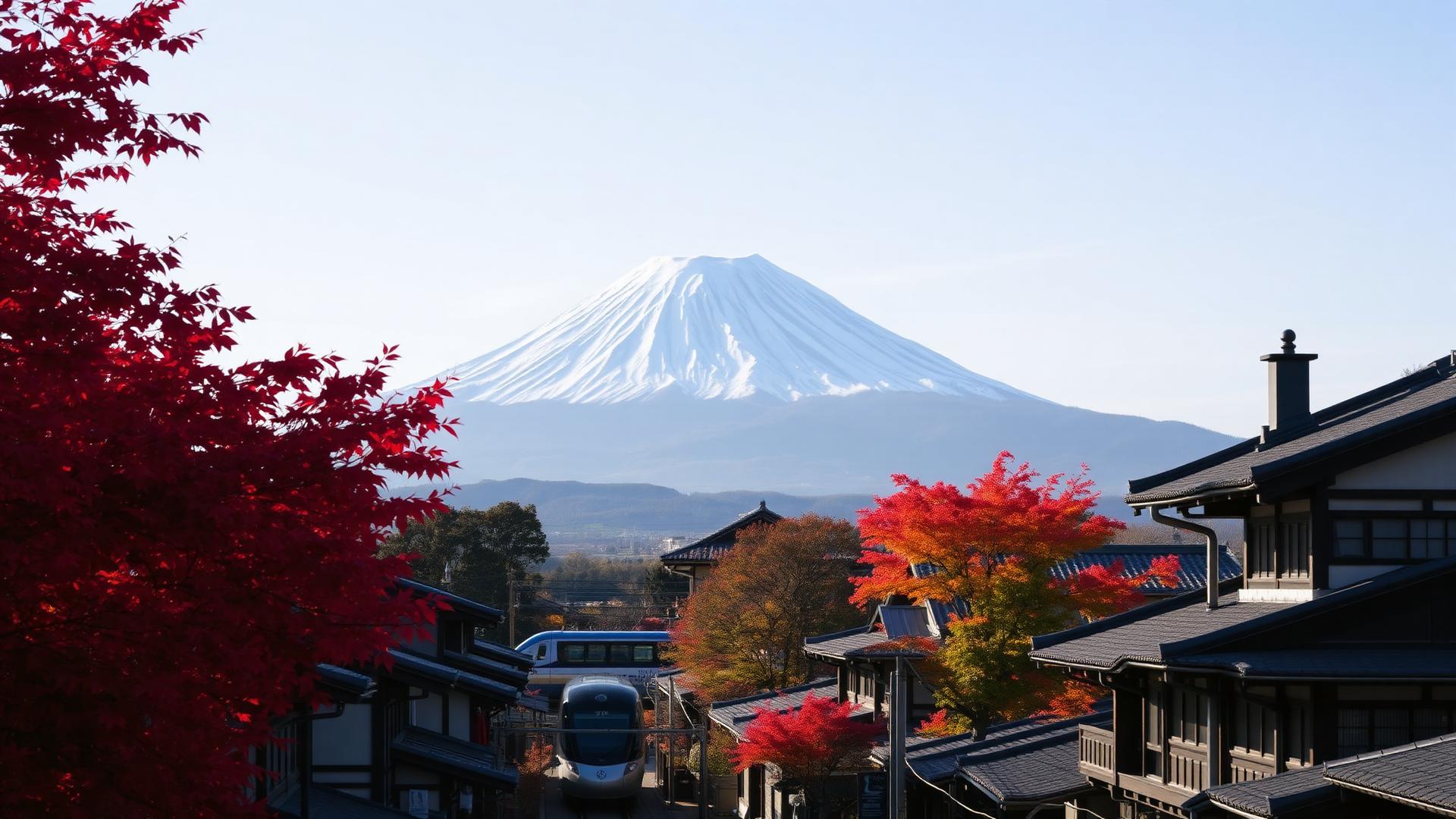
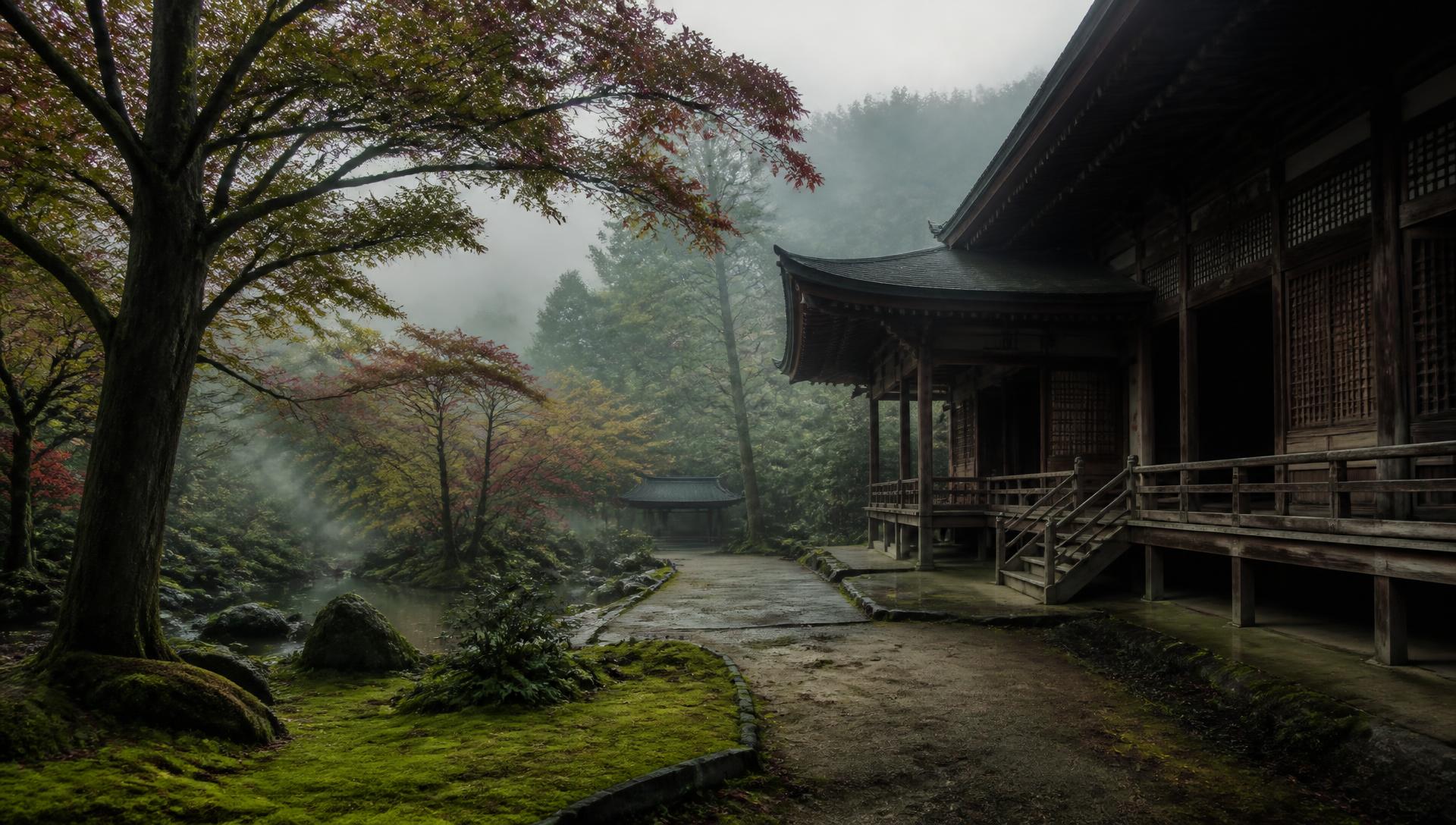
Kyoto is Japan's cultural heart, a thousand years of capital preserved in 1,600 Buddhist temples, 400 Shinto shrines and gardens that have been refined into landscapes of pure intention. It's also where Japan's most refined food, textiles and ritual survive at full strength.
March–April and October–November are the two windows that work best for Kyoto: hot temperatures without the peak humidity. The months in between are skipped; they're the peak-season extremes for Kyoto.
The essential temples
Don't try to see them all. Start with the Kinkaku-ji (Golden Pavilion) for its reflected splendour, then escape east to Kiyomizu-dera, perched on a hillside with views across the city. The Ryoan-ji rock garden is the canonical zen experience: 15 stones arranged so one is always hidden from any viewing angle.
For atmosphere over icon, head to the Philosopher's Path at dawn, when the canal-side walk between temples is empty and the light is at its softest. Fushimi Inari, the tunnel of ten thousand torii gates, is best at sunrise before the crowds arrive.
Gardens, tea & food
Kyoto invented kaiseki - the multi-course seasonal tasting menu that's Japan's most refined cuisine. A proper kaiseki dinner is a journey through texture and season; even budget travellers can sample the spirit at a shojin ryori (Buddhist vegetarian) lunch in a temple.
The tea ceremony is a living art form here. Book a short session at a traditional tea house (many in the Gion district cater to visitors) to experience the choreography rather than just drinking the tea.
When to go
Cherry blossom (late March to mid-April) and autumn leaves (November) are the headline seasons: staggeringly beautiful and accordingly crowded. Book accommodation months ahead.
For tranquility, visit in early summer (May-June) when hydrangeas bloom and the rains green the moss gardens, or in winter (December-February) when temples are hushed and you may catch snow on the roofs. Summer proper (July-August) is hot, humid and the busiest domestic season.
Getting around & costs
Fly into Osaka's Kansai airport (KIX) and take the Haruka express or local train to Kyoto (~75 min). The city is served by an excellent bus and two subway lines; a one-day bus pass (~¥700) pays off quickly.
Kyoto is a mid-to-comfort destination. Temple entry is cheap (¥400-600 each) but accommodation in central Kyoto is pricey; consider business hotels or ryokan slightly outside the core. Budget roughly ¥15,000-30,000/day per person for mid-range, including food.
Where to stay & longer excursions
Stay around Gion or Higashiyama for atmosphere and dawn access to the eastern temples; around Kyoto Station for effortless transport; or near downtown Kawaramachi for restaurants and evenings out. A traditional machiya townhouse or ryokan adds character, but book early in blossom and autumn seasons.
Kyoto is part of a larger Honshu itinerary: pair it with Tokyo, the Japanese Alps and Hiroshima on the classic Golden Route. With extra time, visit Nara for Todai-ji and its deer park, Uji for tea culture and Byodo-in, or Kurama and Kibune for a mountain walk north of the city. Osaka is close enough for dinner, though Kyoto rewards travellers who slow down rather than treating it as a checklist.
Want to find more places like Kyoto?
Answer a few questions and get matched to 170+ destinations worldwide.
Find my matches