Paris
Paris earns its reputation the slow way: not at the top of the Eiffel Tower, but over a café crème on a zinc bar, in a market queue for a still-warm baguette, on a bridge at dusk when the limestone turns gold. See the icons, by all means, but leave room to drift.
April–June and September–October are the two windows that work best for Paris: hot temperatures without the peak humidity. The months in between are skipped; they're the peak-season extremes for Paris.
The classic first trip
Start on the Seine. The riverside walk from the Eiffel Tower past the Musée d'Orsay to Notre-Dame (reopened and magnificent) strings most of the great sights onto one flat, beautiful stroll. Cross to the Louvre for an evening opening when the crowds thin; the pyramid courtyard at night is the city's best free show.
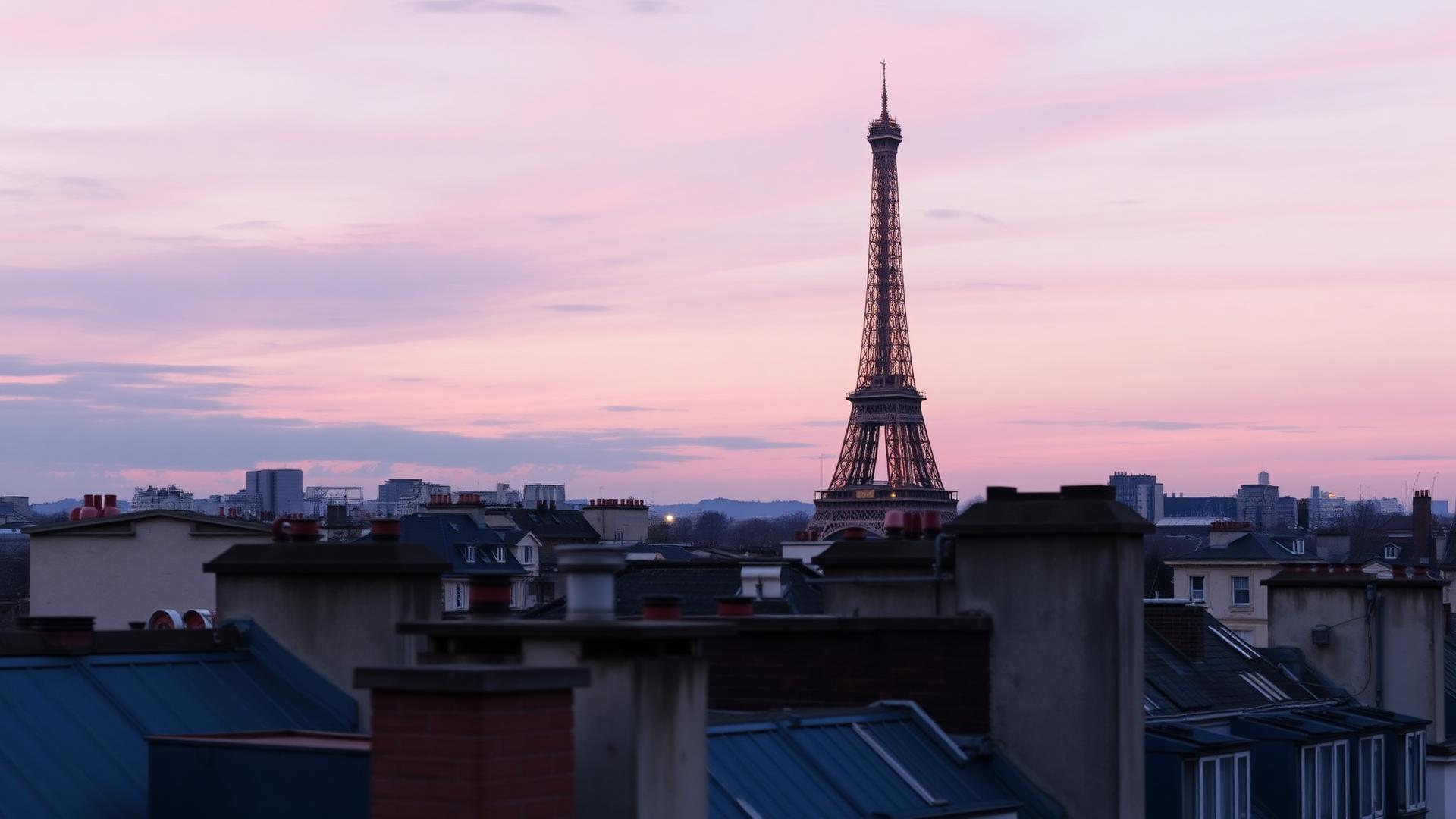
Give the Champs-Élysées a quick pass and spend the saved time in the Tuileries and at Musée de l'Orangerie for Monet's Water Lilies. For the postcard panorama, skip the Tower's queues and go up the Arc de Triomphe or the Montparnasse Tower instead: the view that actually includes the Eiffel Tower is the better one.
Neighbourhoods worth a morning
Le Marais is medieval lanes, falafel on Rue des Rosiers, the Place des Vosges and the Picasso Museum. Montmartre is worth the climb: go early, before the crowds around Sacré-Cœur, then lose yourself in the back streets toward Rue Lepic. Saint-Germain keeps its literary-café aura at Les Deux Magots and Café de Flore, expensive but worth one ceremonial stop.
For a more local Paris, walk the Canal Saint-Martin, browse the Marché d'Aligre with the 11th arrondissement's natural-wine bars, or take the Promenade Plantée, the elevated railway garden that inspired New York's High Line. Paris is a city of twenty villages; even one or two beyond the centre changes the whole trip.
Eating like a local
Meals run on a rhythm: formule lunches (two or three courses at a fixed price) are the best-value way into serious cooking, and dinner rarely starts before 19:30. A bistro classic, steak frites, confit de canard, sole meunière, is a rite of passage; so is a picnic from a fromagerie, boulangerie and wine shop eaten on the banks of the Seine or in the Luxembourg Gardens.
Save room for the patisserie circuit: éclairs at L'Éclair de Génie, macarons at Pierre Hermé, and a simple croissant from any bakery with a queue of Parisians out the door. Markets like Rue Cler or Marché des Enfants Rouges (the city's oldest) are perfect for grazing.
Day trips and when to go
April to June and September to October are the sweet spots: terrace weather, manageable crowds and soft light. August is quiet but many independent restaurants and shops close for the month; July is hot and busy. Winter is underrated, with shorter museum queues and the city at its most cinematic.
The classic day trip is Versailles (RER C, 40 minutes; book a timed entry and go at opening). Giverny, Monet's garden, is magical from April to October, and the Champagne houses of Reims are 45 minutes by TGV for a very civilised day out.
Practicalities
Fly into Charles de Gaulle (RER B into the centre) or Orly (Orlyval + RER). From London, Eurostar into Gare du Nord beats flying door-to-door; London and Paris combine into an easy two-city week. Within the city, the métro plus your feet cover everything; a carnet of t+ tickets or the Navigo Easy card keeps it simple.
Paris is a mid-to-comfort budget: reckon on €150-250/day for two with a mid-range hotel. The big savers: the Paris Museum Pass if you're doing three or more paid sights, lunch formules over à la carte dinners, and the fact that the city's greatest pleasures, bridges, gardens, window-shopping, are free. Book the Eiffel Tower, Louvre and Versailles well ahead in high season.
Want to find more places like Paris?
Answer a few questions and get matched to 170+ destinations worldwide.
Find my matches