Cape Town & Garden Route
South Africa's southwest packs a continent's worth of travel into one journey: Cape Town beneath Table Mountain, vineyard-lined valleys, wild beaches and a road trip that ends among forests, lagoons and wildlife. Few destinations combine city energy and open-country freedom so effortlessly.
November–March lands in the southern summer for Cape Town & Garden Route: warm, sunny weather ideal for the coast; prime hiking and outdoor season with the trails and passes open; calm seas and swimmable water.
Cape Town & the peninsula
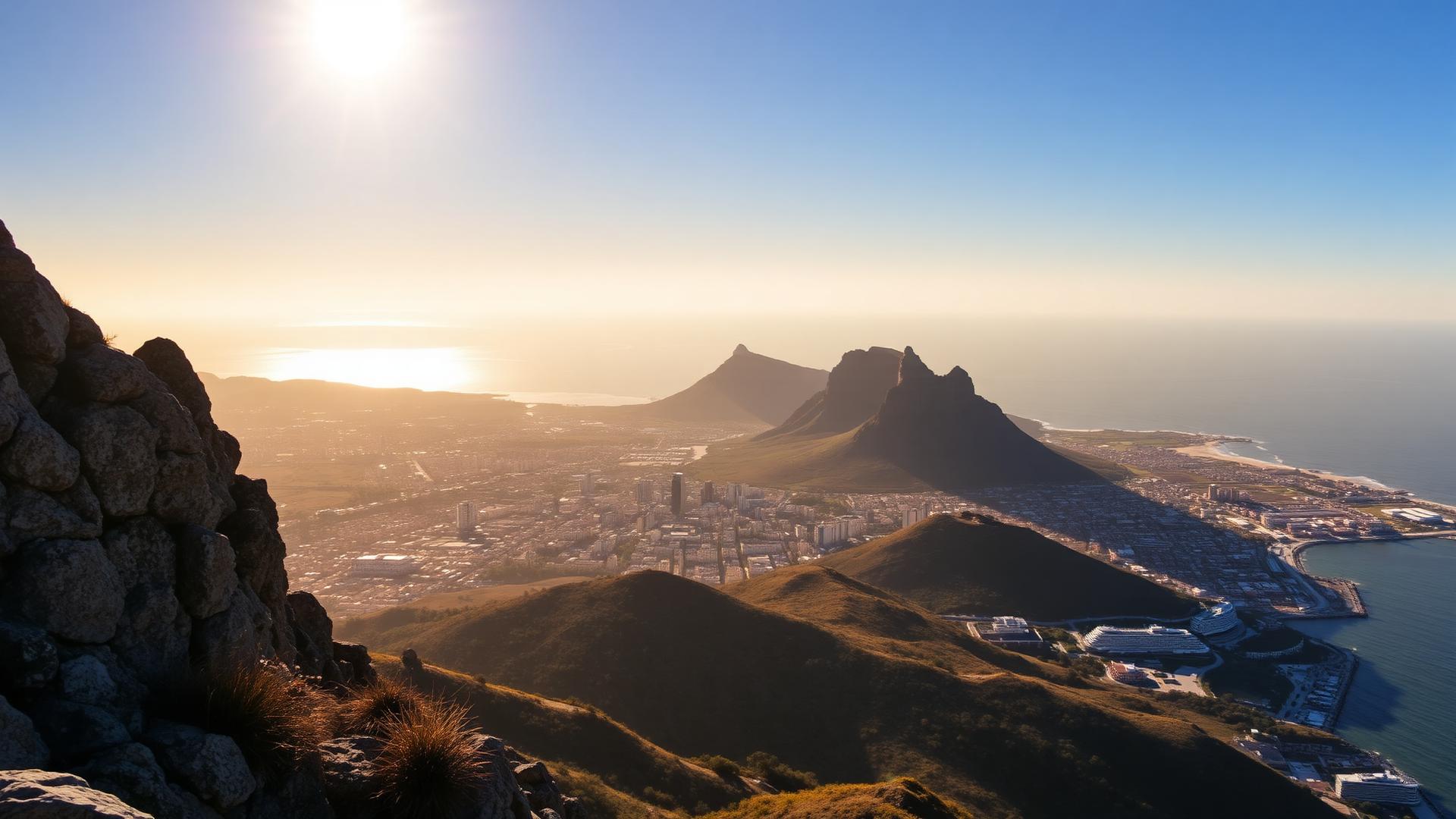
Give Cape Town at least four days. Ride the cableway or hike up Table Mountain, explore the galleries and food scene around the city bowl, then cross to Robben Island for essential historical context. The waterfront is polished; neighbourhoods such as Bo-Kaap, Woodstock and Observatory reveal more of the city's character.
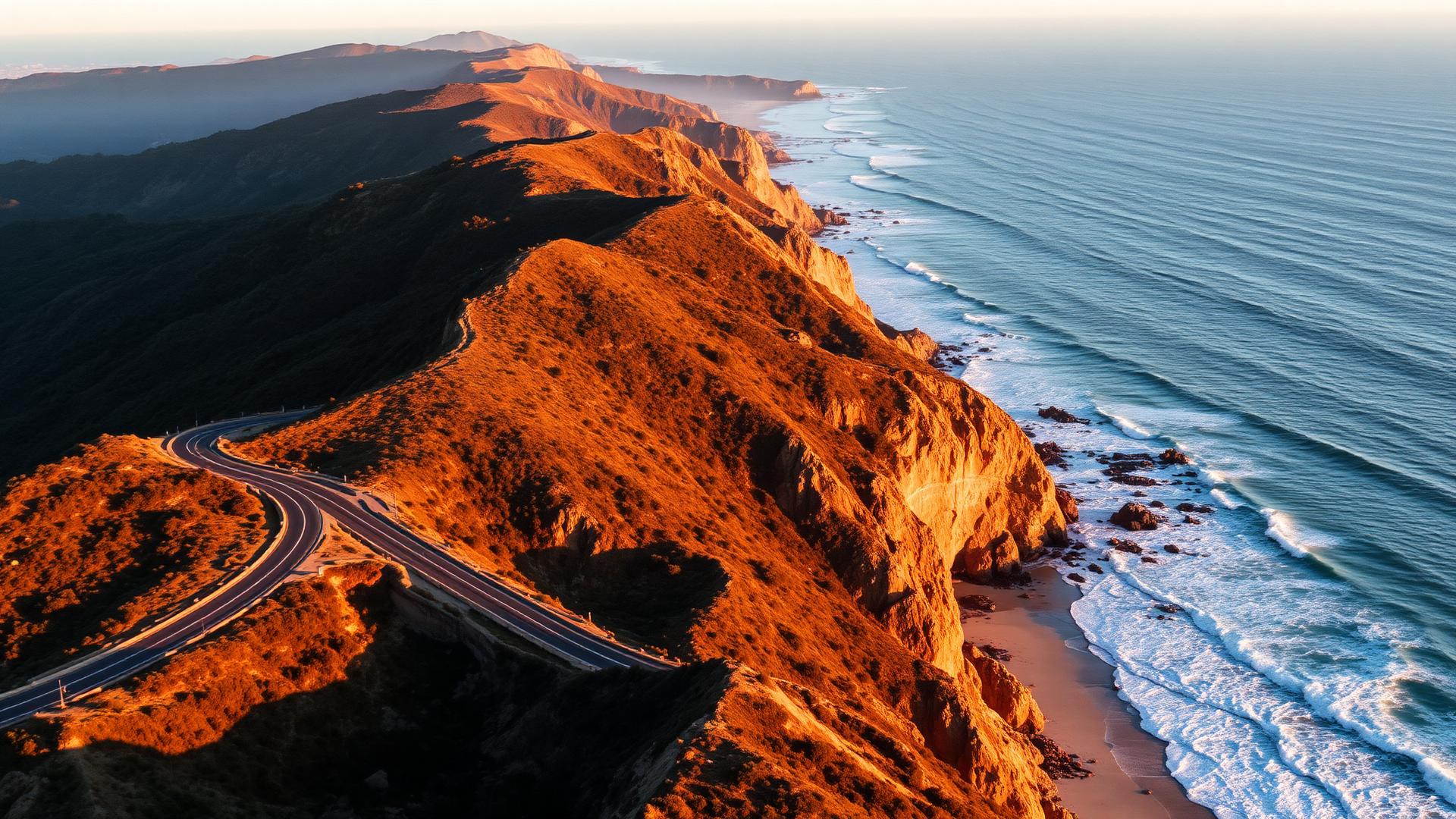
A full-day loop around the Cape Peninsula links the penguins at Boulders Beach, Cape Point and the cliff-hugging Chapman's Peak Drive. Camps Bay and Clifton deliver the classic city beaches, although the Atlantic water is bracing even in summer.
Winelands & the Garden Route
The Cape Winelands begin less than an hour from the city. Stellenbosch has oak-lined streets and serious restaurants; Franschhoek pairs mountain scenery with tasting rooms connected by a wine tram. Stay overnight rather than squeezing the region into a rushed day trip.
East of Cape Town, the Garden Route runs through Mossel Bay, Wilderness, Knysna, Plettenberg Bay and the forests of Tsitsikamma. Allow four to six days for coastal hikes, kayaking, quiet beaches and detours into the semi-desert Klein Karoo around Oudtshoorn and the Valley of Desolation near Graaff Reinet.
Wildlife beyond the Cape
The Eastern and Western Cape have accessible private reserves and national parks, but they are not the country's strongest classic safari areas. Addo Elephant National Park, near Gqeberha at the eastern end of the Garden Route, is the most natural extension and supports elephants, lions and buffalo.
For a deeper safari, fly from Cape Town to Johannesburg and continue to Kruger National Park or a neighbouring private reserve. Add at least three nights; early and late game drives give the best chance of sightings. Combining the Cape and Kruger makes an excellent two-week first trip.
Planning your trip
Fly into Cape Town (CPT). A rental car is invaluable for the peninsula, Winelands and Garden Route, though you can explore central Cape Town using ride-hailing and organised tours. Drive in daylight, avoid leaving belongings visible and ask local hosts which streets or areas to avoid after dark.
Roads on the main route are generally excellent and driving is on the left. One-way rentals between Cape Town and Gqeberha can save backtracking. Book Table Mountain, Robben Island, sought-after restaurants and summer accommodation in advance.
When to go & what it costs
November to March brings warm, dry weather to Cape Town and the Garden Route. February and March are particularly dependable; December and early January are busiest. Winter is cooler and wetter around the Cape, but offers lower prices, greener landscapes and excellent land-based whale watching from roughly June to November.
South Africa offers strong value once you arrive. For two people, allow roughly $140-260/day for a rental car, attractive guesthouses, meals and activities; private safari lodges cost considerably more. Wine tastings and national-park entry are often excellent value compared with Europe or North America.
A longer trip
The Drakensberg mountains stretch along the border of KwaZulu-Natal and Lesotho, a few hours' drive from Durban. The uKhahlamba-Drakensberg Park is a UNESCO site of basalt amphitheatres, peaks above 3,000 m and San rock art; the Royal Natal section's Tugela Falls and the Giant's Castle hikes are the highlights. Combine it with the battlefield sites of KwaZulu-Natal for a week of scenery and history.
The mountain kingdom of Lesotho is reached via dramatic passes such as Sani (home of the highest pub in Africa) or the remote Semonkong Falls. Expect pony trekking with Basotho guides, traditional stone villages and a landscape that feels far removed from South Africa's lowlands. A 4×4 helps once you leave the main routes.
From roughly mid-August to early September, the normally arid Namaqualand erupts in one of the world's great wildflower displays. It's a timing-dependent detour five to six hours north of Cape Town; go only when flowers are reported to be blooming, base yourself in Springbok, Nieuwoudtville or Clanwilliam, and you'll see carpets of daisies and succulents across the hills.
For classic big-five safari in KwaZulu-Natal, Hluhluwe-iMfolozi Park is the oldest proclaimed reserve in Africa and the place where white rhinos were saved from extinction. It pairs naturally with the iSimangaliso Wetland Park (a UNESCO site of lakes, reefs and sea turtles) to the east, giving you wildlife and coast in a single loop north of Durban.
Want to find more places like Cape Town & Garden Route?
Answer a few questions and get matched to 170+ destinations worldwide.
Find my matches