Costa Rica
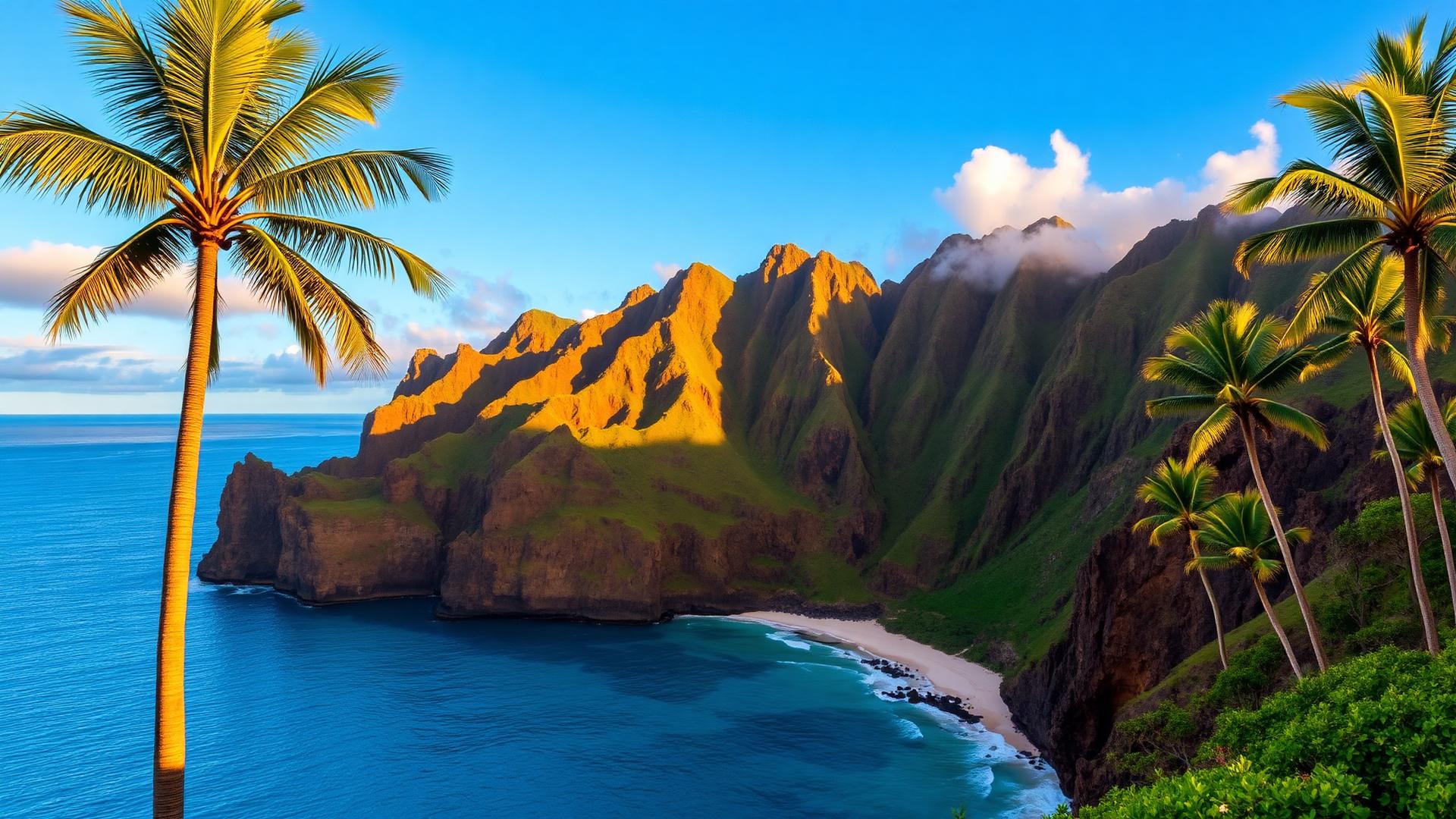
Costa Rica put a quarter of itself under protection and built a country around it: cloud forest, active volcanoes, two very different coastlines and wildlife that walks across the road in front of you. It's the easiest introduction to the tropics there is.
December–April lands in winter for Costa Rica: warm, sunny weather ideal for the coast; prime hiking and outdoor season with the trails and passes open; calm seas and swimmable water.
The classic loop
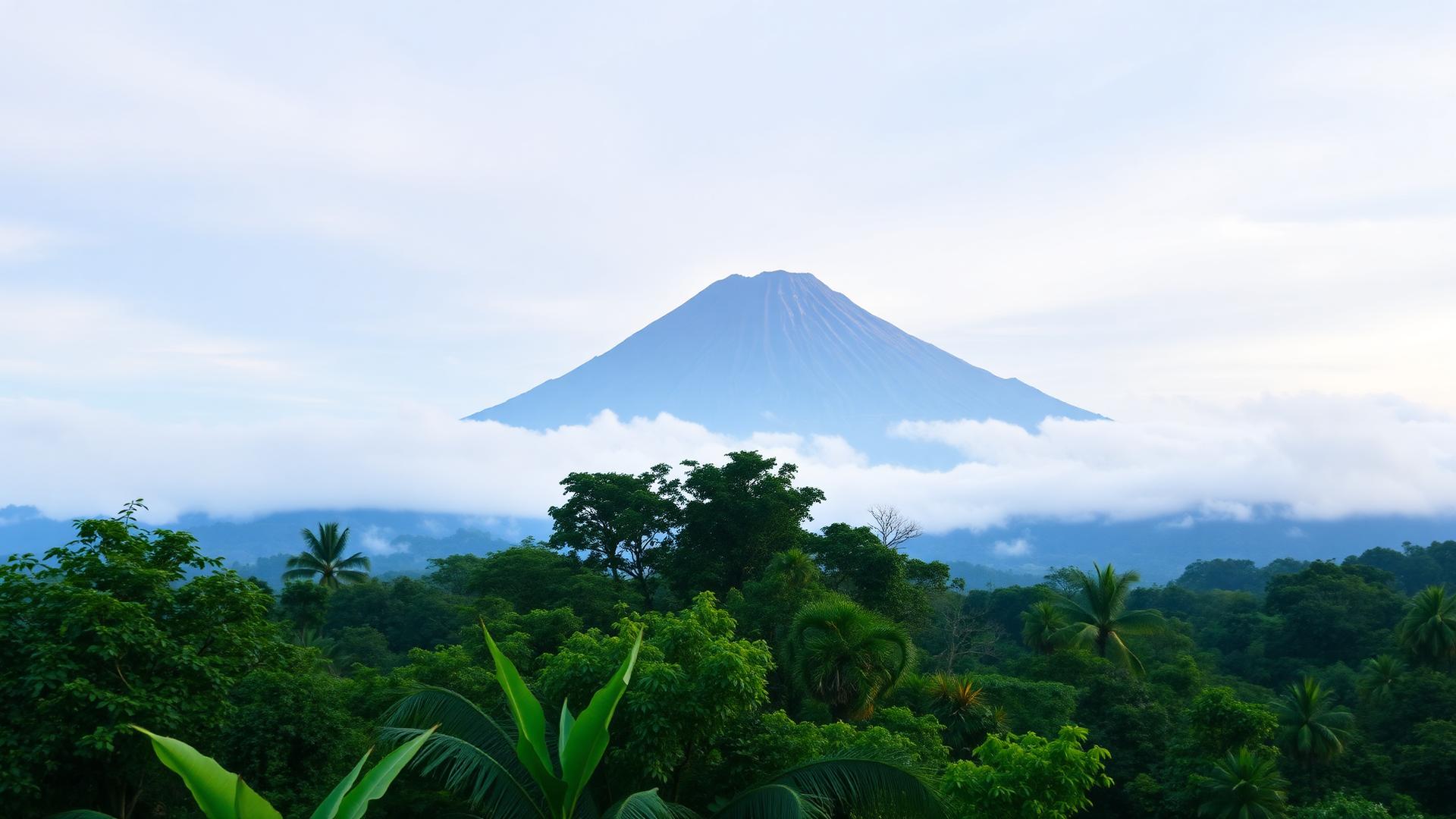
Most first trips string together three or four bases. La Fortuna / Arenal is the volcano hub: the near-perfect cone above town, hot springs fed by it, the hanging bridges, the Río Celeste waterfall (a bewildering chemical blue) and enough ziplines, rafting and canyoning to fill a week.
From there the famous jeep-boat-jeep transfer across Lake Arenal takes you to Monteverde, where cloud forest drips at 1,400 m and the reserves at Monteverde and Santa Elena offer night walks, hummingbird gardens and a genuine chance of a resplendent quetzal between February and July. Bring a rain jacket; it is misty most days by definition.
Then the coast: Manuel Antonio for the easiest wildlife-plus-beach combination in the country, or Nosara / Santa Teresa in Guanacaste for surf towns and long Pacific sunsets. Adding Tortuguero on the Caribbean side, reachable only by boat or plane, gives you canals, caimans and, from July to October, nesting green turtles.
Wildlife, and where to actually see it
Costa Rica holds around 5% of the world's known species on 0.03% of its land. Sloths and capuchins are near-guaranteed at Manuel Antonio and Cahuita; scarlet macaws fly the coast around Carara and the Osa Peninsula; poison dart frogs are easiest at Cahuita and Tortuguero.
For the serious version, Corcovado National Park on the Osa Peninsula is the wildest place in the country, with tapirs, all four monkey species and a real chance of seeing the tracks of a puma. Entry requires a certified guide, and it is a long way from anything, which is precisely the point.
Hire local guides even in the easy parks. They carry a spotting scope and find the eyelash viper and the sleeping owl you'd walk straight past; it is the best money you'll spend.
Two coasts, two moods
The Pacific is the developed side: consistent surf, dry-forest Guanacaste in the north with the country's biggest resorts and reliable sunshine, and the greener, wilder south around Uvita, Dominical and Osa, where whales pass twice a year.
The Caribbean is a different country in feel: Afro-Caribbean and Bribri culture, reggae, rice-and-beans cooked in coconut milk, and the lower-key beach towns of Puerto Viejo and Cahuita. It rains more here overall but has its own mini dry season in September and October, which happens to be the wettest stretch on the Pacific. That inversion is a useful trick for a shoulder-season trip.
Adventure and pura vida
This is where commercial ziplining was invented, and Monteverde and Arenal still do it best. Add whitewater rafting on the Pacuare, one of the world's most beautiful rivers, with two-day trips staying at a river lodge; canyoning and waterfall rappels near La Fortuna; and surf lessons on the gentle beach breaks at Tamarindo, Jacó or Santa Teresa.
Pura vida is the national phrase and a fairly accurate description of the pace. Things run slower than the itinerary you built at home; leave slack in it.
Practicalities
Fly into San José (SJO) or Liberia (LIR), which is much closer to the Guanacaste beaches. Rent a 4x4 with proper insurance: distances are short in kilometres but slow in reality (San José to La Fortuna is 3.5 hours for 130 km), and secondary roads to beach towns can be rough. Shared shuttles between tourist hubs are the easy alternative, and domestic hops on Sansa save a full day to Osa or Tortuguero.
The dry season runs December to April, with the busiest and priciest weeks around Christmas and Easter. May and November are excellent value shoulder months with green landscapes and afternoon-only rain. Costa Rica is not cheap by Central American standards: park fees, guides and tours add up, and it prices closer to southern Europe than to its neighbours. Tap water is drinkable in most of the country, and there's no army, which locals will happily tell you about. For a cheaper, more archaeological take on the region, look at Guatemala and the Ruta Maya.
Want to find more places like Costa Rica?
Answer a few questions and get matched to 170+ destinations worldwide.
Find my matches