Croatia (Dalmatian Coast)
Dalmatia is a thousand-plus islands strung along a Roman-and-Venetian coastline, with water so clear it barely looks real. It is one of Europe's great summer coasts, and it knows it, so timing and island choice make or break the trip.
May–September lands in summer for Croatia (Dalmatian Coast): warm, sunny weather ideal for the coast; prime hiking and outdoor season with the trails and passes open; calm seas and swimmable water.
Split, Dubrovnik and the mainland
Split is the better base of the two big cities: its old town is literally built inside Diocletian's Palace, a Roman emperor's retirement complex now full of bars, apartments and laundry lines. It has the ferry port, an airport and a beach, so you can sightsee and swim in the same afternoon. Climb the Marjan hill for the view and the pine shade.
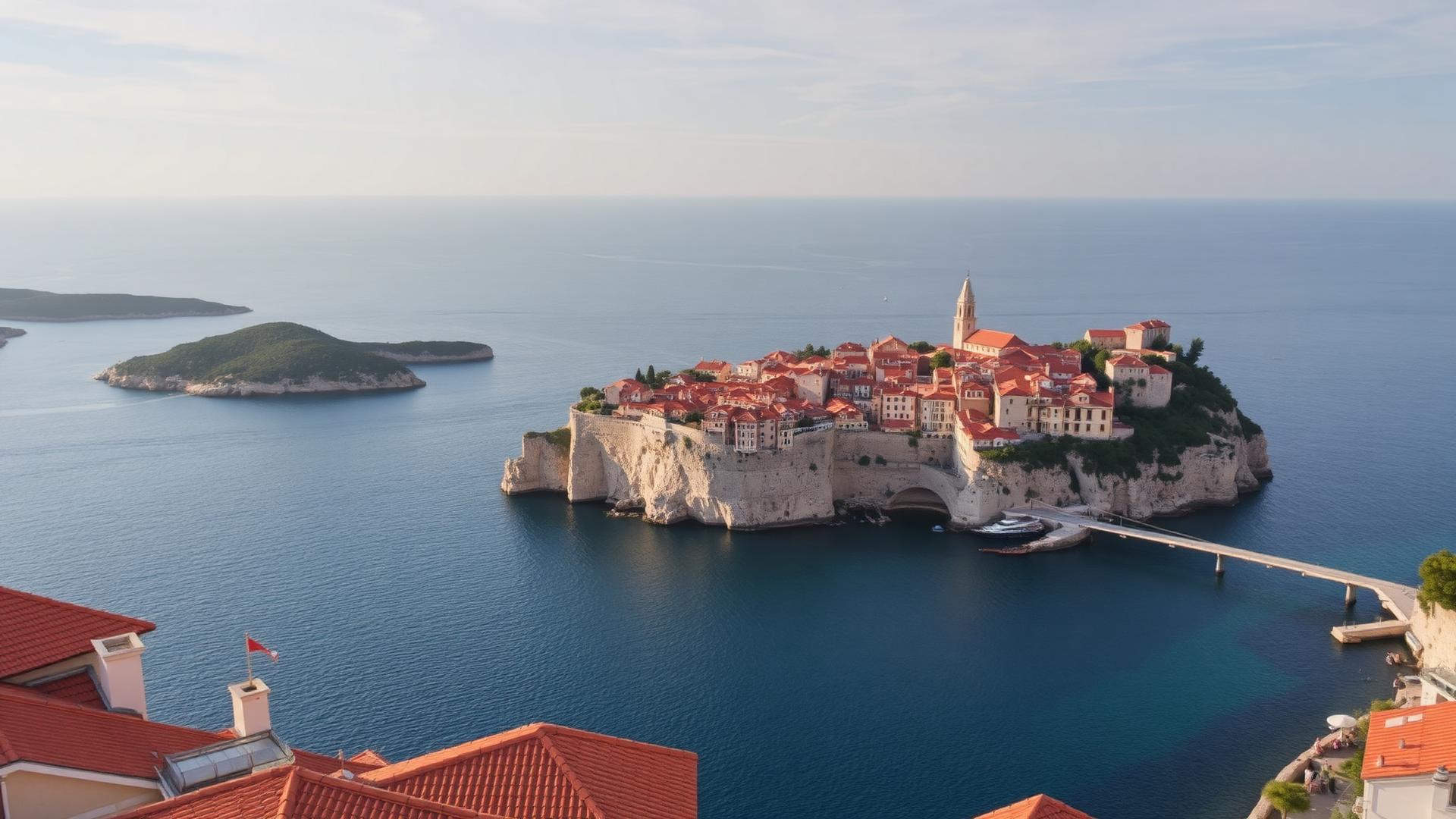
Dubrovnik is the postcard: marble streets, the complete circuit of city walls (walk them at opening time, around 8am, or in the last hour before sunset) and the cable car up Srđ. It is also the most crowded place in the country when cruise ships are in. Stay overnight so you get the early mornings and late evenings when the old town empties out.
Between them, Trogir is a miniature walled town near Split airport, Šibenik has a stone cathedral worth the stop and the Krka waterfalls nearby, and inland Plitvice Lakes is the famous boardwalk park; it deserves a full day and a very early start.
Choosing your islands
Hvar splits in two: Hvar Town is the glossy yacht-and-cocktail scene with the best nightlife on the coast, while the island's north side (Stari Grad, Jelsa) is lavender fields and quiet coves. Brač is closest to Split and has Zlatni Rat, the shifting golden spit that appears on every brochure.
Vis is the sleeper favourite: closed to foreigners until 1989 as a military base, so it stayed unspoilt, with the Blue Cave on nearby Biševo and a genuinely good food scene. Korčula gives you a fortified old town, wine villages and easy links onward to Dubrovnik. For proper escape, Lastovo and the Kornati archipelago are as empty as the Adriatic gets.
Ferries are run mostly by Jadrolinija; car ferries are slower and need booking well ahead in July and August, while fast catamarans are foot-passenger only and sell out early. A realistic plan is two islands in a week, not five.
Sailing and time on the water
The Dalmatian coast is one of the world's easiest sailing grounds: short hops between islands, reliable afternoon maslin winds and a marina or town quay every few miles. Skippered charters out of Split, Trogir or Biograd are the standard way to do it, and splitting a boat between six or eight people often costs less per night than hotels.
If a week afloat is too much, take a day boat from Split to the Blue Cave, Hvar and the Pakleni islands, or rent a small open boat for a day (no licence needed for the smallest engines) and find your own cove. Swimming shoes are genuinely useful; most beaches here are pebble or rock, not sand.
Eating and drinking
Look for a konoba, the family tavern format: grilled fish sold by the kilo, black risotto with cuttlefish ink, and peka, meat or octopus slow-cooked under an iron bell with embers piled on top. Peka usually needs ordering a few hours ahead, which is the sign you have found the right place.
Croatian wine barely leaves the country, so drink it here: Plavac Mali reds from Pelješac and Hvar, crisp Pošip whites from Korčula. Coffee is a social institution rather than a caffeine delivery system; nobody will rush you off a terrace.
Practicalities
Fly into Split (SPU) or Dubrovnik (DBV); both are seasonal-heavy, with far more flights May to October. A car is great for the mainland and the bigger islands but a liability in old towns, where parking is scarce and expensive; many people rent for part of the trip only.
June and September are the sweet spot: hot sea, workable crowds, and prices below the July-August spike, when the coast is full and accommodation doubles. Croatia uses the euro and is in Schengen, so travel from the EU is simple. If you want a quieter, cheaper version of the same coastline, Montenegro is directly south and Albania a little further on.
Want to find more places like Croatia (Dalmatian Coast)?
Answer a few questions and get matched to 170+ destinations worldwide.
Find my matches