Puglia (Italy)
Puglia is the flat, sun-bleached heel of Italy: olive groves that run to the horizon, two very different coastlines, whitewashed hill towns and a food culture built on vegetables, wheat and seafood rather than showmanship.
May and September–October are the two windows that work best for Puglia (Italy): warm, sunny weather ideal for the coast; prime hiking and outdoor season with the trails and passes open; calm seas and swimmable water. The months in between are skipped; they're the peak-season extremes for Puglia (Italy).
How to split the region
Puglia is long: around 400 km from Gargano in the north to Santa Maria di Leuca at the tip. Most trips concentrate on two zones. The Valle d'Itria (Alberobello, Locorotondo, Cisternino, Martina Franca, Ostuni) is the postcard interior of trulli and white towns. Salento (Lecce, Otranto, Gallipoli) is the deep south, with the best swimming and the liveliest summer nights.
Add the Gargano peninsula in the north only if you have ten days or more: it's a forested national park with limestone sea cliffs and the Tremiti islands offshore, and it is a three-hour drive from the Valle d'Itria.
A rental car is essential. Bari and Brindisi both have airports; picking up in one and dropping in the other saves a lot of backtracking.
Trulli, Baroque and the white towns
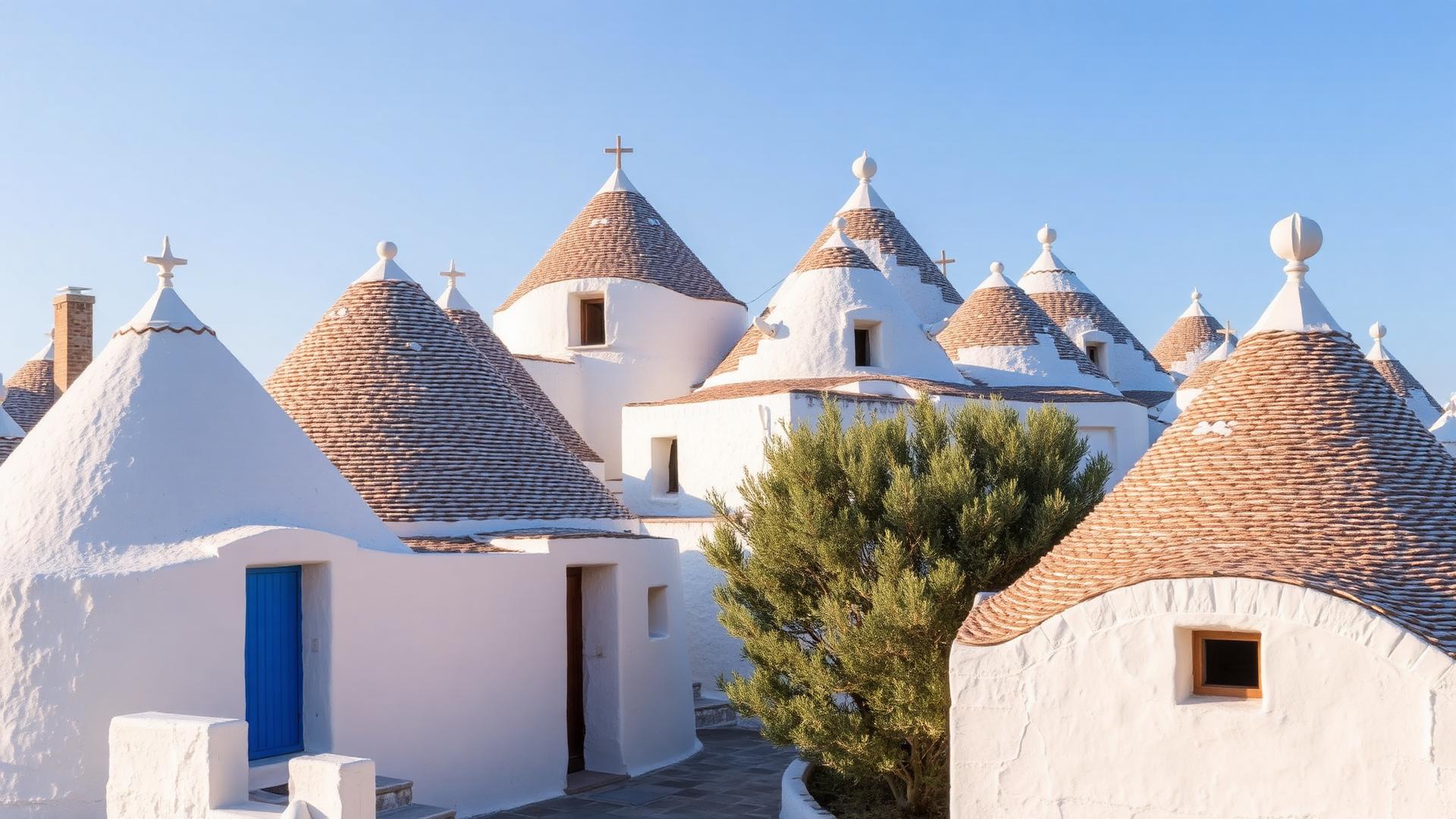
Alberobello has the highest concentration of trulli - drystone cones built without mortar, a UNESCO site, and is worth two hours early or late, when the coach parties are gone. To actually live in one, book a converted trullo in the countryside around Cisternino or Locorotondo instead.
Ostuni, the 'white city', stacks itself on a hill above the olive plain and is the best sunset town in the region. Lecce is the counterweight: a whole city carved out of soft golden limestone into extravagant Baroque, best walked in the evening passeggiata.
Two detours reward the effort - Matera (technically in Basilicata, an hour from Bari) with its cave dwellings, and the strange octagonal Castel del Monte inland from Trani.
Coast and beaches
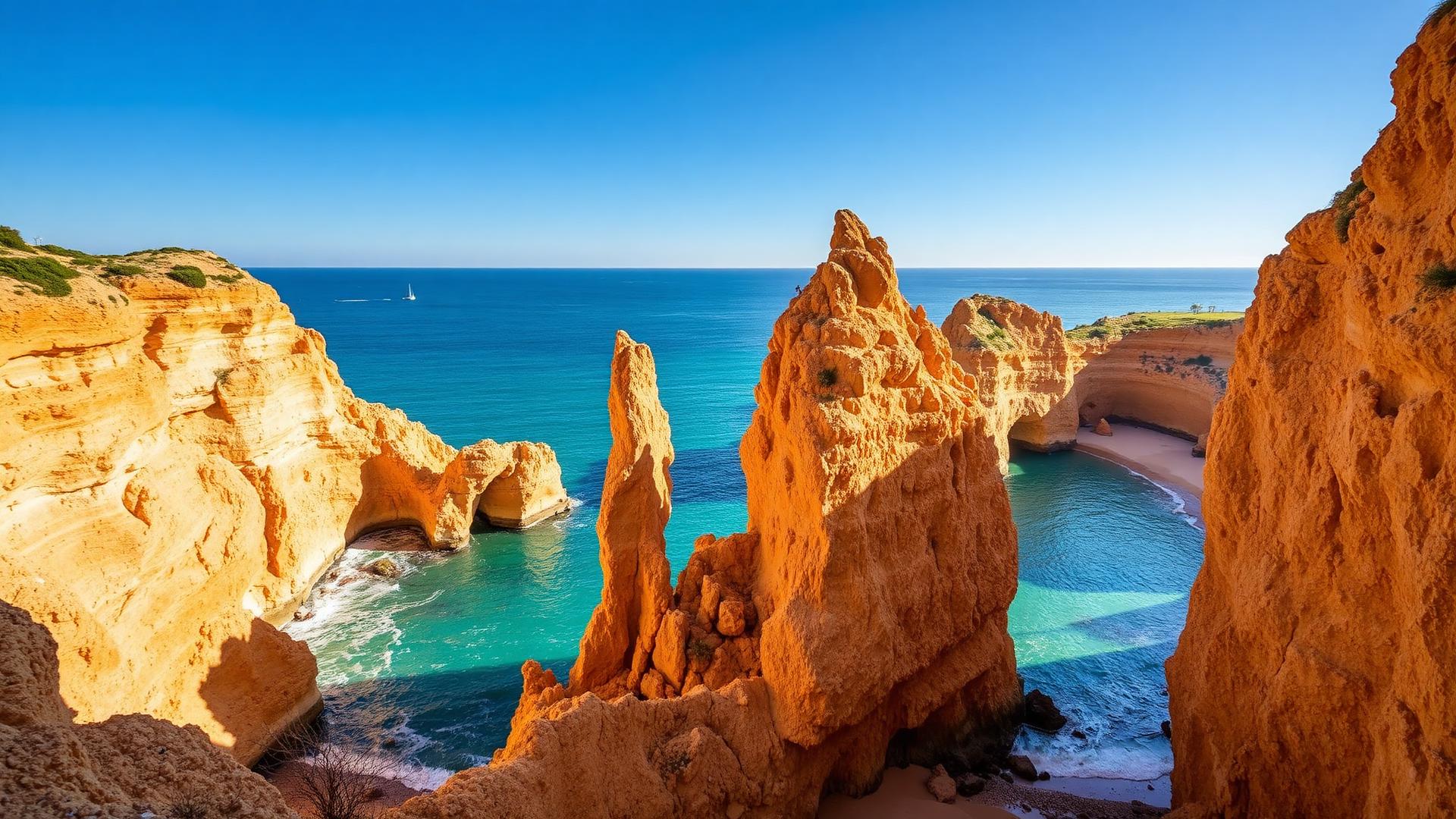
The Adriatic side below Otranto is rocky, clear and dramatic: think swimming platforms and coves rather than sand. The Ionian side around Gallipoli, Punta Prosciutto and Porto Cesareo is where the long white-sand beaches are, shallow and warm, and by August, busy.
Between the Valle d'Itria and the sea sits the Torre Guaceto reserve: protected, undeveloped, and a good antidote to the beach-club strip further south. Bring water shoes for the rocky entries almost everywhere.
Eating in Puglia
This is cucina povera territory and it is very good. Expect orecchiette con cime di rapa, fave e cicoria (broad-bean purée with wild chicory), burrata from Andria eaten the day it's made, raw seafood in Bari and Gallipoli, and puccia sandwiches in Salento. Bread from Altamura is a protected product and worth going out of your way for.
Wines to look for: Primitivo di Manduria and Negroamaro on the red side, and increasingly good rosato. Many masserie - fortified farmhouses turned hotels: grow and cook their own; staying in one is the most Puglian thing you can do.
When to go
May–June and September–October are ideal: sea warm enough to swim, towns awake, temperatures in the mid-20s. July–August is hot (35 °C+ inland), fully booked and expensive, though the coast is at its most alive. Winter is quiet and many coastal businesses close, but Lecce, Matera and the food are all year-round.
Want to find more places like Puglia (Italy)?
Answer a few questions and get matched to 170+ destinations worldwide.
Find my matches