Istanbul (Turkey)
Byzantine capital, Ottoman capital, and now a city of sixteen million spread over two continents. Istanbul rewards a slower trip than most people give it.
April–May and September–October are the two windows that work best for Istanbul (Turkey): hot temperatures without the peak humidity. The months in between are skipped; they're the peak-season extremes for Istanbul (Turkey).
The three Istanbuls
Sultanahmet, on the historic peninsula, holds Hagia Sophia, the Blue Mosque, Topkapı Palace and the Basilica Cistern within a ten-minute walk. It's the sightseeing core, and also the most touristed, priciest-for-what-it-is place to sleep.
Beyoğlu across the Golden Horn. Galata, Karaköy, Cihangir: is the nineteenth-century European city and where modern Istanbul eats and drinks. Best base for most trips.
Kadıköy and Üsküdar on the Asian side are residential, cheaper and full of good food, reached by a 20-minute ferry that is itself one of the best things in the city.
The monuments
Hagia Sophia functions as a working mosque again and might honestly not be worth it anymore for regular visitors: dress modestly, remove shoes, and expect a separate paid upper-gallery entrance for visitors. Go early or at closing. The Blue Mosque next door is free and closed to visitors during the five daily prayers.
Topkapı Palace needs three hours with the Harem ticket, which is the part worth paying extra for. The Basilica Cistern is timed-entry and atmospheric. Slightly further out, the Chora Church (Kariye) has the finest Byzantine mosaics anywhere: worth the taxi.
The Süleymaniye Mosque is Sinan's masterpiece, less crowded than the Blue Mosque, with the best terrace view over the Golden Horn.
Bazaars and shopping
The Grand Bazaar is a 4,000-shop maze; treat it as architecture with commerce attached. Bargaining is expected: start around half, settle near two-thirds, walk away cheerfully. The Spice Bazaar is smaller and better for food; the streets around it (Tahtakale) are where locals actually shop and prices halve.
For rugs, only buy after you've seen three shops. For Turkish delight and pistachios, the old confectioners near Karaköy beat anything inside the bazaars.
The Bosphorus
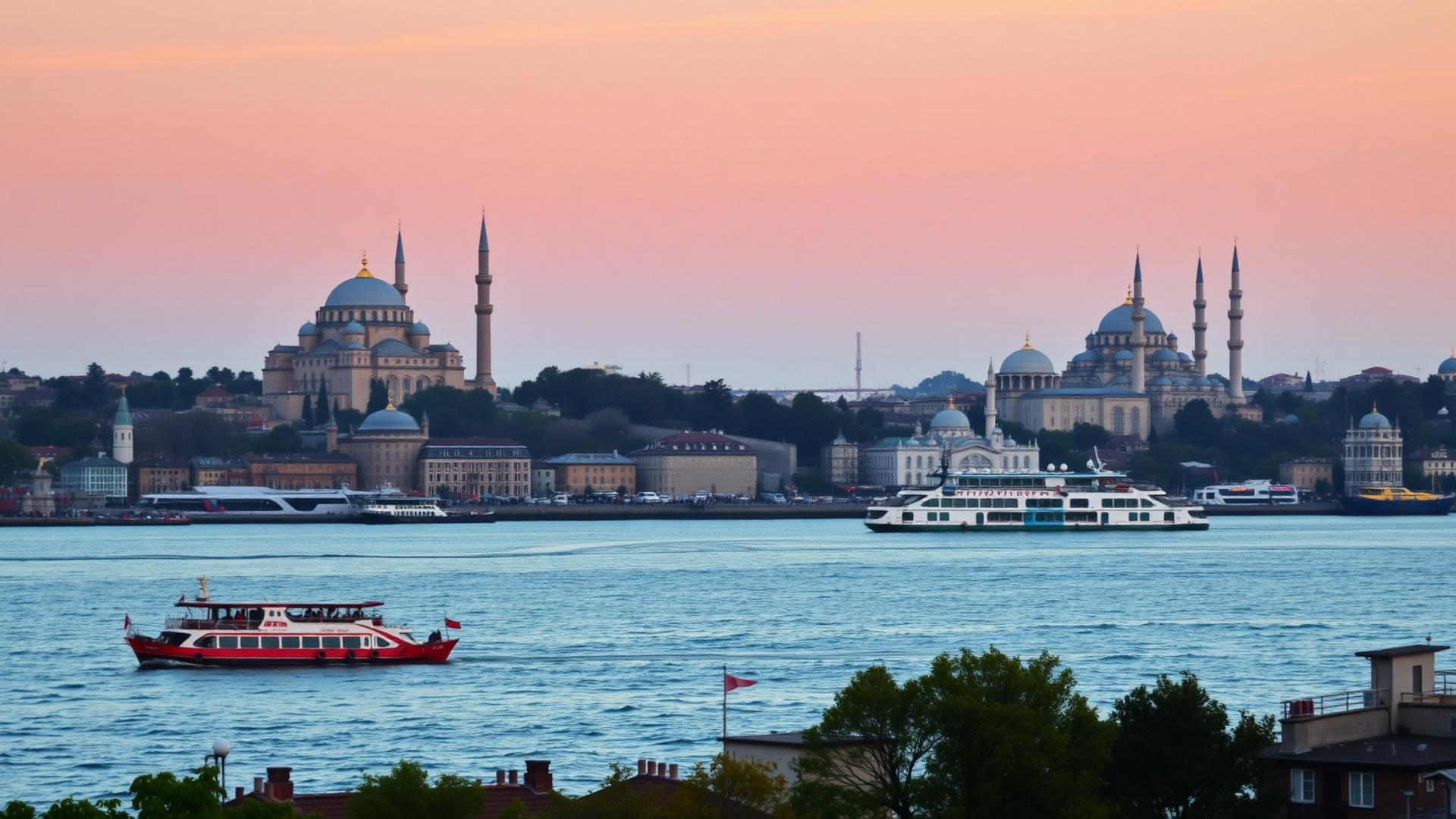
Take the public ferry up the strait to Anadolu Kavağı, or at minimum the commuter crossing to Kadıköy at sunset. It costs almost nothing with an Istanbulkart and shows you the city as it was meant to be seen, from the water, palaces and wooden yalı mansions on both banks.
Stops worth breaking the trip for: Ortaköy for the waterside mosque, Bebek for the café strip, Anadolu Hisarı for the Ottoman fortress. The Princes' Islands (90 minutes) are a car-free day trip of pine woods and old wooden houses.
The cats
Istanbul's street cats are famous for good reason: an estimated hundred thousand of them own the city, and they are loved, fed and photographed in equal measure. You'll find them draped over the walls of the Grand Bazaar, dozing on car bonnets in Karaköy, and winding between the tables of waterfront cafes in Kadıköy.
Locals leave bowls of food and water on corners and step around them; a sunning tabby on a warm bazaar stone is one of the great Istanbul photo ops. Keep a respectful distance, don't grab, and let them come to you. The friendliest colonies cluster around the mosque courtyards and the Eminönü ferry piers.
Eating
Breakfast - kahvaltı - is the great Turkish meal: cheeses, olives, eggs with sucuk, honey and clotted kaymak, endless tea. Give it two hours in Cihangir or Kadıköy on your first morning.
Then: balık ekmek fish sandwiches at Eminönü, kokoreç and midye dolma as street food, İskender and Adana kebabs, and a meyhane night of meze and rakı in Asmalımescit or Kadıköy's Kadife Sokak. Finish with baklava at Karaköy Güllüoğlu.
Practicalities
April–May and September–October are ideal: mild, clear, tulips in spring. Summer is hot and packed; winter is grey and rainy but the mosques and hamams feel right in the cold.
Get an Istanbulkart at any station: it covers metro, trams, buses and ferries at a fraction of single-ticket prices. Taxis should use the meter; ride apps avoid the argument. Traffic on the bridges is brutal, so cross by ferry or metro.
Dress for mosques: shoulders and knees covered, headscarf for women (usually provided). Turkish lira inflation moves fast: pay by card where you can and check prices rather than trusting old guides.
Four days minimum. Five or six lets you add the Asian side and a Princes' Islands day properly.
Want to find more places like Istanbul (Turkey)?
Answer a few questions and get matched to 170+ destinations worldwide.
Find my matches