Jordan (Petra & Wadi Rum)
Jordan delivers more headline sights per mile than almost anywhere: a rock-cut Nabataean city, a desert of sandstone islands, Roman streets, and a sea you cannot sink in. It is also small, safe and easy to drive, so a week goes a long way.
March–May and September–November are the two windows that work best for Jordan (Petra & Wadi Rum): warm, sunny weather ideal for the coast; prime hiking and outdoor season with the trails and passes open; calm seas and swimmable water. The months in between are skipped; they're the peak-season extremes for Jordan (Petra & Wadi Rum).
Doing Petra properly
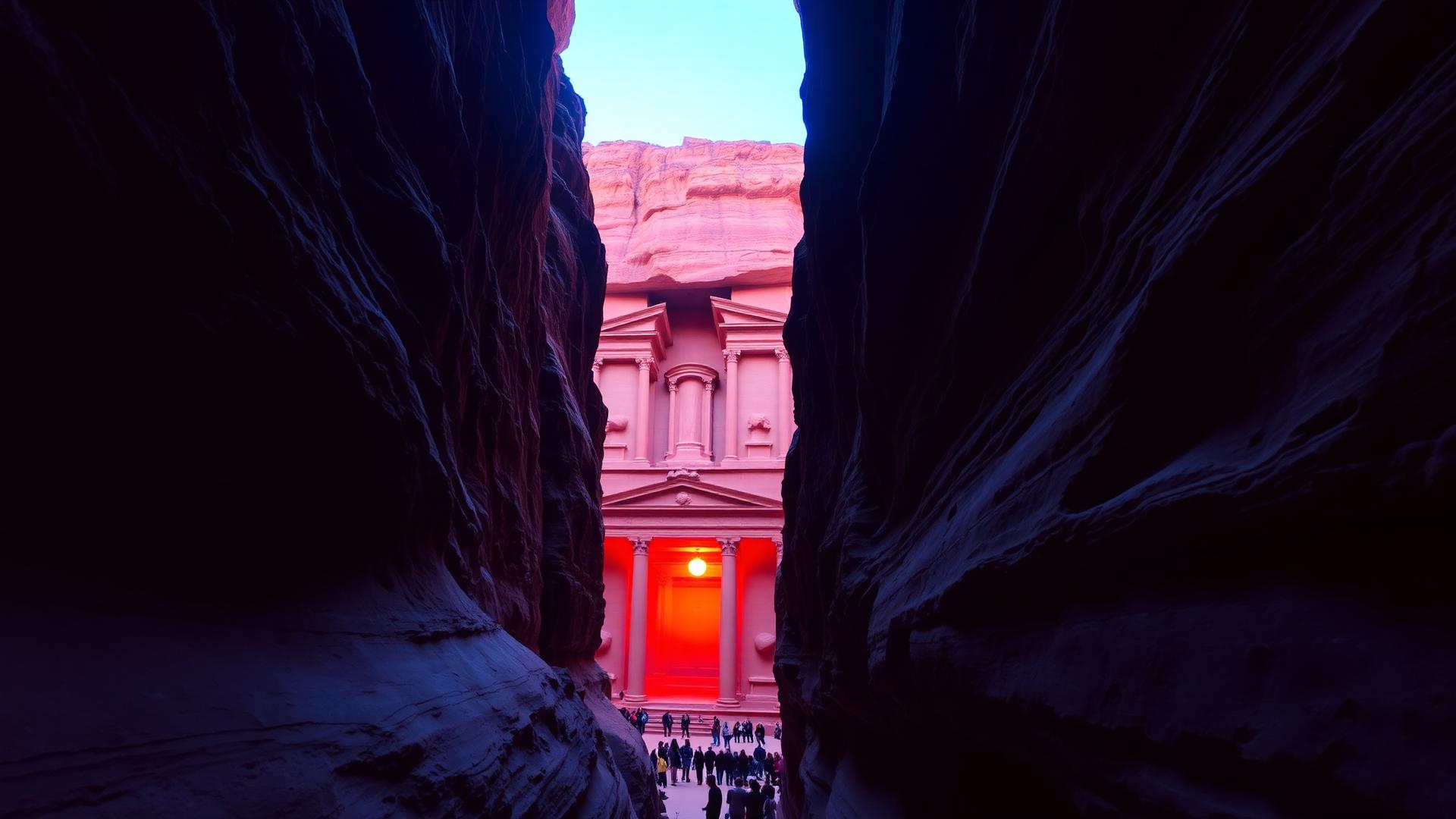
Petra is not a monument, it's a city of tombs spread over a wide valley, and a day trip barely scratches it. Give it two full days. Day one: walk the Siq, a 1.2 km slot canyon that ends with the Treasury framed in the gap, then continue past the Street of Facades and the Royal Tombs to the theatre. Enter before 7am and you may get the Treasury nearly to yourself.
Day two is the climbs. The Monastery (Ad Deir) is 800-plus steps and the single best thing in Petra, quieter and larger than the Treasury; go late afternoon when the sandstone glows and the donkey touts have thinned. The High Place of Sacrifice trail loops down through Wadi Farasa, and the Al-Khubtha trail delivers the aerial view of the Treasury from above. For the more adventurous, the back route from Little Petra arrives at the Monastery on foot with a guide.
Petra by Night (Monday, Wednesday, Thursday) lights the Siq with 1,500 candles. It's atmospheric but crowded and silent-it-is-not; treat it as a bonus, not the main event. Base yourself in Wadi Musa at the gate.
Wadi Rum
Two hours south, Wadi Rum is a protected desert of red sand and vertical sandstone jebels, home to Bedouin communities who run nearly all the tourism. The standard trip is a 4x4 tour for a half or full day (Lawrence's Spring, Khazali canyon inscriptions, the Um Fruth rock bridge, dunes at Burrah) followed by a night in a camp.
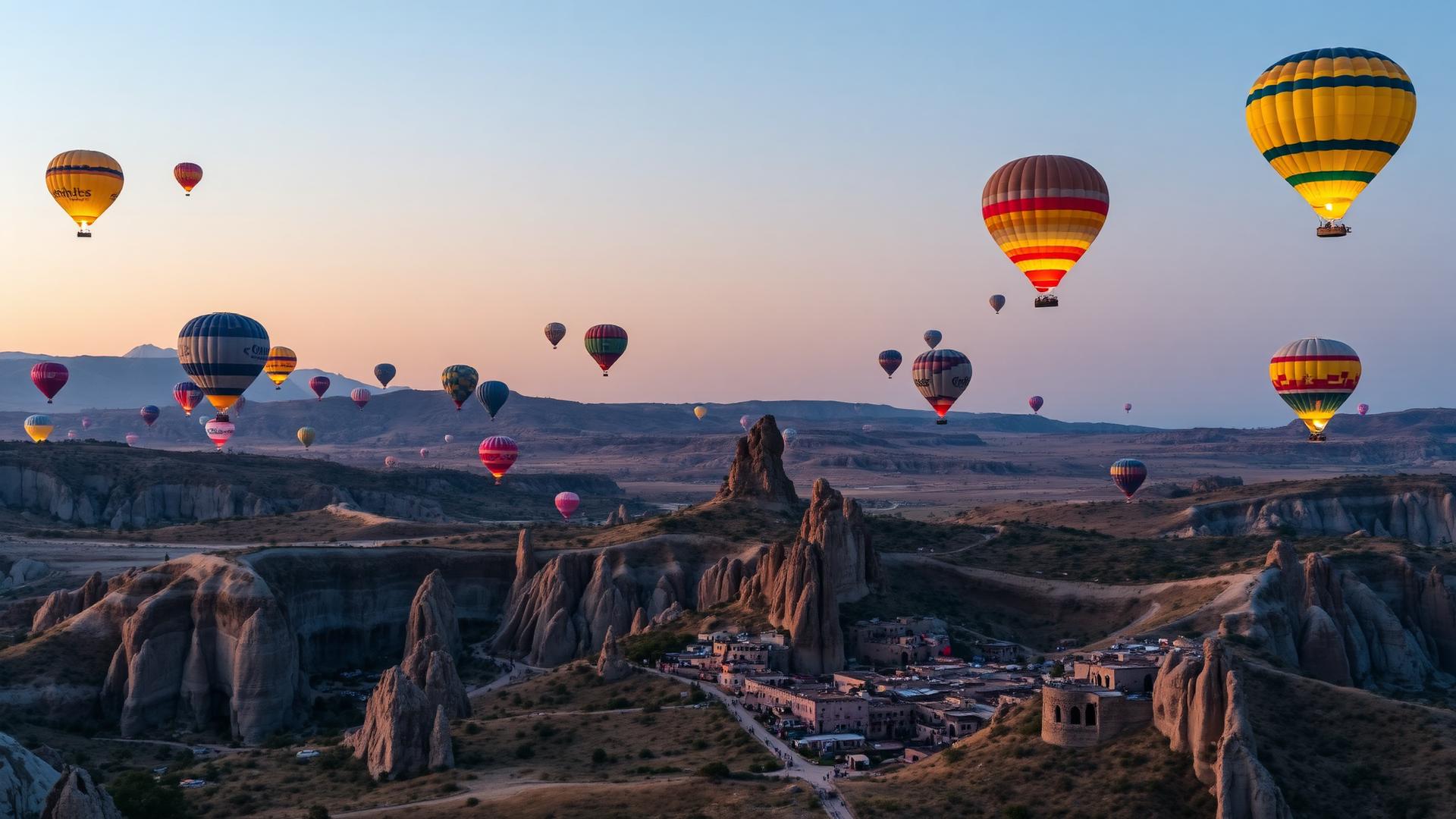
Camps range from mattress-in-a-goat-hair-tent basic to the bubble domes with skylights over your bed. Either way the point is the same: dinner cooked in a zarb, an underground sand oven, and a sky with no light pollution for hundreds of miles. Add a camel ride at sunset or, for something rarer, a dawn hot-air balloon. Nights are cold even in spring, so bring layers.
North of Amman: Roman Jordan
Jerash is one of the best-preserved Roman provincial cities anywhere: a colonnaded cardo with chariot ruts still in the stone, an oval forum, two theatres and Hadrian's Arch. It's 45 minutes from Amman and easily a half day.
Amman itself is worth a night for the Citadel (Roman temple, Umayyad palace, views over the white hillsides), the Roman theatre below, the excellent Jordan Museum holding the Dead Sea Scrolls, and Rainbow Street for dinner. Nearby, Madaba has the sixth-century mosaic map of the Holy Land, and Mount Nebo the view over the Jordan Valley where Moses is said to have seen the promised land.
The Dead Sea, Dana and the Red Sea
The Dead Sea sits 430 m below sea level, the lowest land on earth, and the salinity makes floating involuntary. Use a resort or public beach with fresh-water showers, keep the water out of your eyes, and don't shave the day before. An hour is plenty; the heat down there is punishing in summer.
Dana Biosphere Reserve is the underrated stop: a village of stone houses on a cliff edge above a valley that drops to desert, with hikes from a couple of hours to the full trek down to Feynan Ecolodge, which runs on candles and solar. On the far south coast, Aqaba gives you Red Sea diving and snorkelling on healthy coral, and a lazy day at the end of a hard-driving trip.
Practicalities
Buy the Jordan Pass online before you arrive: it bundles the tourist visa with entry to Petra (up to three days) and 40 other sites, and pays for itself immediately as long as you stay at least three nights. Fly into Amman (AMM) or Aqaba (AQJ).
Renting a car is straightforward and the country is small: Amman to Petra is three hours on the Desert Highway, or a full scenic day on the King's Highway past Madaba, the Wadi Mujib canyon and Kerak castle, which is the better drive if you have the time. March to May and September to November are ideal; summer in Wadi Rum and the Dead Sea regularly passes 40°C, and winter can bring snow to Petra.
Jordan is conservative but relaxed with visitors: cover shoulders and knees away from resorts, and expect endless offers of tea, which are usually genuine hospitality. If you're combining Gulf and desert travel, Oman makes a natural pairing.
Want to find more places like Jordan (Petra & Wadi Rum)?
Answer a few questions and get matched to 170+ destinations worldwide.
Find my matches