Morocco (Marrakech & Atlas)
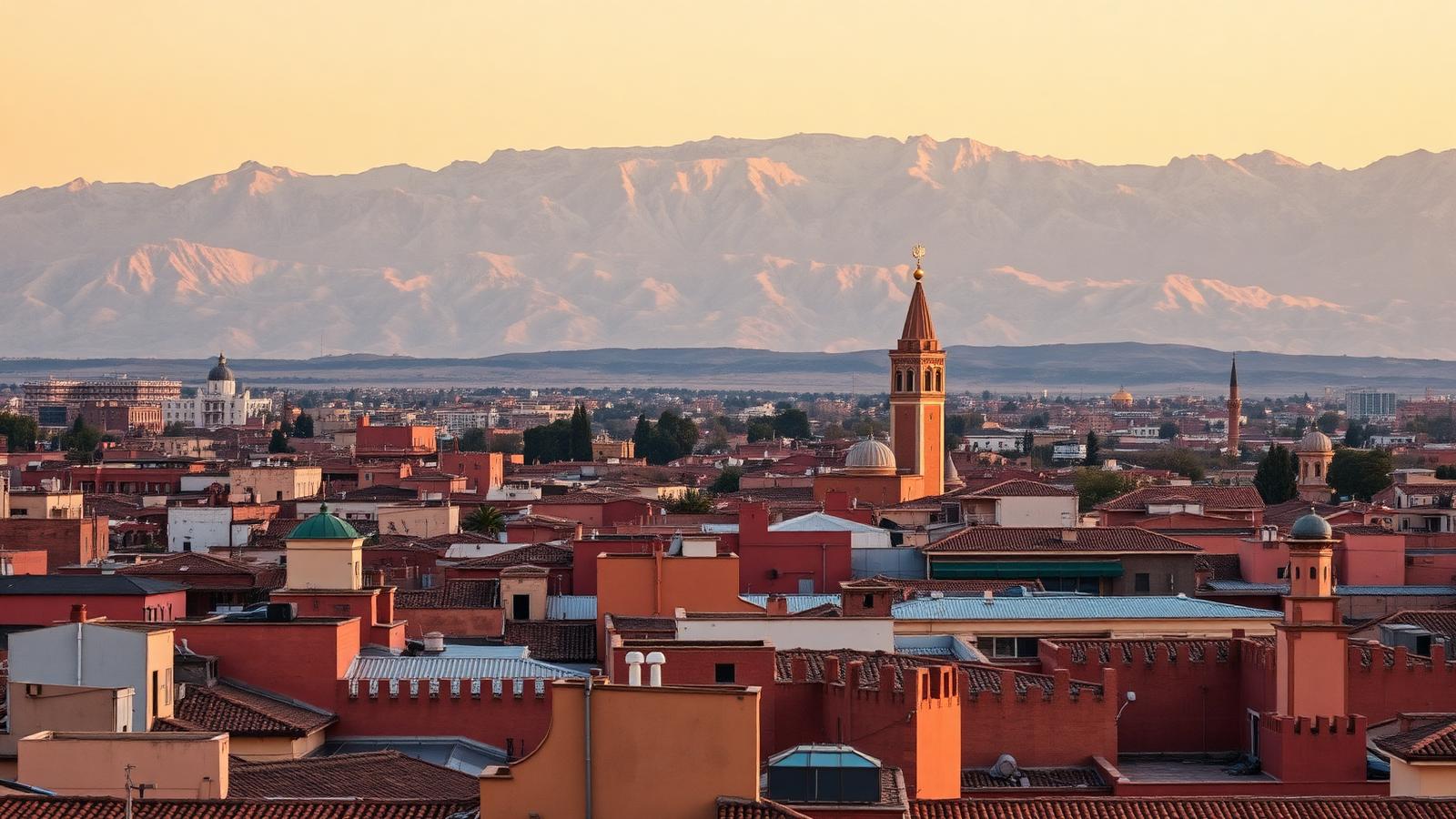
Morocco compresses an enormous amount into short distances: a medieval walled city, 4,000-metre mountains two hours away, and the edge of the Sahara after a day's drive. Marrakech is the door most people come through.
March–May and September–November are the two windows that work best for Morocco (Marrakech & Atlas): warm, sunny weather ideal for the coast; prime hiking and outdoor season with the trails and passes open; calm seas and swimmable water. The months in between are skipped; they're the peak-season extremes for Morocco (Marrakech & Atlas).
Marrakech: the medina and what's in it
Jemaa el-Fnaa is a nearly empty square by day and a food-and-performance carnival after dark: eat at the numbered grill stalls, expect to be hustled cheerfully, and watch it from a café terrace first. The souks spread north in a colour-coded maze: leather, metal, dyers, carpets. Getting lost is the experience; the medina is small enough that you always pop out somewhere.
Fixed points worth booking: the Bahia Palace, the Saadian Tombs, the ruined El Badi Palace, the Ben Youssef Madrasa (the finest Islamic architecture in the city), the Koutoubia (exterior only, non-Muslims can't enter mosques), and Jardin Majorelle with the YSL museum, where you should go at opening or skip.
Stay in a riad: a courtyard house with a plunge pool and a roof terrace. They're cheap by European standards, silent inside despite the noise outside, and a taxi can only get you to the nearest medina gate: expect to walk the last few minutes.
The High Atlas
The mountains start 90 minutes from the city. Imlil is the trailhead village: day hikes to Berber hamlets and waterfalls, an overnight to a refuge, or two days up Jebel Toubkal (4,167 m, the highest peak in North Africa; a licensed guide is now mandatory, and it needs crampons November–April).
Gentler options: the Ourika Valley for a half day, the Ouzoud waterfalls with wild macaques, and the Ait Bougmez valley for a genuinely off-circuit few days. Mule-supported treks with village homestays are the classic Moroccan experience and require no technical skill.
Over the pass to the desert
The Tizi n'Tichka road crosses to Ait Ben Haddou, the mud-brick ksar you've seen in a dozen films, and Ouarzazate's studios. From there the Dades and Todra gorges climb into red rock.
Two dune fields: Erg Chebbi (Merzouga) is 9–10 hours from Marrakech and the bigger, more dramatic sea of sand; Erg Chigaga (via Zagora) is rougher to reach and less visited. Both mean a camel ride at sunset into a tented camp, dinner, drums and unbelievable stars. Three days minimum from Marrakech, four is better: do not attempt the two-day version.
Beyond: Fes, the coast and the blue town
Fes has the older, denser, less touristed medina and the tanneries: many travellers find it the more authentic city. Chefchaouen is the blue-painted Rif town, small and photogenic. Essaouira, three hours west of Marrakech, is windswept, laid-back, full of grilled sardines and gnawa music, the best decompression stop at the end of a trip.
Practicalities
March–May and September–November are ideal. Summer in Marrakech hits 45 °C and the desert is worse; winter is fine by day and genuinely cold at night in the mountains and dunes.
Haggling is expected in souks (start well under, stay friendly, walk away freely) and not in shops with marked prices. Carry cash dirhams in small notes; agree taxi fares in advance or insist on the meter. Unofficial 'guides' who steer you to a shop are a constant in Fes and Marrakech, a firm no works.
Dress modestly (shoulders and knees) outside resorts and beaches. Alcohol exists in hotels and licensed restaurants, not generally in the medina. Solo female travellers should expect street attention and plan accordingly.
For a similar Moorish-architecture thread across the water, see the Andalusia guide; for a bigger-scale ancient-monuments trip, the Egypt guide.
Want to find more places like Morocco (Marrakech & Atlas)?
Answer a few questions and get matched to 170+ destinations worldwide.
Find my matches