Tanzania (Serengeti & Zanzibar)
Tanzania is the classic combination trip: the Serengeti's endless plains and the great migration, the crater floor of Ngorongoro, the roof of Africa on Kilimanjaro, and then an hour's flight to the coral coast of Zanzibar to do nothing at all.
June–October lands in summer for Tanzania (Serengeti & Zanzibar): warm, sunny weather ideal for the coast; prime hiking and outdoor season with the trails and passes open; calm seas and swimmable water.
The northern safari circuit
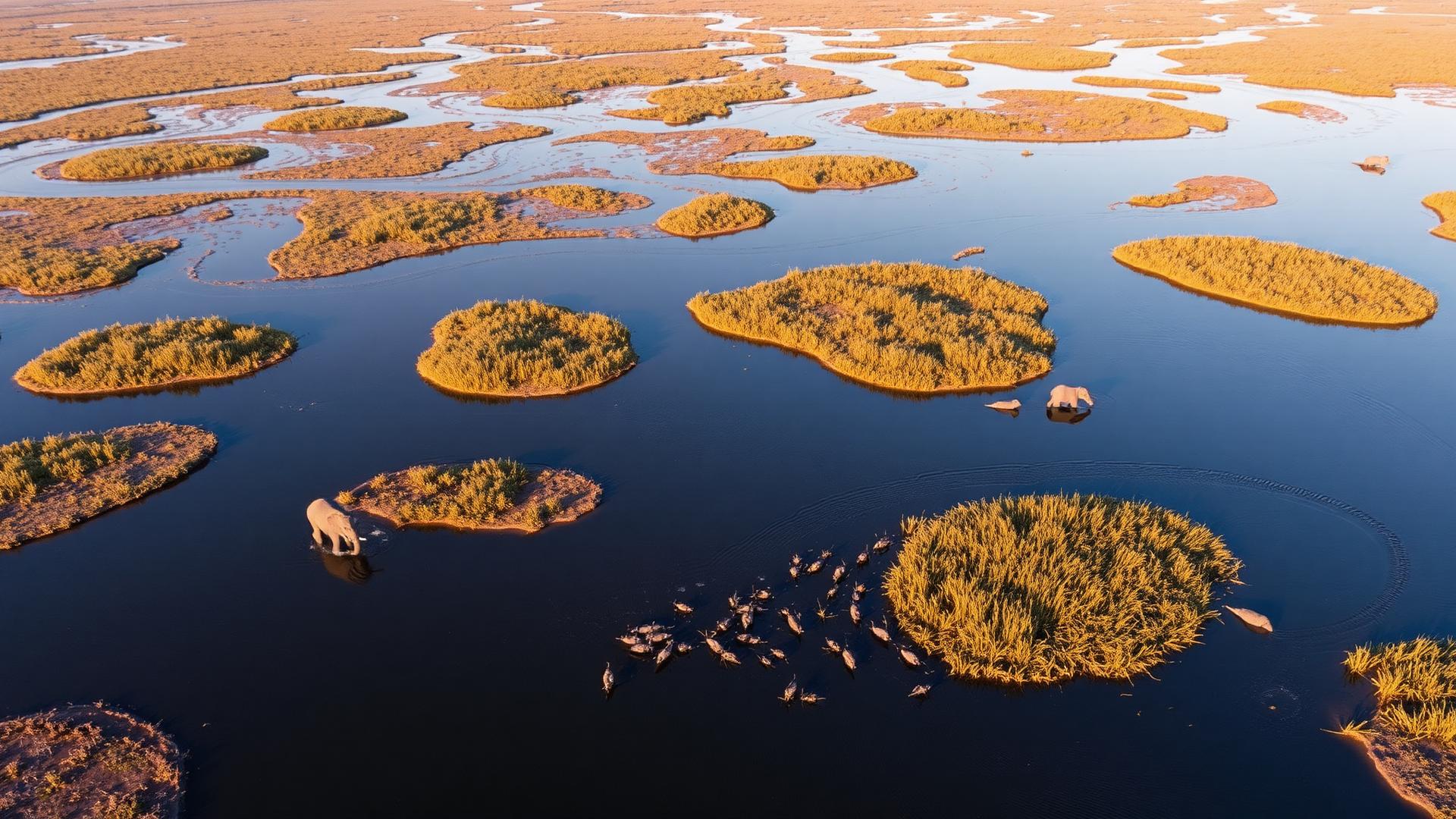
The Serengeti is the centrepiece: 30,000 km² of grassland with the highest lion density in Africa and a resident cast of elephant, leopard, cheetah and giraffe. Ngorongoro Crater is a collapsed caldera holding around 25,000 animals, including one of the best chances of seeing black rhino anywhere.
Round out the circuit with Tarangire, superb for elephant and baobabs from July to October, and Lake Manyara for tree-climbing lions and flamingos. Most itineraries start in Arusha and run 5-8 days by road, or fly between airstrips to save time.
Timing the great migration
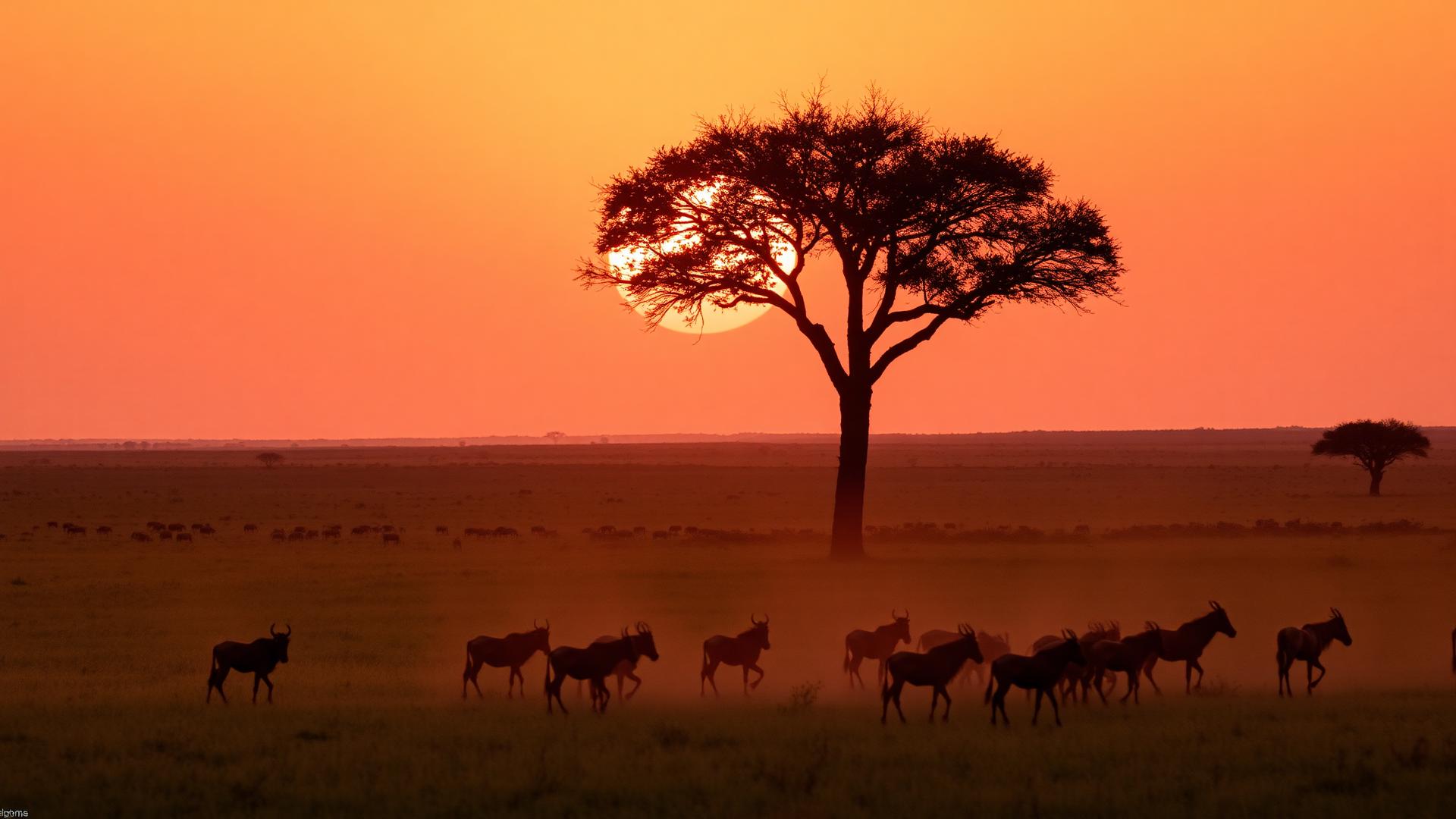
Two million wildebeest and zebra move in a rough clockwise loop, so when you go determines where you stay. December to March: calving season on the southern Serengeti plains around Ndutu, with huge herds, newborns intense predator action.
April to May: the herds move west and north through the rains. June to July: the Grumeti River crossings in the west. August to October: the famous Mara River crossings in the northern Serengeti near the Kenyan border. Book camps in the right sector for your dates, a Serengeti lodge in the wrong region can be hundreds of kilometres from the herds.
Zanzibar & the coast
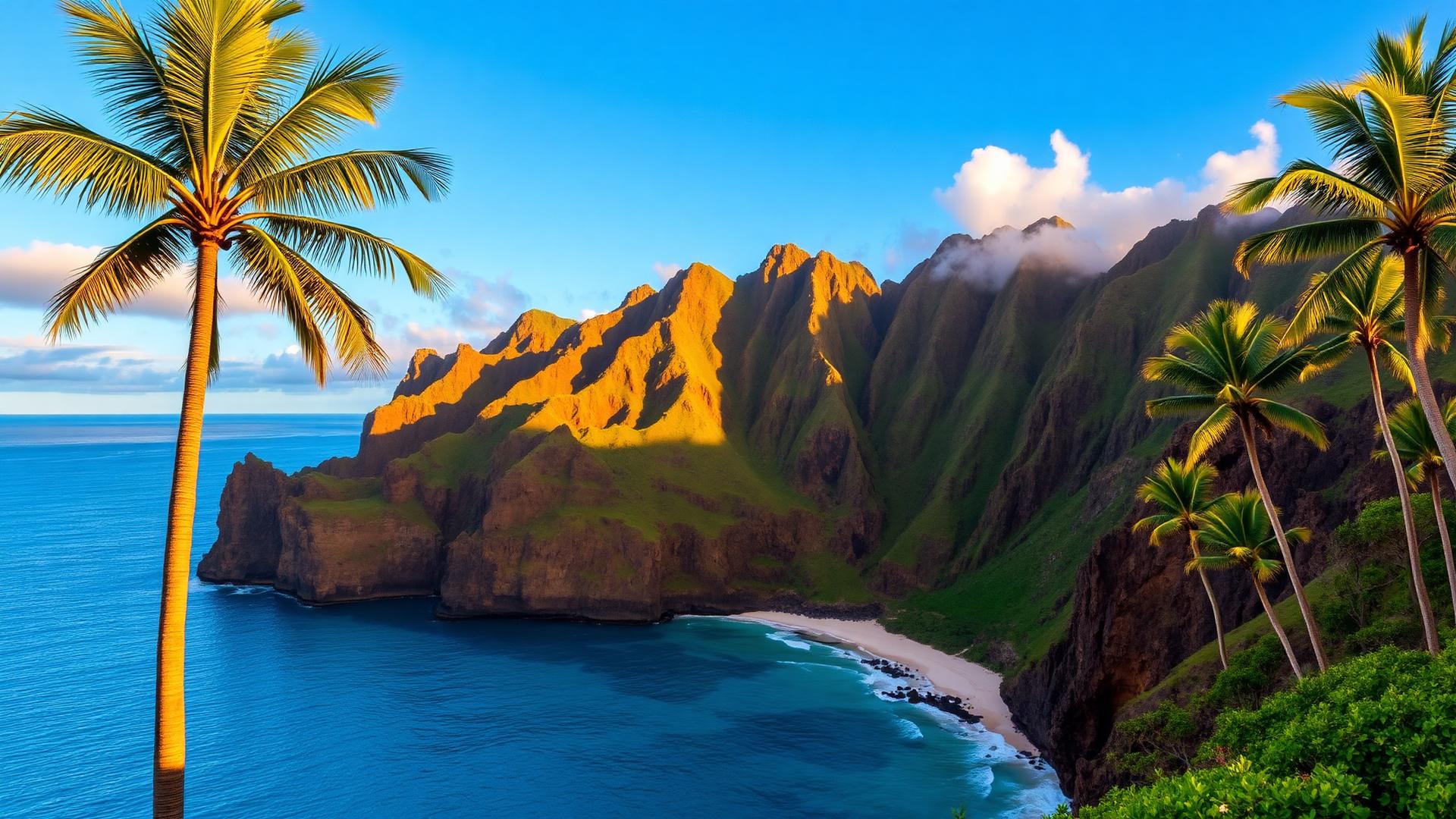
Stone Town is a UNESCO-listed maze of Swahili, Omani and Indian architecture, carved doors and spice markets: give it a full day and a night, and eat at the Forodhani night market. Then head to the beaches: Nungwi and Kendwa in the north have swimmable water at all tides and the liveliest scene; Paje and Jambiani in the southeast are kitesurfing country with dramatic tidal flats; Matemwe and Pongwe are the quiet choices.
Snorkel or dive at Mnemba Atoll, take a spice-farm tour, or visit Jozani Forest for red colobus monkeys. Four to six nights after safari is about right, the contrast is the point.
Kilimanjaro & practicalities
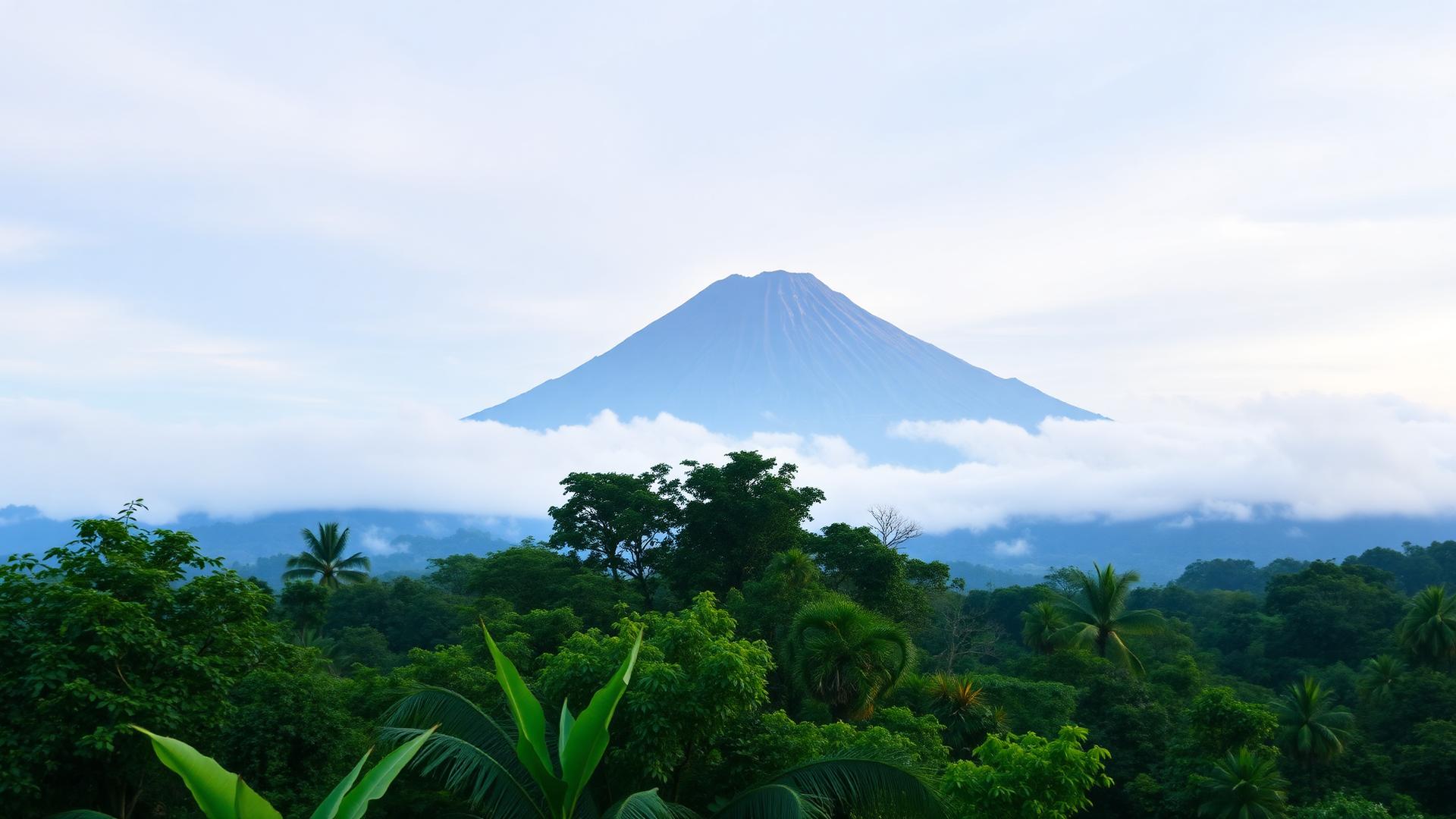
Kilimanjaro (5,895 m) is a non-technical trek but a serious one; success rates rise sharply on longer routes. Choose the 8-day Lemosho or 7-day Machame over the short Marangu route, and go in January-March or June-October.
Fly into Kilimanjaro (JRO) for the safari circuit and Zanzibar (ZNZ) or Dar es Salaam (DAR) for the coast; internal flights link them daily. Most nationalities need a visa (available online). Yellow fever certificates are required if arriving from an endemic country, and malaria prophylaxis is strongly advised. On Zanzibar, dress modestly away from the beach: it's a conservative Muslim island.
When to go & what it costs
June to October is the dry season: the safest all-round choice for wildlife, Kilimanjaro and the coast. January to February is the other excellent window: calving season, hot beach weather, fewer crowds. Avoid the long rains of April and May, when many camps close.
Tanzania is more expensive than most of East Africa because park fees are high. Allow roughly $350-600 per person per day for a quality mid-range safari including guide, vehicle and park fees, then far less on Zanzibar: comfortable beach hotels sit around $100-250 per night for two.
Want to find more places like Tanzania (Serengeti & Zanzibar)?
Answer a few questions and get matched to 170+ destinations worldwide.
Find my matches