Botswana (Okavango Delta)
The Okavango is a river that never reaches the sea: it spills into the Kalahari and creates a seasonal wetland the size of a small country. Botswana protects it with a deliberate low-volume, high-value policy, which means fewer vehicles, wilder camps and some of the finest safari on the continent.
May–October lands in the southern winter for Botswana (Okavango Delta): hot temperatures without the peak humidity; prime hiking and outdoor season with the trails and passes open; wildlife is easiest to spot around waterholes.
How the Delta works
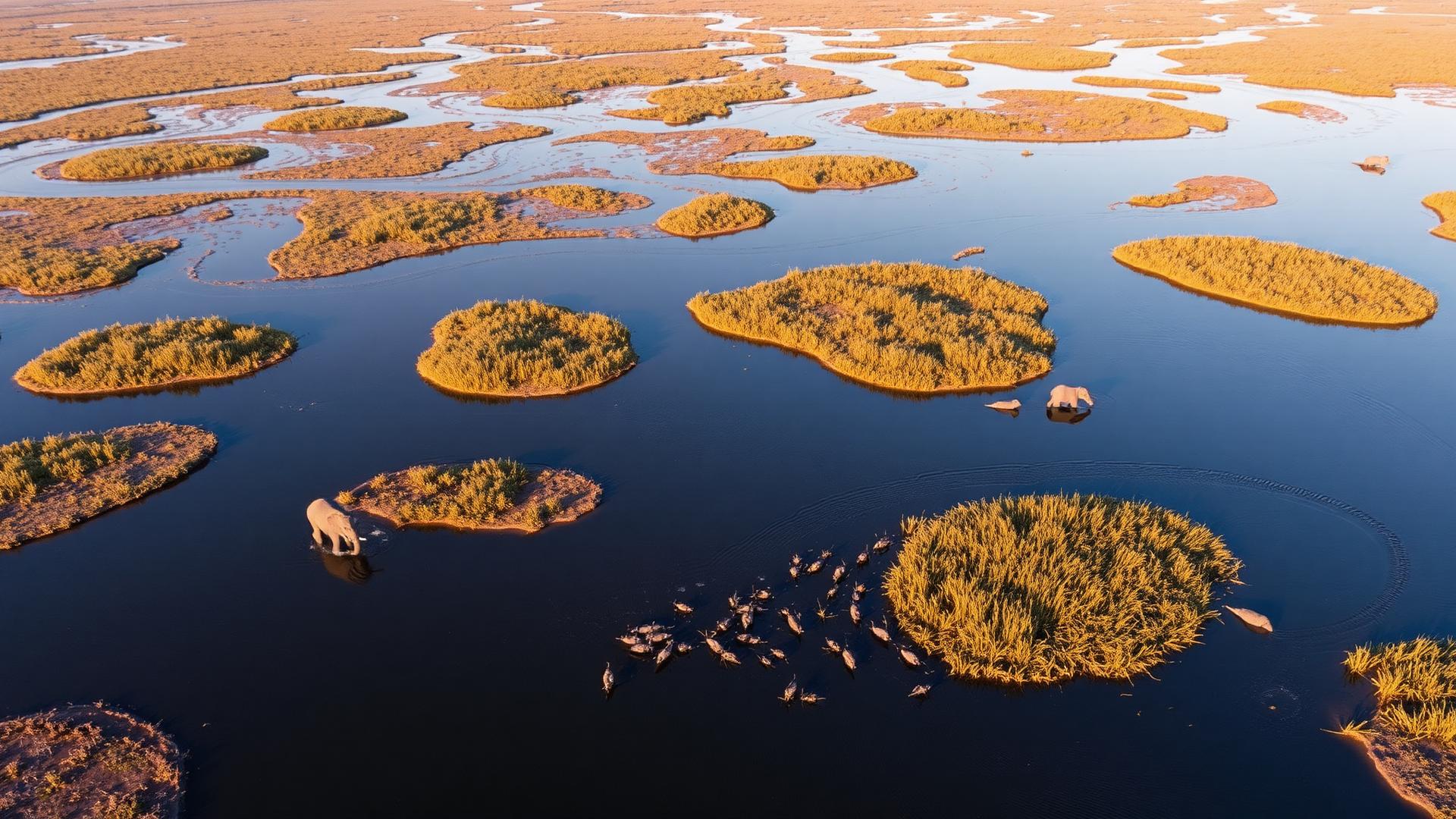
The paradox of the Okavango is that its flood peaks in the dry season. Rain falls in the Angolan highlands from December, and the water takes months to arrive: filling the channels between roughly June and September, exactly when the surrounding Kalahari dries out and wildlife concentrates on the water.
Camps sit on islands and in concessions, most reached by light aircraft from Maun. Water camps offer mokoro (dugout canoe) and boat activities; land camps offer game drives and walking safaris. The best trips combine both, plus a third area for contrast.
Wildlife and the mokoro
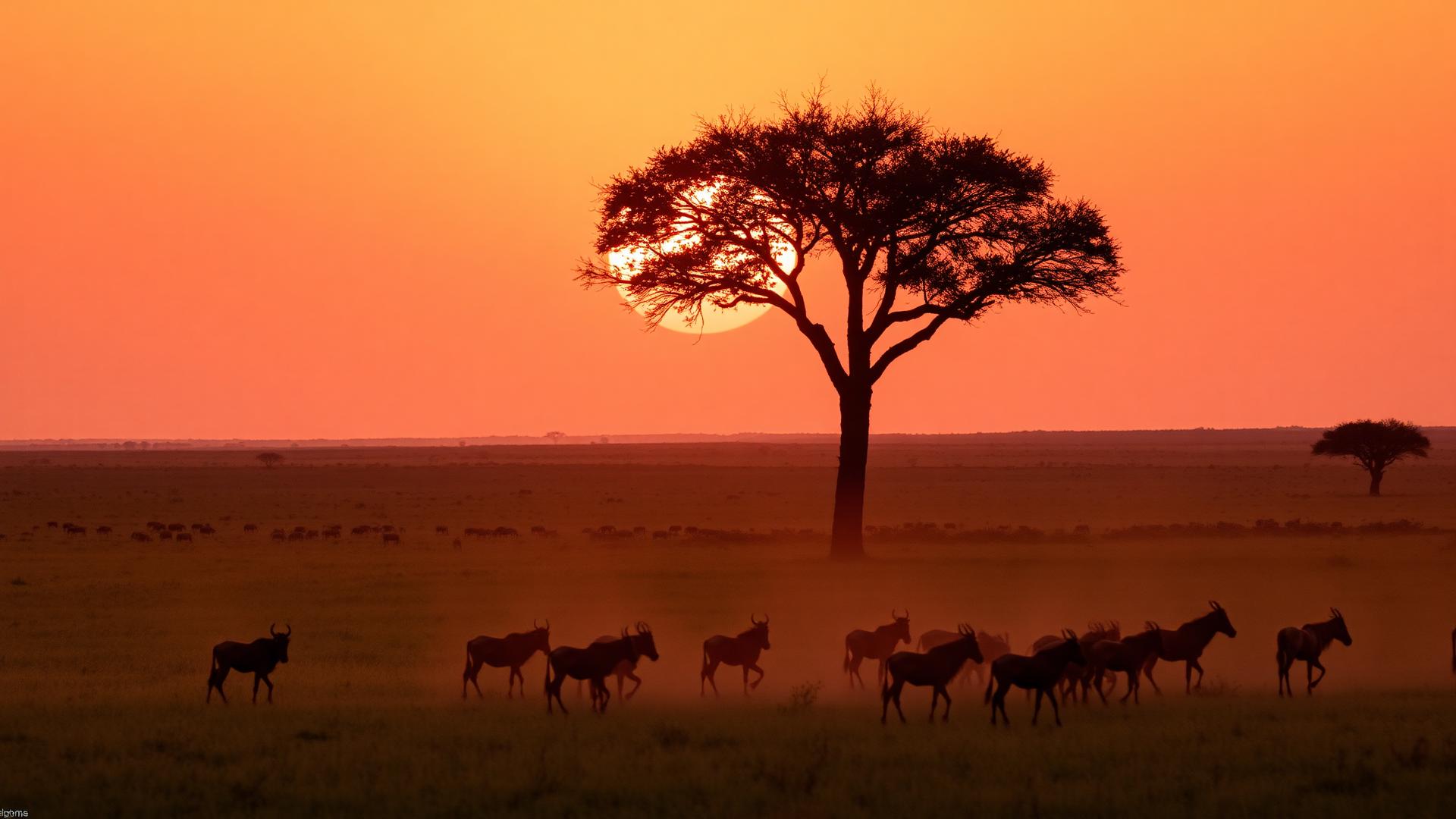
Expect elephants in extraordinary numbers, buffalo herds, hippo and crocodile, red lechwe splashing through the shallows, and strong predator viewing: lion, leopard and one of Africa's most important African wild dog populations. The Moremi Game Reserve is the classic public-access core.
A mokoro glide at dawn is the signature Delta experience: poled silently through papyrus at eye level with reed frogs and lily pads. Guided walking safaris in private concessions are permitted where national parks forbid them, and change how you read the bush entirely.
Combining with Chobe and the Kalahari
Chobe National Park, three hours from Kasane, holds the densest elephant population in Africa; the sunset boat cruise on the Chobe River is unlike anything in the Delta. It also connects easily to Victoria Falls across the border in Zimbabwe or Zambia.
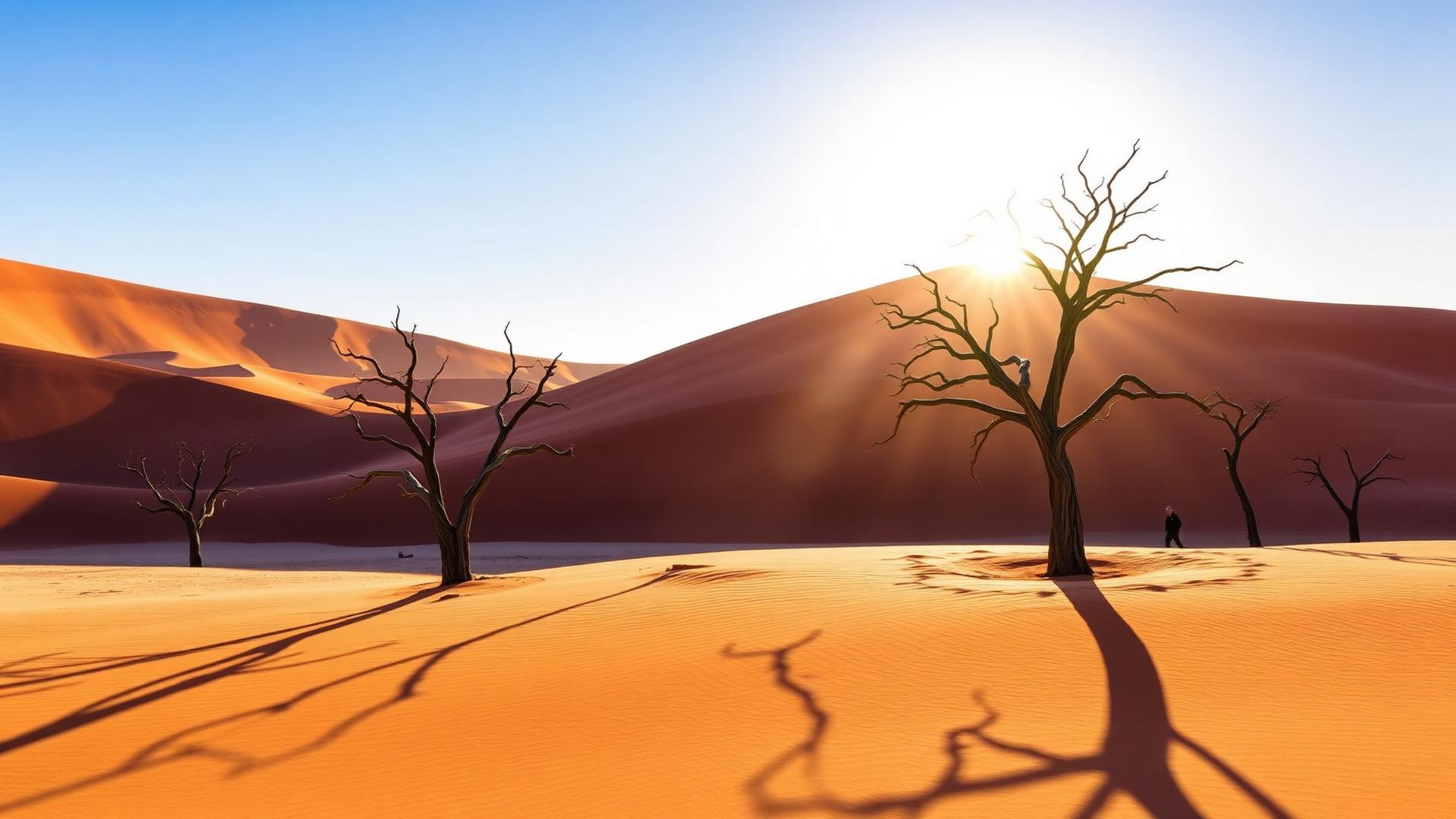
For a stark contrast, add the Makgadikgadi Pans - salt flats, meerkats and quad-bike horizons, or the Central Kalahari for black-maned lions and empty space. A classic route is Delta water camp → Delta land camp → Chobe → Victoria Falls, over ten to twelve days.
Costs & how to book
Botswana is not a budget destination. Fly-in camps typically run $700-1,600 per person per night all-inclusive in high season; shoulder-season and mobile-camping safaris bring that down substantially, and self-drive 4×4 camping in Moremi and Chobe is the genuinely affordable option for experienced overlanders.
Book 9-12 months ahead for June-September, the good camps are small and sell out. Prices include flights between camps, all meals, drinks and activities; budget separately for the international flight and park fees.
When to go & practicalities
May to October is the dry season and peak game viewing, with July-September the classic window when the flood is high and the bush is thin. November to April is the green season: dramatic skies, newborn animals, superb birding, far lower prices and some camps closed by the rain.
Fly into Maun (MUB) via Johannesburg, or Kasane (BBK) for Chobe. Light aircraft impose strict luggage limits: typically 20 kg in a soft bag. Malaria prophylaxis is advised for most of the country; nights in winter can drop near freezing on early game drives, so bring layers.
Want to find more places like Botswana (Okavango Delta)?
Answer a few questions and get matched to 170+ destinations worldwide.
Find my matches