Argentina (Buenos Aires & Mendoza)
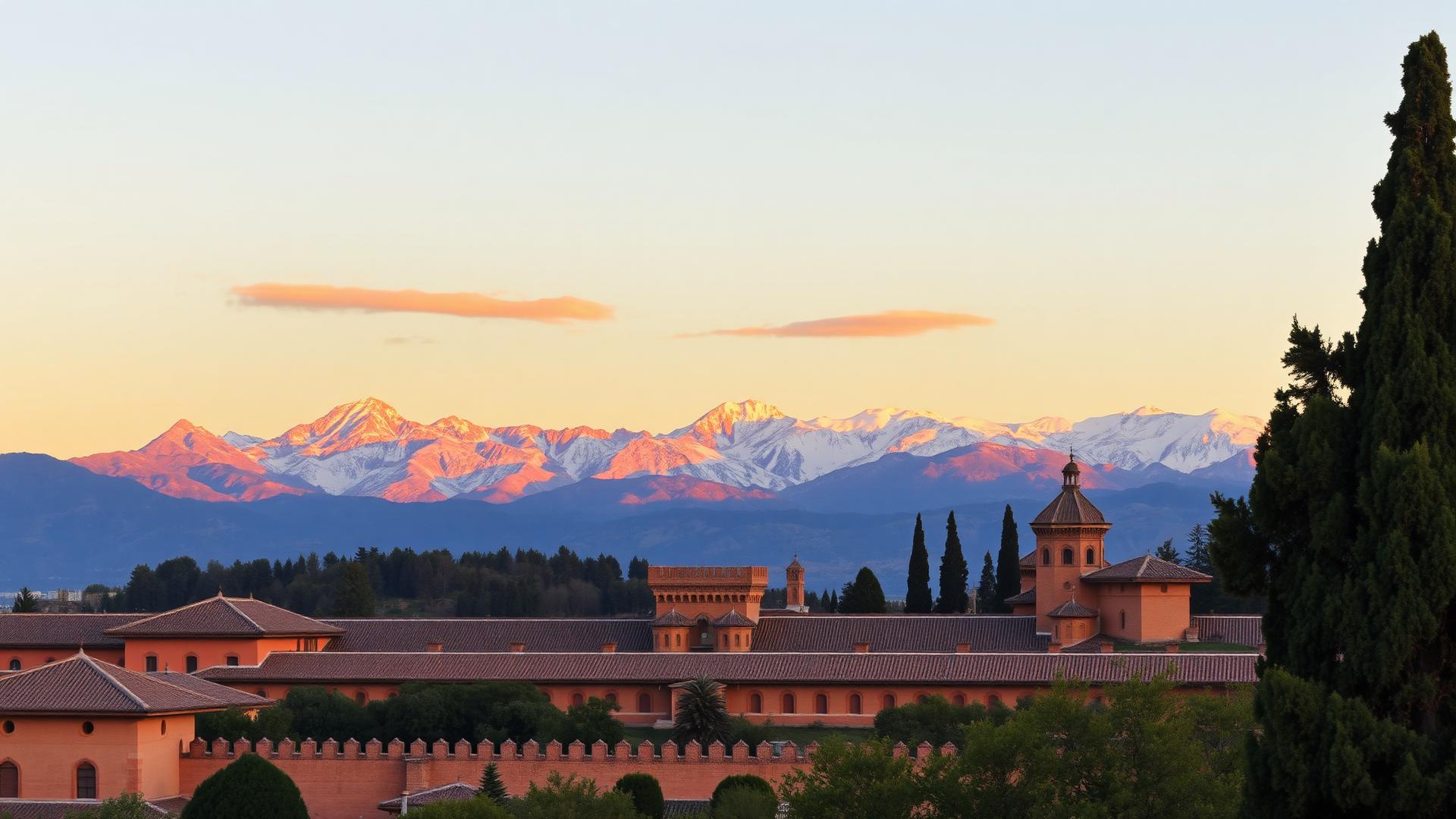
Argentina's classic first trip is a tale of two indulgences: Buenos Aires, a city of tango, late dinners and bookshops in former theatres, and Mendoza, where Malbec vines run in green rows to the foot of the snow-capped Andes. It's one of the world's great food-and-wine journeys, and astonishing value.
March–May and September–November are the two windows that work best for Argentina (Buenos Aires & Mendoza): hot temperatures without the peak humidity; prime hiking and outdoor season with the trails and passes open. The months in between are skipped; they're the peak-season extremes for Argentina (Buenos Aires & Mendoza).
Buenos Aires: how the city works
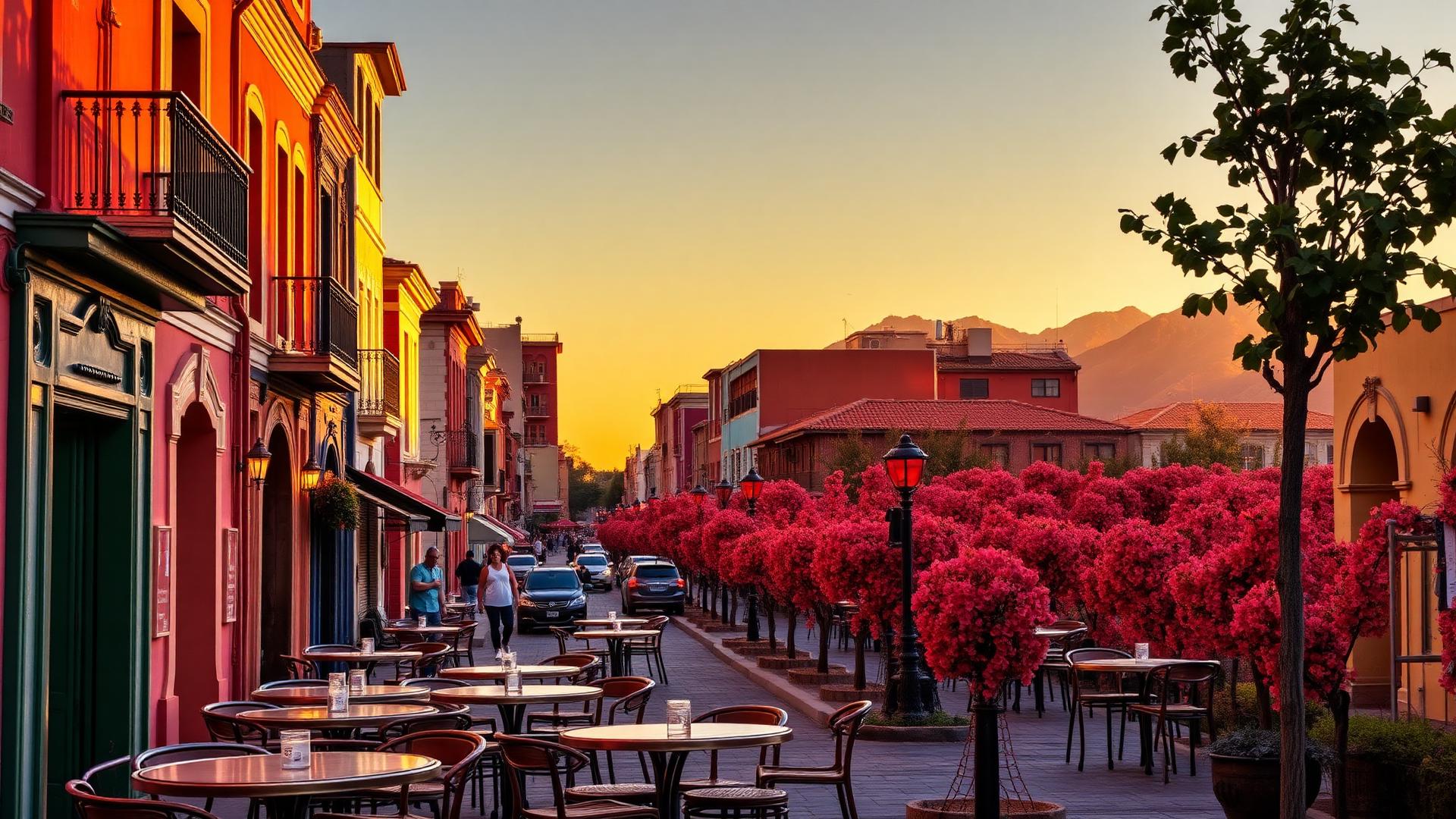
BA is a city of barrios, and where you stay shapes the trip. Palermo (Soho and Hollywood) is the leafy heart of restaurants, bars and boutiques, and the best base for most visitors. Recoleta is grand and European, with the famous cemetery. San Telmo is the old quarter: cobbles, antique markets and tango on the streets on Sundays. La Boca is photogenic but touristy; go for an hour in daylight, don't linger after dark.
Porteños eat late and go out later. Restaurants fill at 10pm, bars after midnight, clubs from 2am. Shift your body clock on day one or you'll spend the week eating alone.
Steak, tango and the essentials
The parrilla (steakhouse) is a religious institution. Order the bife de chorizo (sirloin) or ojo de bife (ribeye) with a bottle of Malbec at a neighbourhood spot rather than the famous-name tourist parrillas. Sunday asado (barbecue) is the real national ritual; some experiences and closed-door restaurants will seat you at one.
For tango, skip the giant dinner-show spectacles unless you love theatre, and go to a milonga, a real dance hall where locals dance until 4am, or a small live show in San Telmo. El Ateneo Grand Splendid, a bookshop in a converted 1919 theatre, and the Sunday San Telmo market round out the essentials.
Mendoza and the Andes
Mendoza sits at the foot of the Andes, an easy 1.5-hour flight from BA. The wine country divides into three areas: Luján de Cuyo (the historic heartland, closest to town), the Uco Valley (higher, newer, more spectacular, with the mountains as a constant backdrop), and Maipú (smaller and bike-friendly). The Uco Valley is the one not to miss.
Wineries range from cathedral-like estates to tiny family bodegas. Book tastings ahead; the multi-course winery lunches with pairings (Siete Fuegos at The Vines is the famous one) are the highlight of the whole region for many travellers. Rent a driver or join a tour; drink-driving limits are strict.
With a spare day, drive the road toward Aconcagua, the highest peak outside Asia. Even without climbing, the high-Andes scenery at Puente del Inca and the Aconcagua viewpoint is worth the trip, best between November and March when the pass is reliably clear.
Money, seasons and practicalities
Argentina's economy is famously volatile, which mostly works in the visitor's favour: check the current exchange situation before you go, as the gap between official and market rates changes often, and card payment rules with it. Bring some clean US dollar bills as backup; they are widely welcomed.
Spring (September to November) and autumn (March to May) are ideal in both regions: warm days, harvest atmosphere in Mendoza in March and April, and jacaranda season turning BA purple in November. BA's summer (December to February) is hot and sticky, when locals flee the city.
Distances in Argentina are continental. If you're extending the trip, Iguazú Falls (a 2-hour flight) and Patagonia (3.5 hours to El Calafate) are the two great add-ons, and our Patagonia guide covers the south in detail.
Want to find more places like Argentina (Buenos Aires & Mendoza)?
Answer a few questions and get matched to 170+ destinations worldwide.
Find my matches