Barcelona
Barcelona is the rare city trip that comes with a beach attached. Mornings belong to Gaudí's impossible architecture and medieval lanes; afternoons drift toward the sea; evenings are for tapas, vermouth and a nightlife scene that doesn't really get going until after midnight.
April–June and September–October are the two windows that work best for Barcelona: warm, sunny weather ideal for the coast; calm seas and swimmable water. The months in between are skipped; they're the peak-season extremes for Barcelona.
Gaudí and the modernisme trail
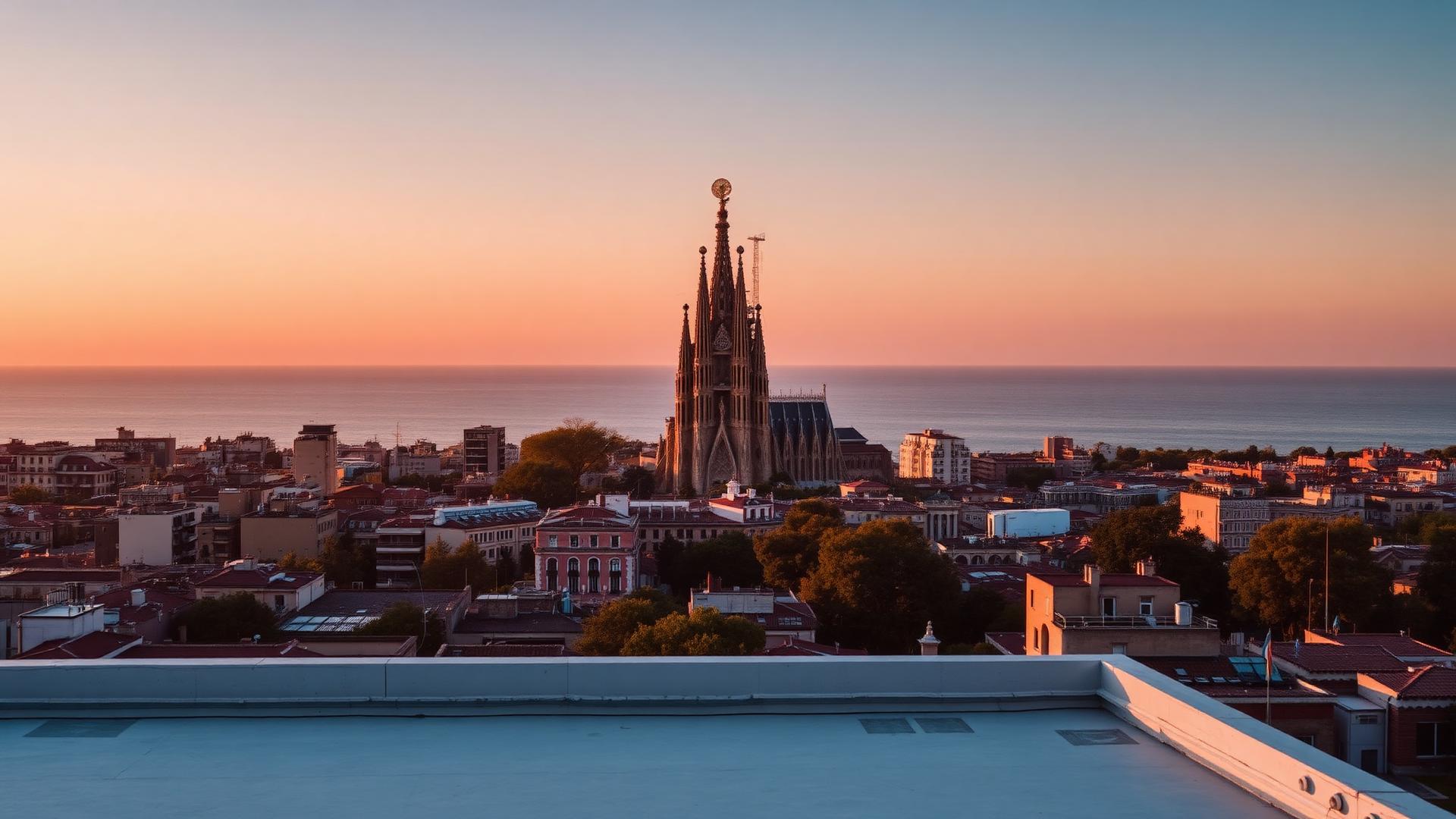
The Sagrada Família is the one sight you must book ahead, often days ahead in summer. Go for a late-afternoon slot when the stained glass floods the nave with coloured light; it's one of the great interiors in Europe. From there, the modernisme trail continues along Passeig de Gràcia past Casa Batlló and Casa Milà (La Pedrera), whose rooftop chimneys are worth the entry.
Park Güell needs a timed ticket for the mosaic zone; go early and pair it with the free Bunkers del Carmel viewpoint nearby for the best panorama in the city at sunset. The Palau de la Música Catalana, a riot of stained glass and ceramics, is the most underrated building of the lot.
The old city and its barrios
The Gothic Quarter is a labyrinth of Roman walls, hidden squares and the cathedral; wander without a plan and you'll do it right. Cross Via Laietana into El Born for the Picasso Museum, the Santa Maria del Mar basilica and the city's densest strip of cocktail bars and indie shops. La Rambla is worth one walk, ideally early, but eat elsewhere.
For local texture, head to Gràcia, a former village with lively plaças and a village-festival feel, or Barceloneta and Poble-sec for seafood and vermouth bodegas. Each barrio has its own market; La Boqueria is the famous one, but Santa Caterina and Sant Antoni are where locals actually shop.
Tapas, vermouth and the night
Eating here runs late: lunch at 14:00, dinner rarely before 21:00. Build an evening around a tapeo, bar-hopping for small plates: Cal Pep and Quimet & Quimet for classics, the Poble-sec pinchos bars on Carrer de Blai for budget grazing. A vermouth hour (la hora del vermut) before lunch, with olives and tinned seafood, is the most Barcelona ritual of all.
Nightlife scores a 9 for a reason: cocktail dens in El Born and the Gothic Quarter, clubs along the Port Olímpic seafront, and Raval's anything-goes bars. Things peak between 01:00 and 04:00; pace yourself accordingly.
Beach and Montjuïc
The city beaches, Barceloneta, Poblenou, are proper urban beaches rather than Caribbean idylls, but the combination of a museum morning and a swim afternoon is the city's secret weapon. For clearer water, the train south to Sitges (40 minutes) or the Costa Brava coves around Tossa de Mar make easy day trips.
Montjuïc hill bundles the Miró Foundation, the Olympic stadium, castle views and the Magic Fountain into one green escape; take the cable car up from the port for the arrival alone. Tibidabo, with its vintage amusement park and church-on-a-hill skyline, is the other classic viewpoint.
Practicalities
Fly into El Prat (BCN), 25 minutes from the centre by Aerobús or metro. The metro plus walking covers nearly everything; a T-casual 10-ride ticket is the best value. Barcelona is mid-range for Western Europe: about €120-200/day for two with a mid-range hotel, eased by lunch menús del día and cheap cava.
April to June and September to October are ideal, warm enough for the beach, cool enough for sightseeing. July and August are hot, humid and packed. Two honest warnings: book the Sagrada Família and Park Güell well ahead, and watch for pickpockets on La Rambla, the metro and around the Sagrada Família, one of Europe's worst spots for it. Keep bags zipped and phones off café table edges.
Want to find more places like Barcelona?
Answer a few questions and get matched to 170+ destinations worldwide.
Find my matches