Budapest
Budapest is two cities the Danube glued together: hilly, imperial Buda and flat, grand, slightly battered Pest. It's the cheapest of the great European capitals and the only one where the main activity is sitting in hot water.
January–June and August–October are the two windows that work best for Budapest: hot temperatures without the peak humidity; prime hiking and outdoor season with the trails and passes open. The months in between are skipped; they're the peak-season extremes for Budapest.
The baths, and which one to pick
Széchenyi in the City Park is the postcard: enormous yellow neo-baroque courtyard, three outdoor pools, steam rising in winter, old men playing chess. Busiest, and worth it once.
Gellért is the beautiful one. Art Nouveau tiling, stained glass, a calmer crowd. Rudas is the 16th-century Ottoman bath with an octagonal domed pool and a rooftop tub overlooking the Danube (book the night sessions). Lukács is where locals actually go, and the cheapest.
Practical: bring a towel and flip-flops or pay to rent, take a cabin rather than a locker if you want somewhere to change in peace, and go early morning or after 7pm to dodge the crush. Most baths are mixed and swimsuits are required.
Buda: castle hill and the views
Cross the Chain Bridge and take the funicular or walk up to Castle Hill for the Matthias Church, the Fisherman's Bastion turrets and the Buda Castle complex (the Hungarian National Gallery inside is good). Come at sunrise if you want the Bastion without crowds: it's free before the ticketed upper terrace opens.
Gellért Hill and the Citadella give the best single view of the city; it's a 30-minute climb. Margaret Island in the middle of the river is the local running-and-picnic spot, with a musical fountain at the southern tip.
Pest: grandeur, history and ruin bars
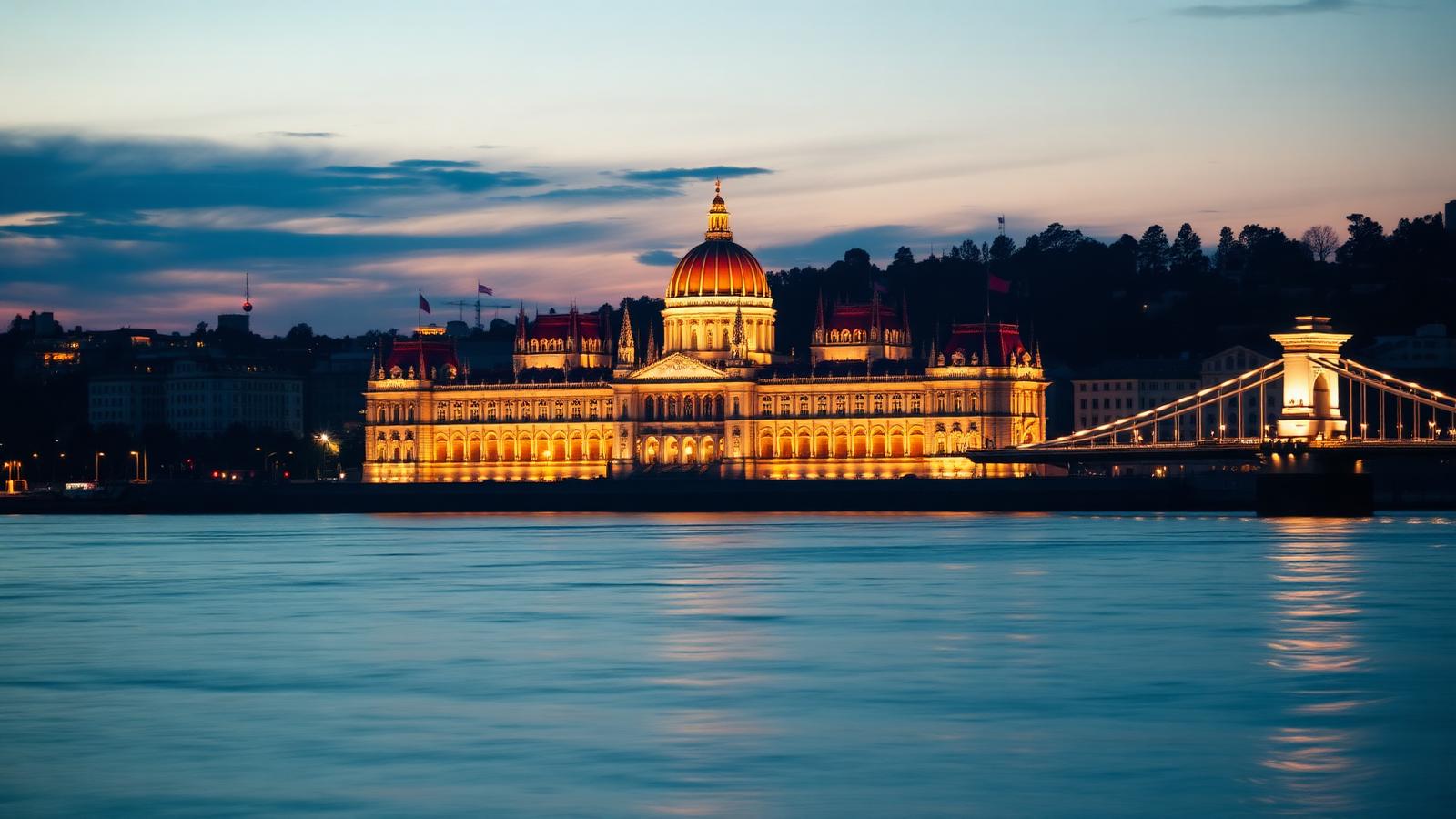
The Parliament (book the guided tour online, it sells out), St Stephen's Basilica, and the shopping-and-café spine of Andrássy út up to Heroes' Square cover the imperial city. The Opera House is worth a tour or a cheap ticket.
The Jewish Quarter (District VII) holds the vast Dohány Street Synagogue and the Holocaust memorial garden by day, and the ruin bars by night. Szimpla Kert being the original, a bombed-out apartment block filled with junkyard furniture. The House of Terror and the Hospital in the Rock cover the 20th century honestly and are worth the discomfort.
Eating and drinking
Hungarian food is heavier and better than its reputation: gulyás (a soup, not a stew), halászlé fish soup, chicken paprikás, lángos from a market stall, and rétes strudel. The Great Market Hall is touristy at ground level and cheap upstairs.
The wine deserves attention: dry whites from Somló and Tokaj, big reds from Villány, and sweet Tokaji Aszú. Wine bars in District VII and V pour by the glass. Craft beer and the herbal spirit Unicum fill the rest.
Practicalities and timing
April–June and September–October are the sweet spot; July and August are hot and busy; December brings genuinely good Christmas markets and steaming outdoor baths, which is a strong argument for winter.
The metro (including line 1, the oldest on the continent) plus trams 4/6 and 2 cover everything; buy a 24/72-hour travel card. Currency is the forint, not the euro: pay in forint when card machines offer a choice. Only use marked taxis or Bolt.
Budapest pairs naturally with Vienna and Salzburg, the train to Vienna takes 2.5 hours, or with Prague for a two-capital week.
Want to find more places like Budapest?
Answer a few questions and get matched to 170+ destinations worldwide.
Find my matches